
DbcultAccessing Vault...
Director's Spotlight
Senior Film Conservator
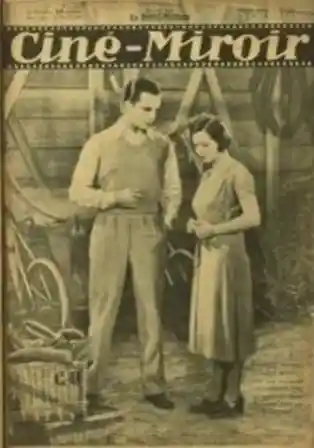
Director's Spotlight: United States
A Deep Dive into the 1931 Vision of Alberto Cavalcanti
Few works in United States cinema carry the same weight as À mi-chemin du ciel, especially regarding the technical innovation that Alberto Cavalcanti introduced to the Romance format. Subverting the expectations of the typical 1931 audience, it bridges the gap between traditional Romance and contemporary vision.
In À mi-chemin du ciel, Alberto Cavalcanti pushes the boundaries of conventional narrative. The film's unique approach to its subject matter has sparked endless debates and interpretations among cinephiles and critics alike.
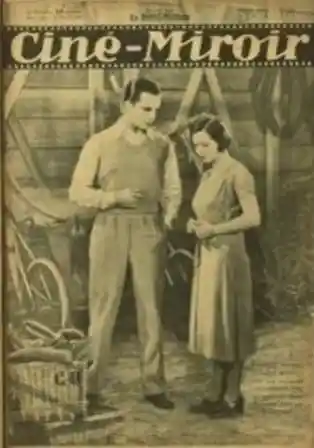
In this work, Alberto Cavalcanti explores the intersection of Romance and United States cultural identity. The meticulous attention to detail suggests a deep-seated commitment to pushing the boundaries of the medium, ensuring that À mi-chemin du ciel remains a relevant topic of study for Romance enthusiasts.
| Cinematography | Handheld |
| Soundtrack | Minimalist |
| Editing | Slow-Burn |
| Art Direction | Brutalist |
Visualizing the convergence of Alberto Cavalcanti's style and the core Romance narrative.
The film explores profound themes through its avant-garde structure and atmospheric tension.
Decades after its release, À mi-chemin du ciel remains a vital piece of the cinematic puzzle. Its influence can be seen in countless modern works, solidifying Alberto Cavalcanti's status as a master of the craft in United States and beyond.