
DbcultAccessing Vault...
Director's Spotlight
Senior Film Conservator
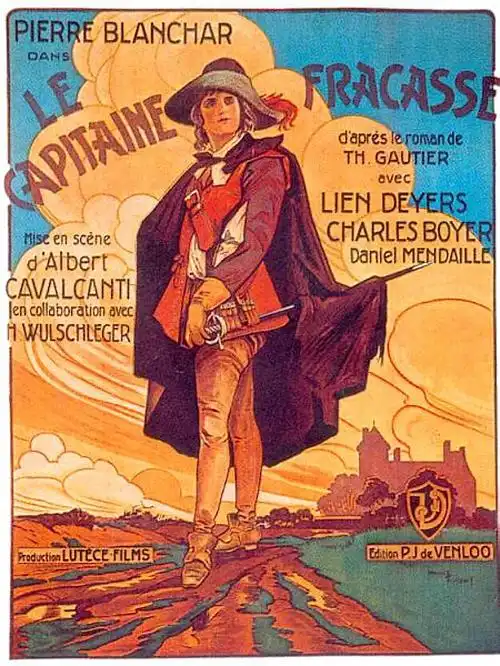
Director's Spotlight: France
A Deep Dive into the 1929 Vision of Alberto Cavalcanti
The brilliance of Le capitaine Fracasse (1929) is inseparable from the visionary mind of its creator, Alberto Cavalcanti. Serving as a mirror to the anxieties of a changing world, it persists as a haunting reminder of our own cinematic history.
In Le capitaine Fracasse, Alberto Cavalcanti pushes the boundaries of conventional narrative. The film's unique approach to its subject matter has sparked endless debates and interpretations among cinephiles and critics alike.
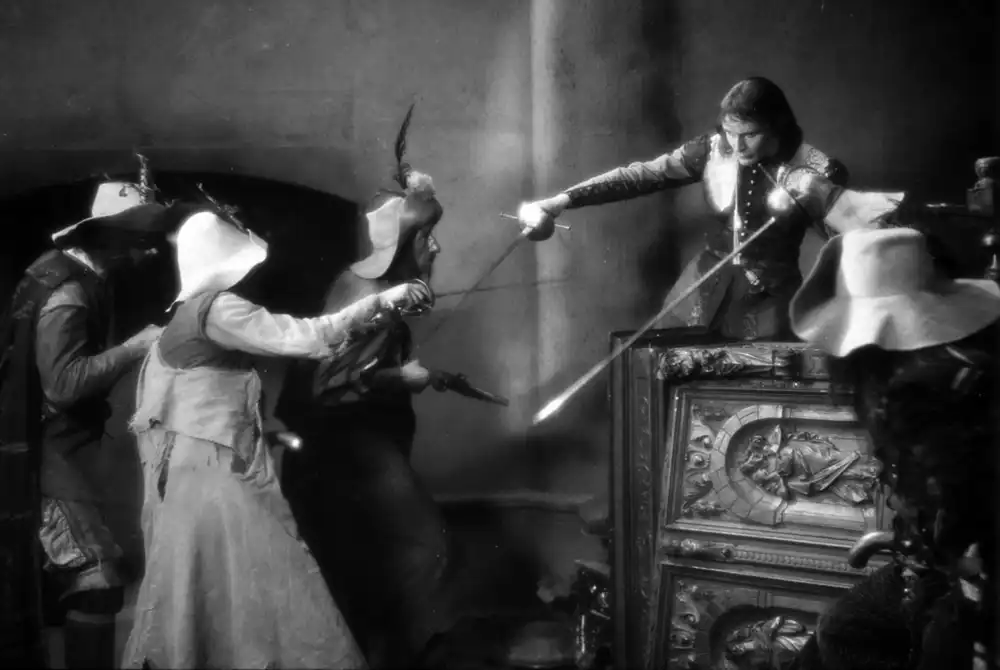
The visual language of Le capitaine Fracasse is defined by its use of shadows and framing, a hallmark of Alberto Cavalcanti's style. By utilizing a 1929-era palette, the film creates an immersive experience that perfectly complements its Drama themes.
| Cinematography | Noir-Inspired |
| Soundtrack | Minimalist |
| Editing | Disjunctive |
| Art Direction | Baroque |
Visualizing the convergence of Alberto Cavalcanti's style and the core Drama narrative.
Capt. Fracasse, a down-on-his-luck nobleman, gives shelter at his estate one night to a troupe of traveling actors. He falls in love with Isabelle, an actress with the group. The next day, as they prepare to leave, he decides to join them, seeing as how his future looks none too promising where he is, but mainly to be with Isabelle. Along the way, however, Isabelle is kidnapped by a villainous nobleman who wants her for himself. Capt. Fracasse must ride to the rescue of his beloved.
Decades after its release, Le capitaine Fracasse remains a vital piece of the cinematic puzzle. Its influence can be seen in countless modern works, solidifying Alberto Cavalcanti's status as a master of the craft in France and beyond.