
DbcultAccessing Vault...
Film History
Archivist John
Senior Editor
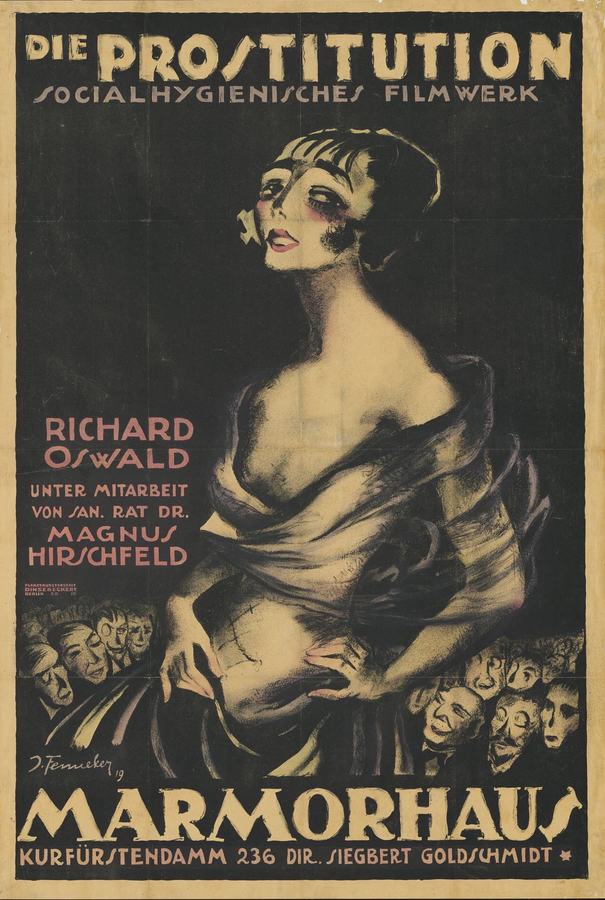
When we talk about the origins of cult cinema, we often drift towards the midnight movie circuit of the 70s, the transgressive shock of Pre-Code Hollywood, or the visceral rebellion of Italian exploitation. But I argue that a far earlier, far more academically respectable, yet equally potent strain of cinematic deviance lies buried in the earnest, often didactic 'Sittenfilme' – morality films – of Weimar Germany. These films, churned out in the hundreds between the 1910s and late 1920s, were ostensibly designed to caution against societal ills: prostitution, drug addiction, venereal disease, urban depravity. They were cinematic sermons, often produced with public health funding or civic backing, aiming to scare audiences straight. Yet, in their desperate attempts to illustrate moral decay, they inadvertently created a visual language of human degradation so stark, so unflinching, and at times so aesthetically compelling, that they became proto-cult objects. They didn't just show vice; they rendered its texture, its smell, its psychological weight, creating a deeply unsettling allure that transcended their preachy intentions. This, for me, is where cult cinema's obsession with the grotesque truly began, not as a celebration, but as an accidental byproduct of horrified fascination.

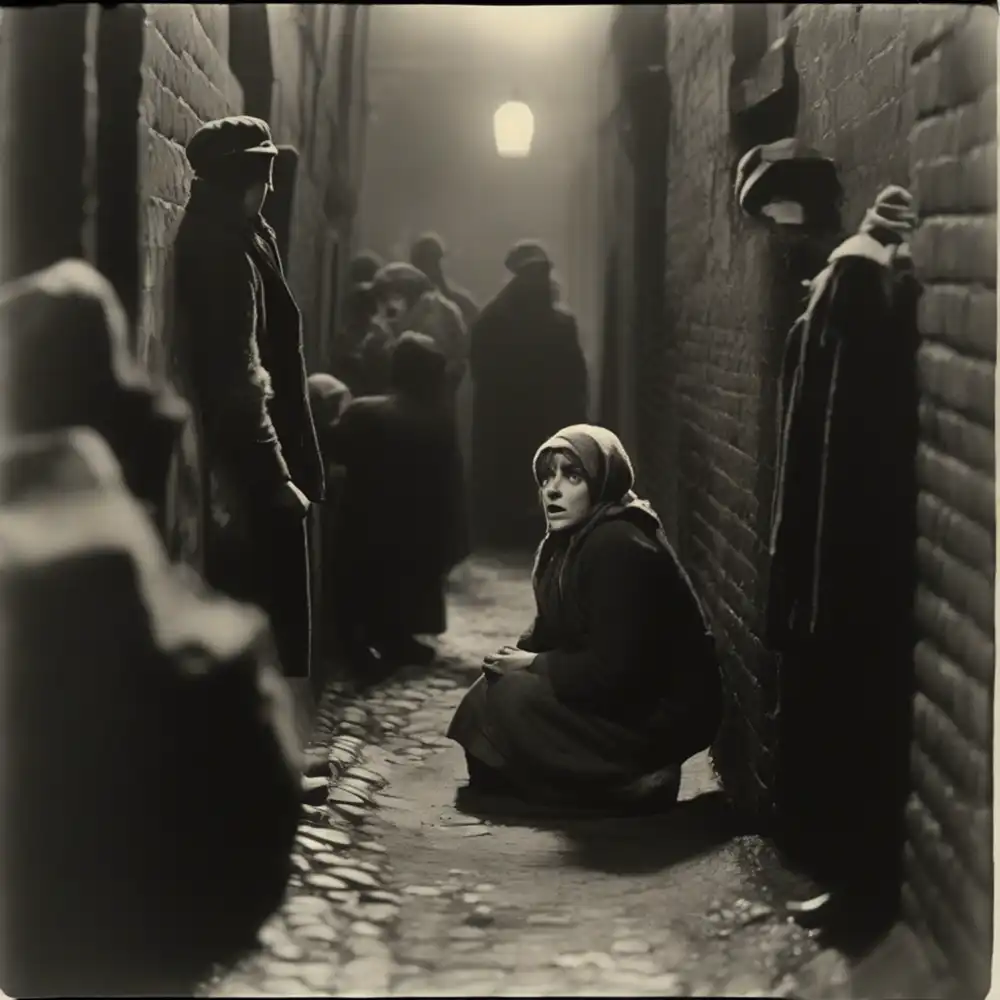
The Weimar Republic, born from the ashes of World War I and plagued by hyperinflation, social unrest, and a dizzying pace of cultural change, was fertile ground for moral panic. Filmmakers, often with the best intentions, sought to confront these anxieties head-on. Take something like Richard Oswald's Anders als die Andern (1919), one of the earliest sympathetic portrayals of homosexuality, which nonetheless concludes with a suicide and a plea for legal reform. Its progressive message is wrapped in the very societal condemnation it seeks to critique, illustrating the tightrope these films walked. Or consider the torrent of films about prostitution, often featuring actresses like Asta Nielsen or Fern Andra, who would embody the 'fallen woman' with a raw vulnerability that frequently overshadowed the film's moralizing framework. The camera, in its relentless pursuit of 'truth,' often lingered on the very squalor it meant to condemn, finding an aesthetic in the crumbling tenements, the shadowy alleyways, and the haggard faces of the damned. This wasn't merely documentary; it was an active construction of an alluringly repulsive world. Dalagang bukid (1919), while a Filipino melodrama, shares this global contemporary thread of social realism, but the German films often pushed the visual and psychological envelope further into the abyss.
The visual style of many German Sittenfilme, while distinct from the overt stylization of Expressionism, still borrowed heavily from its mood and technical innovations. Directors like G.W. Pabst in Die freudlose Gasse (The Joyless Street, 1925) – an Austrian production but quintessential Weimar cinema in spirit – didn't just show poverty; he made you feel its suffocating grip. The cramped apartments, the long queues for horsemeat, the desperate dance halls where women sold themselves for a meal: these weren't merely backdrops but active participants in the characters' psychological erosion. Pabst's camera moved with a fluidity that was radical for its time, often tracking through crowded, claustrophobic spaces, emphasizing the lack of escape. The interplay of light and shadow, not as stark as The Cabinet of Dr. Caligari (1920) but equally effective, carved out figures from the gloom, highlighting their desperation. The famous opening shot of The Joyless Street, a slow pan revealing a seemingly endless line of impoverished people, is less a warning and more a bleak, unavoidable statement of fact. It's a visual argument for society's rot, delivered with an unblinking gaze that has always been the hallmark of true cult provocation, regardless of its original intent.
The physical spaces in these films were characters unto themselves, decaying mirrors of their inhabitants' moral decline. The sets were often designed to feel oppressive, a labyrinth of choices that led only to further degradation. Think of the grimy, labyrinthine streets in Hanneles Himmelfahrt (1922), where a young girl's despair is amplified by the bleakness of her surroundings. Even a film like 33.333 (1924), a drama about a shoemaker and a lottery ticket, uses its urban setting to reflect the pressures and moral compromises of everyday life. The cinematography often embraced a raw, naturalistic lighting that, in its starkness, could be more unsettling than any stylized horror. It stripped away glamour, exposing the harsh realities of poverty and vice with an almost clinical detachment. This approach, while aiming for realism, inadvertently created an aesthetic of urban squalor that became deeply ingrained in the subconscious, fostering a fascination with the abject that cult cinema would later exploit with abandon.
No discussion of Sittenfilme is complete without acknowledging the actresses who became their tormented muses. Asta Nielsen, in particular, was a revelation. Her gaunt, expressive face, her intense eyes, and her ability to convey both fragility and a defiant resilience made her characters—often women pushed to the brink by societal hypocrisy—unforgettable. In Die freudlose Gasse, playing Maria, her descent into prostitution is depicted with a heartbreaking realism that makes the film's moral message almost irrelevant. We are not judging her; we are witnessing her slow, inevitable destruction. Her performance is so visceral, so unvarnished, that it transcends mere didacticism and taps into something primal. We are drawn to her suffering not to condemn it, but to understand it, to feel its raw edges. This empathy for the outcast, for the individual struggling against an oppressive system, is a core component of cult appeal. The filmmakers may have intended to highlight the perils of vice, but Nielsen's portrayal made the victim, not the vice, the magnetic center. Even earlier, in films like My Madonna (1915), she imbued her 'demimonde' characters with a complexity that belied simplistic moralizing.
The fatal flaw of the Sittenfilme, from a purely moralistic standpoint, was their commitment to showing rather than simply telling. By visually immersing the audience in the grim realities of urban vice, they inadvertently desensitized some viewers and, more importantly, fostered an almost voyeuristic fascination. The very acts they warned against—drug use, sexual transgression, petty crime—were often presented with a detail and psychological depth that made them captivating, despite the tragic consequences depicted. This is a debatable opinion, but I contend that these films, in their earnest attempts to be moral compasses, were more effective at documenting and aestheticizing societal rot than they were at preventing it. The raw, unfiltered portrayal of urban squalor and psychological torment in these films is arguably more impactful and disturbing than many later, more explicit exploitation films, precisely because of their 'high art' aspirations and the pervasive sense of a society teetering on the brink. They offered a window into a forbidden world, framed by societal anxieties but ultimately left open for interpretation. A film like Inge Larsen (1923), while a romance, is steeped in the social pressures and moral judgments of its era, painting a portrait of love tested by convention.
The Sittenfilme, often dismissed as mere historical curiosities or naive attempts at social engineering, deserve a deeper look from cult cinema aficionados. They established a visual grammar for depicting societal decay, psychological torment, and the allure of the forbidden that resonates through decades of transgressive filmmaking. From the gritty urban realism of American noir to the nihilistic visions of European art house, the aesthetic of rot perfected in Weimar Germany's morality plays finds its echoes. The unflinching gaze on human suffering, the fascination with the outcast, the stark depiction of environments that corrupt the soul—these are not just themes but foundational visual strategies that found their accidental genesis in films meant to educate, not titillate. They teach us that sometimes, the most potent forms of cult cinema emerge not from deliberate provocation, but from an earnest, yet flawed, attempt to confront the darkness within and around us, leaving us with images that linger long after the moral has faded. Their influence, often subtle and uncredited, is a significant, if overlooked, stain on the celluloid history of the grotesque.