
DbcultAccessing Vault...
Film History
Senior Film Conservator
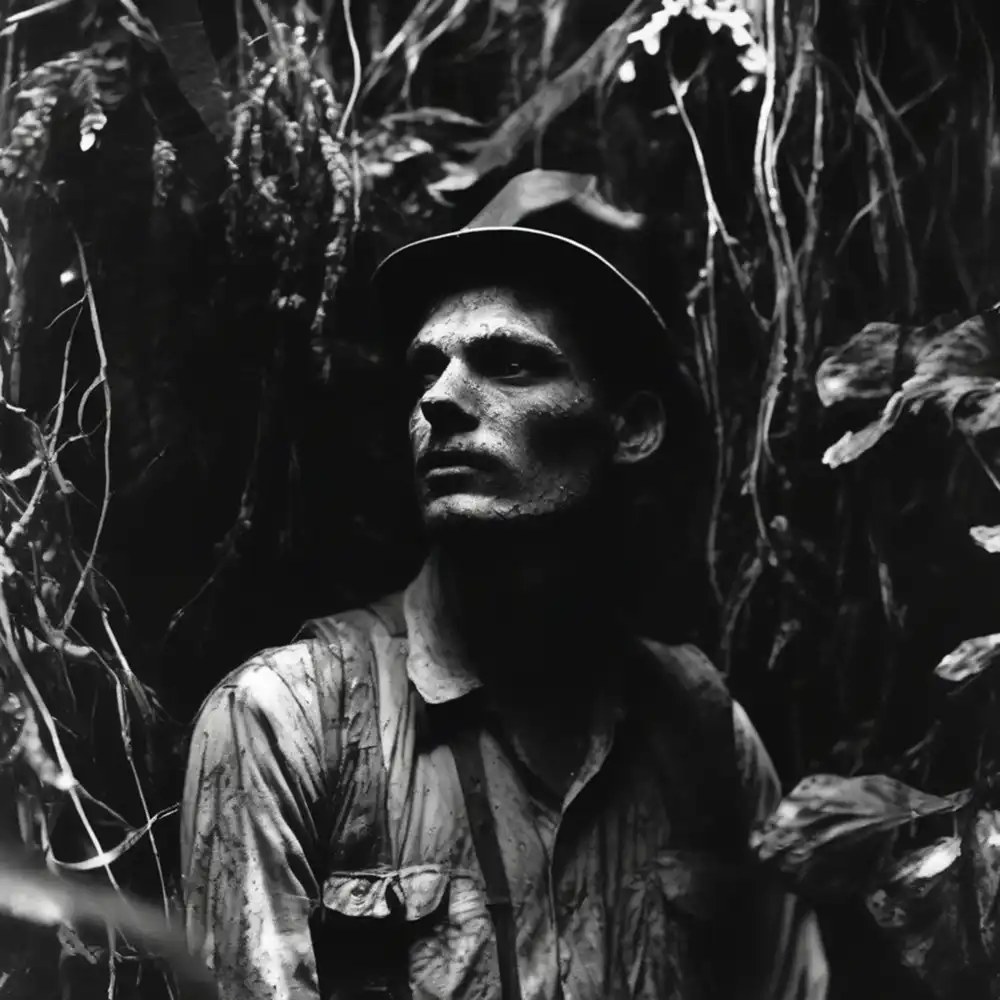
We are often told that cult cinema began in the midnight madness of the 1970s, birthed from the sweat of the Elgin Theater and the chemical haze of the grindhouse. This is a convenient lie. If you want to find the real source of our collective obsession with the social pariah, the broken hero, and the geography of absolute isolation, you have to look much further back. You have to look at the 1920s—a decade where the 'ragged edge' of the world wasn't just a metaphor, but a cinematic reality. These films weren't just entertainment; they were transmissions from the perimeter of human experience, featuring characters who didn't just fail to fit in—they actively chose the rot of the wilderness over the safety of the parlor room.
The cult protagonist is almost always defined by a lack of faith—not necessarily in a god, but in the social contract. Look at A Woman's Faith (1925). When Donovan Steele returns to Quebec only to find his fiancée in another man's arms, the film doesn't offer a polite melodrama of reconciliation. Instead, it offers a total psychic collapse. Steele flees to the wilderness, becoming a nameless entity. This isn't a man finding himself; it is a man erasing himself. The film’s depiction of the Quebec backwoods serves as a precursor to the bleak, survivalist landscapes we now associate with the most nihilistic cult thrillers.
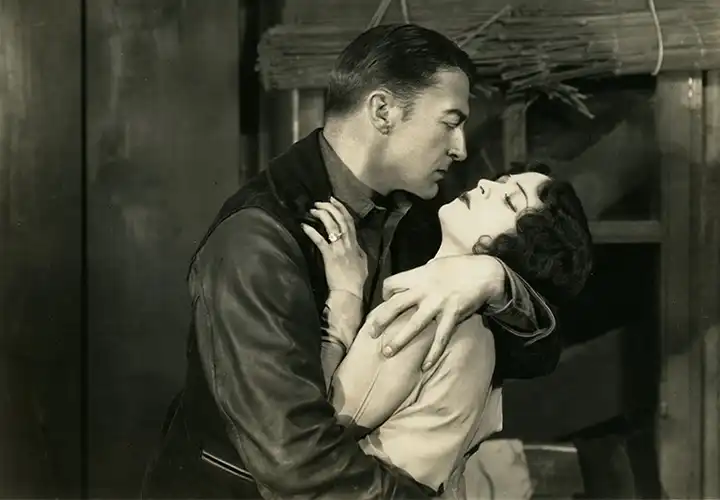
Similarly, A Trick of Fate (1919) presents us with Mary Lee, a Southern aristocrat who vows to repay a debt to a predatory banker. The move to New York isn't a 'city girl' fantasy; it’s a descent into a cold, mechanical hell. These early films understood something modern blockbusters have forgotten: the stakes are highest when the protagonist has already lost their soul. We don't watch these films to see people succeed; we watch them to see how they endure the weight of their own displacement.
The 1920s 'outcast' film proved that the most interesting place on earth is the exact moment someone stops caring about what the neighbors think.
If the wilderness offered a physical exile, the 'salon drama' offered a psychological one. The Russian film Serdtse dyavola (1918)—or 'The Devil's Heart'—is a grim, decadent piece of work that makes most modern psychological thrillers look like children's cartoons. It tells the story of a 'devil man' who systematically destroys his relatives, told through the eyes of his wife in an insane asylum. This is a nasty, claustrophobic piece of cinema. It rejects the light and focuses entirely on the rot within the high-society walls.
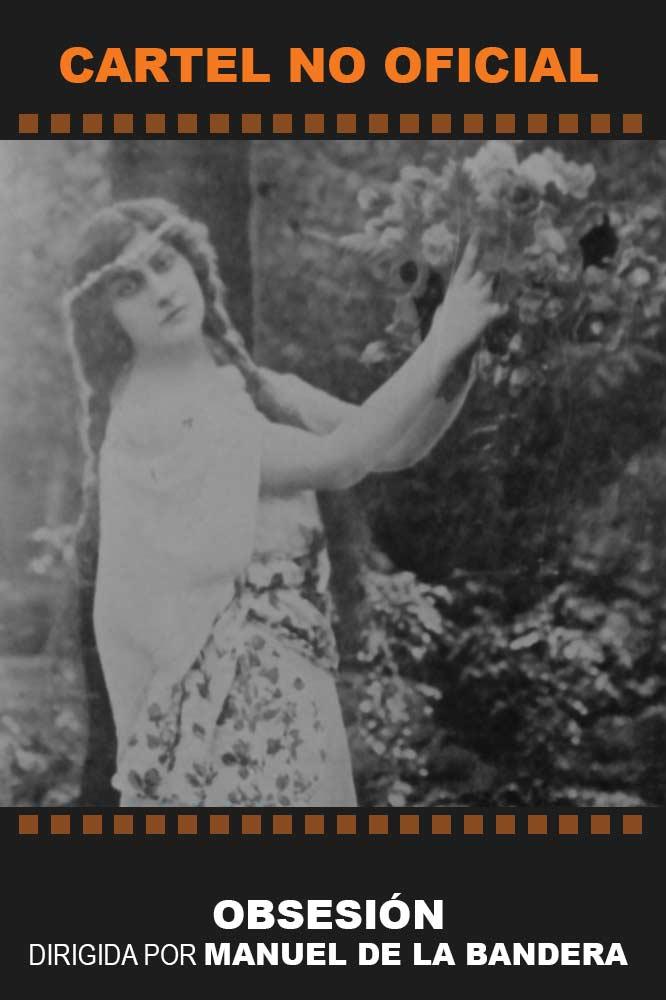
Here is my first debatable opinion: Serdtse dyavola is more effective at portraying genuine sociopathy than any film in the Hannibal Lecter franchise. Why? Because it lacks the polish of a 'villain.' The 'devil man' isn't a mastermind; he is a force of domestic entropy. He represents the fear that the person sitting across from you at the dinner table isn't just a stranger, but a predator. This theme of 'the rot at home' is the same engine that drives cult classics like The Heart Beneath (1921), where a city interloper leads a rancher's wife astray, turning the domestic sanctuary into a site of potential violence and family dissolution. The threat isn't external; it is an infection brought into the house by those who should know better.
Cult cinema loves an outlaw, but rarely does it present one as honestly as the early Australian 'bushranger' films. When the Kellys Were Out (1923) is a fascinating, fragmented artifact. Harry Southwell’s direction doesn't deify Ned Kelly in the way modern biopics might. Instead, it presents a man caught in the machinery of a colonial system that has no place for him. The surviving fragments of the film show a grit and a dirtiness that feels alien to the 'clean' Westerns being made in Hollywood at the time.
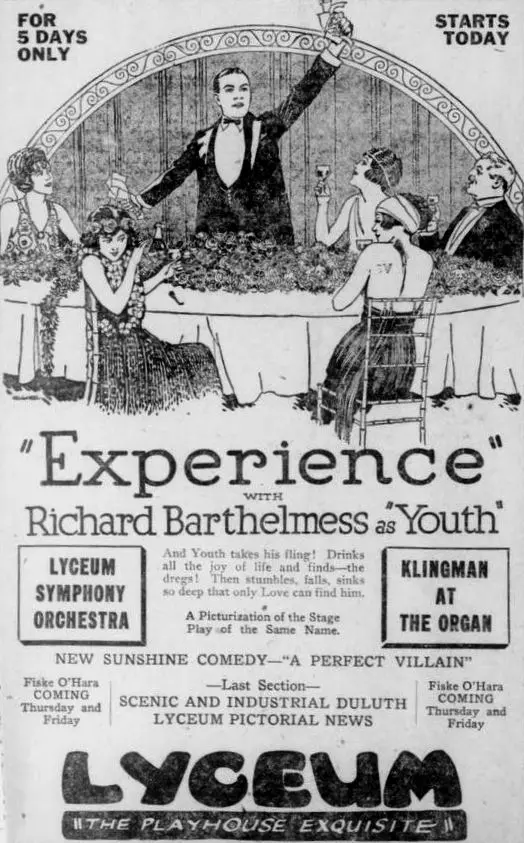
This leads to my second stance: The Good Bad-Man (1916) and When the Kellys Were Out are actually anarchist manifestos disguised as action films. They suggest that the law is not a moral compass, but a tool for the powerful. In The Good Bad-Man, Douglas Fairbanks plays 'Passin' Through,' an outlaw who helps children. It sounds sentimental, but the subtext is sharp: the state has failed these children, and it takes a criminal to provide the care the system refuses to offer. This 'honorable parasite' archetype—the man who lives outside the law to fulfill a higher moral code—is the direct ancestor of every vigilante cult hero from Mad Max to Escape from New York.
There is a specific kind of cult obsession with the 'white man lost in the tropics'—a subgenre that blends colonial anxiety with existential dread. The Ragged Edge (1923) is a prime example. Howard Spurlock, believing he is a thief, flees to China. The film uses the 'exotic' setting not as a backdrop for adventure, but as a site of physical and moral sickness. Spurlock is nursed back to health, but the environment itself feels heavy, oppressive, and indifferent to his survival. This isn't the romanticized 'East' of tourist brochures; it is a place where a man goes to disappear and wait for the end.
We see a different version of this in The Willow Tree (1920). Here, the 'outcast' is the Englishman who departs for WWI, leaving a Japanese girl to wait four years. The film’s focus on her endurance in a space that has become a vacuum of time is haunting. It mirrors the pacing of slow-burn cult horror, where the horror isn't a monster, but the sheer, agonizing passage of time in a world that has forgotten you. These films understood that being 'lost' isn't just about geography; it's about being out of sync with the progress of the rest of the world.
Even the documentary format of the era, such as Amazonas, Maior Rio do Mundo (1918), feeds into this cult of the unreachable. The footage of the Witoto people isn't just ethnographic; in the context of the era, it represented the absolute edge of the 'known' world. For a 1920s audience, seeing the Amazon wasn't like watching a travel vlog; it was like seeing a transmission from another planet. The cult mindset thrives on this sense of the 'unreachable' and the 'forbidden,' a feeling that these early explorers and filmmakers captured with a raw, unedited intensity that modern digital cinema simply cannot replicate.
Finally, we must address the weirdest fringe of silent cinema: the birth of the machine cult. The Dresden Doll (1928) might be a short animation, but its implications are terrifying. Ko-Ko the Clown follows a telephone wire into a projector and draws a mechanical dancing girl. He falls in love with his creation, but the film emphasizes the artifice, the gears, and the cold reality of the projection room. This is proto-cyberpunk. It is a story about the desire to find a soul in the machine, only to be confronted by the flickering light of the inkwell.
This obsession with the 'unnatural' extends to the social comedies of the era that flirted with chaos, like New Ralgia (1924), where a battle for a local belle ends with a village store being blown up. There is a streak of casual destruction in these films that feels deeply modern. It’s a rejection of the 'happy ending' in favor of a explosive, chaotic finale. The characters in New Ralgia or Anderssonskans Kalle (1922)—the 'horror of the neighborhood'—are not protagonists we are meant to emulate. They are the 'monsters' who disrupt the social order, and in that disruption, we find a strange, cathartic joy.
We need to stop treating silent cinema like a museum piece and start treating it like a crime scene. These films are the evidence of a world struggling with the same anxieties we face today: the fear of being replaced by machines, the terror of domestic violence, and the desperate urge to escape a system that doesn't care if we live or die. The outcasts of the 1920s didn't just 'pave the way' for cult cinema; they defined its soul. They taught us that the most powerful thing a person can do is to step off the map and refuse to come back.