
DbcultAccessing Vault...
Director's Spotlight
Senior Film Conservator
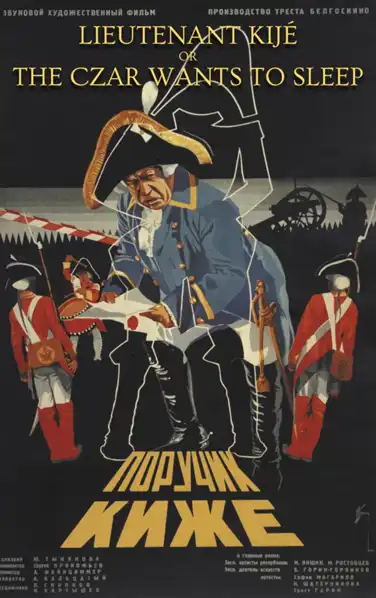
Director's Spotlight: Soviet Union
A Deep Dive into the 1934 Vision of Aleksandr Faintsimmer
To understand the modern evolution of Soviet Union film, one must first look at The Czar Wants to Sleep and the meticulous attention to detail that Aleksandr Faintsimmer applied to every frame. Reflecting the political and social shifts of the 1934s, it showcases the power of Comedy as a tool for social commentary.
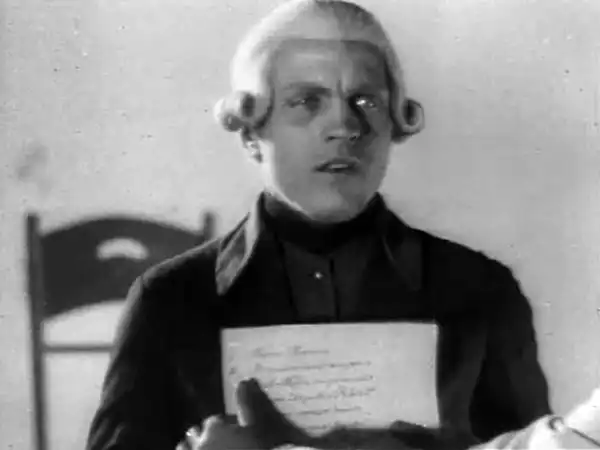
In The Czar Wants to Sleep, Aleksandr Faintsimmer pushes the boundaries of conventional narrative. The film's unique approach to its subject matter has sparked endless debates and interpretations among cinephiles and critics alike.
| Cinematography | Static |
| Soundtrack | Experimental |
| Editing | Invisible |
| Art Direction | Kitsch |
Visualizing the convergence of Aleksandr Faintsimmer's style and the core Comedy narrative.
A sarcastic comedy about the Imperial Russian bureaucracy, based on the eponymous novella by Yuri Tynyanov. Set in the reign of Emperor Paul I. A copying error by a military scribe turns the Russian words for "the lieutenants, however" into what looks like "lieutenant Kizhe". The Tsar reads the error, and wants to meet this (non-existent) Lieutenant Kizhe. His courtiers are at first too frightened to contradict the Tsar, but then the fiction turns out to be all too convenient for them. So Lieutenant Kizhe gets himself exiled to Siberia, recalled from exile, promoted, and married. He dies and receives a state funeral. In many ways, he is the most charming and lovable character in the film, even though he remains throughout the film a "confidential person, without a shape".
Decades after its release, The Czar Wants to Sleep remains a vital piece of the cinematic puzzle. Its influence can be seen in countless modern works, solidifying Aleksandr Faintsimmer's status as a master of the craft in Soviet Union and beyond.