
DbcultAccessing Vault...
Director's Spotlight
Senior Film Conservator
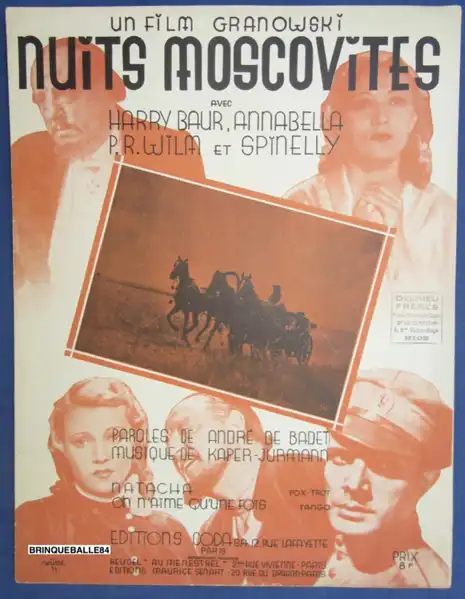
Director's Spotlight: France
A Deep Dive into the 1934 Vision of Alexis Granowsky
The enduring fascination with Moscow Nights is a testament to the artistic risks taken by Alexis Granowsky that eventually paid off. Challenging the viewer to find meaning in the Drama shadows, it reminds us of the fragility and beauty of the 1934s.
In Moscow Nights, Alexis Granowsky pushes the boundaries of conventional narrative. The film's unique approach to its subject matter has sparked endless debates and interpretations among cinephiles and critics alike.
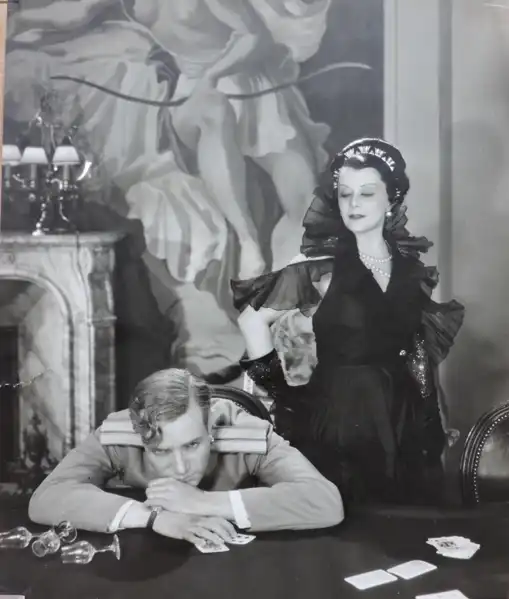
The visual language of Moscow Nights is defined by its use of shadows and framing, a hallmark of Alexis Granowsky's style. By utilizing a 1934-era palette, the film creates an immersive experience that perfectly complements its Drama themes.
| Cinematography | Handheld |
| Soundtrack | Diegetic |
| Editing | Elliptical |
| Art Direction | Expressionist |
Visualizing the convergence of Alexis Granowsky's style and the core Drama narrative.
During the First World War, the Russian officer Captain Ivan Ignatoff falls in love with his nurse, Natasha Kovrin. But she is subject to an upcoming marriage of family convenience to Brioukow, a wealthy industrialist of peasant stock. Brioukow is unjustifiably jealous, since Natasha has not betrayed him. He forces Ignatoff into his debt as a means of humiliating him. When Ignatoff's new friend, Madame Sabline, offers to pay his debt, preventing his ruin, Ignatoff comes quickly to realize that Madame Sabline has an ulterior motive, one that could prove dangerous to more lives than just Ignatoff's.
Decades after its release, Moscow Nights remains a vital piece of the cinematic puzzle. Its influence can be seen in countless modern works, solidifying Alexis Granowsky's status as a master of the craft in France and beyond.