
DbcultAccessing Vault...
Director's Spotlight
Senior Film Conservator
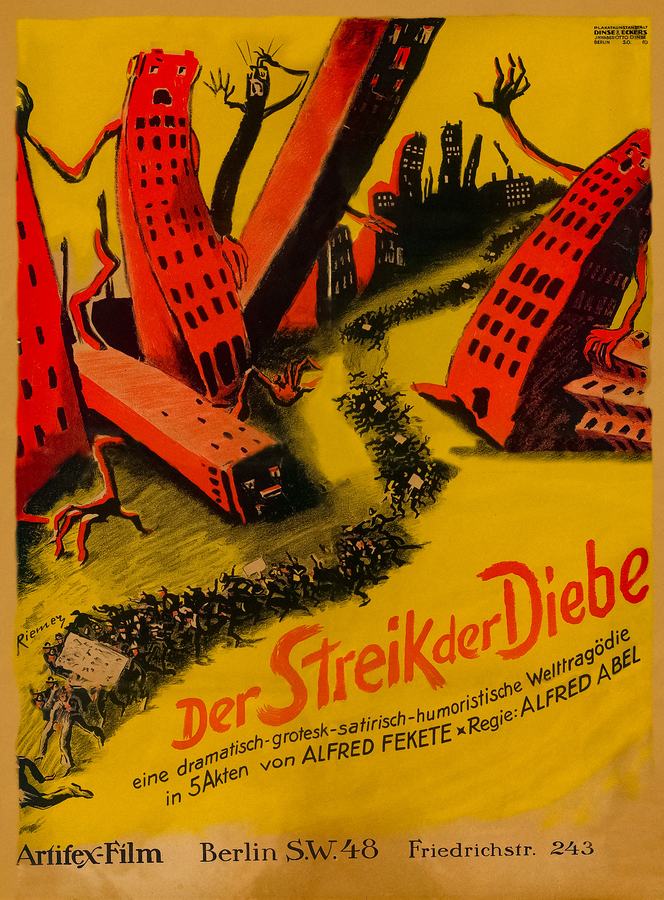
Director's Spotlight: Germany
A Deep Dive into the 1921 Vision of Alfred Abel
As we revisit the 1921 masterpiece Der Streik der Diebe, we are struck by the atmospheric immersion that Alfred Abel achieves throughout Der Streik der Diebe. Exploring the nuances of the human condition with cult flair, it solidifies Alfred Abel's reputation as a master of the craft.
In Der Streik der Diebe, Alfred Abel pushes the boundaries of conventional narrative. The film's unique approach to its subject matter has sparked endless debates and interpretations among cinephiles and critics alike.
While deeply rooted in Germany, Der Streik der Diebe has achieved a global reach, influencing directors from various backgrounds. Its ability to translate cult tropes into a universal cinematic language is why it remains a cult staple decades after its 1921 release.
| Cinematography | Handheld |
| Soundtrack | Orchestral |
| Editing | Invisible |
| Art Direction | Kitsch |
Visualizing the convergence of Alfred Abel's style and the core cult narrative.
When the president of the "Property Compensation Society" - the organization of thieves - is refused the hand of the prime minister's daughter, the whole guild is outraged and decides to go on strike. The burglars celebrate. Police and judges has nothing more to do. Insurance companies have to lay off their employees. Thousands of people who stood in the service of the crime are lost. A world economic crisis looms.
Decades after its release, Der Streik der Diebe remains a vital piece of the cinematic puzzle. Its influence can be seen in countless modern works, solidifying Alfred Abel's status as a master of the craft in Germany and beyond.