
DbcultAccessing Vault...
Director's Spotlight
Senior Film Conservator
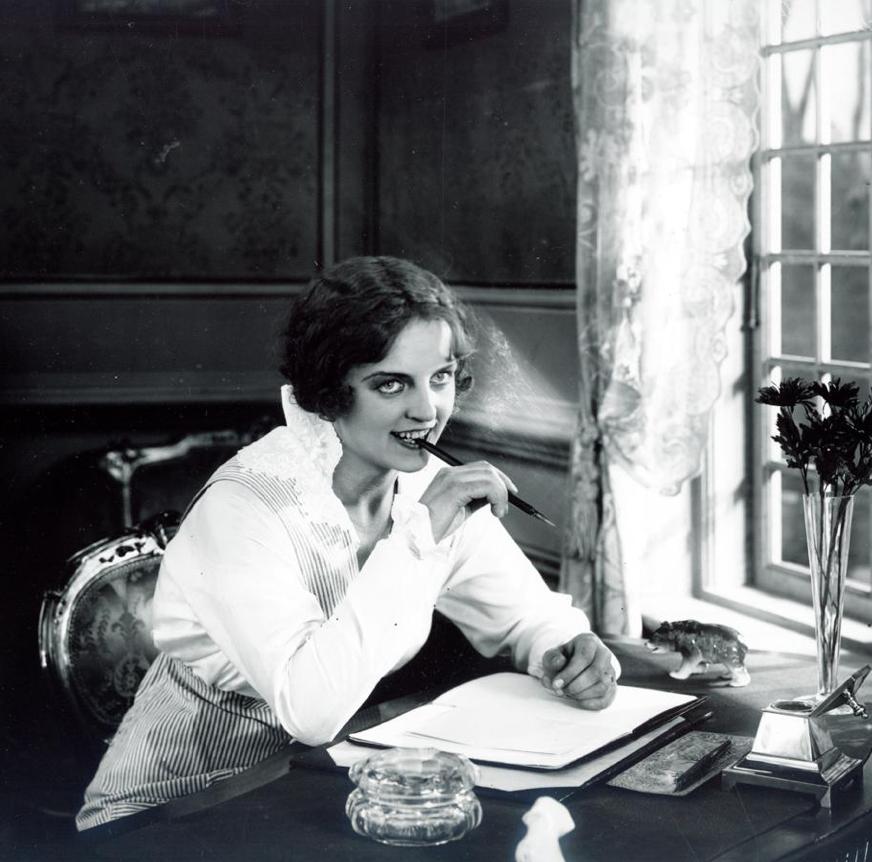
Director's Spotlight: Denmark
A Deep Dive into the 1915 Vision of Alfred Cohn
The brilliance of I de unge Aar (1915) is inseparable from a monumental shift in cult filmmaking spearheaded by Alfred Cohn. Occupying a unique space between cult and pure art, it serves as a blueprint for future generations of cult directors.
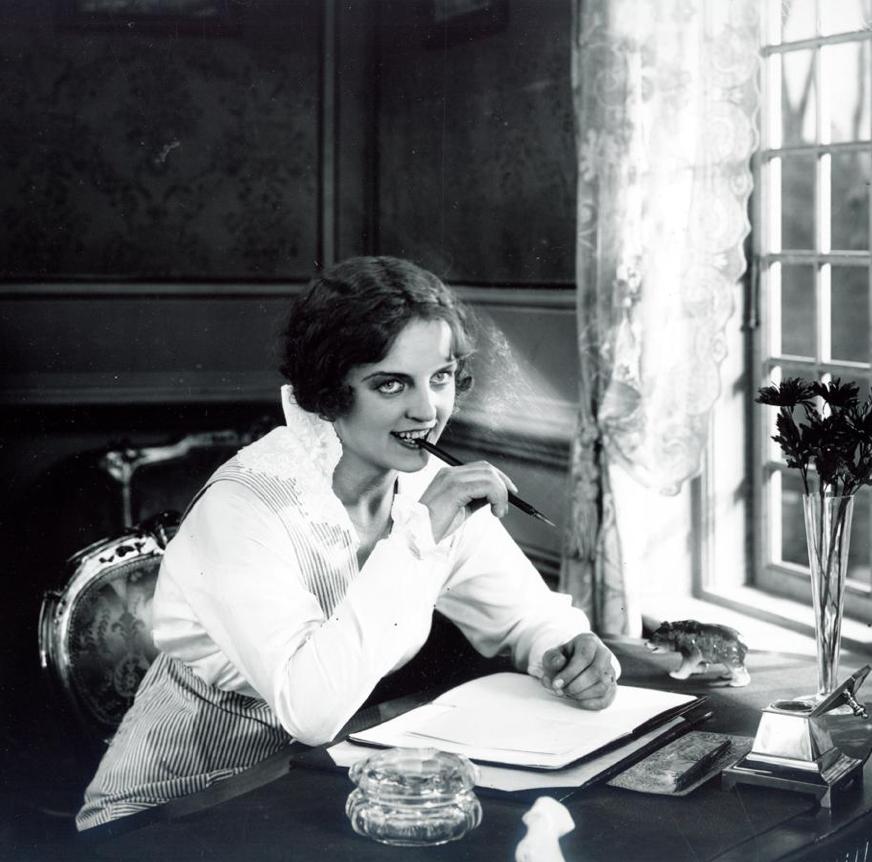
In I de unge Aar, Alfred Cohn pushes the boundaries of conventional narrative. The film's unique approach to its subject matter has sparked endless debates and interpretations among cinephiles and critics alike.
| Cinematography | Noir-Inspired |
| Soundtrack | Orchestral |
| Editing | Slow-Burn |
| Art Direction | Brutalist |
Visualizing the convergence of Alfred Cohn's style and the core cult narrative.
The morally high-ranking principal Claudius is married and has a daughter, Anny. However, he is tormented by a youthful sin, his fatherhood to Elly, born out of wedlock. Claudius decides to seek out Elly. Together they take a walk in the park and when they are about to separate, Claudius kisses his long lost daughter Elly on the forehead. When Anny happens to pass by and see her father with a young woman, she misunderstands the situation.
Decades after its release, I de unge Aar remains a vital piece of the cinematic puzzle. Its influence can be seen in countless modern works, solidifying Alfred Cohn's status as a master of the craft in Denmark and beyond.