
DbcultAccessing Vault...
Director's Spotlight
Senior Film Conservator
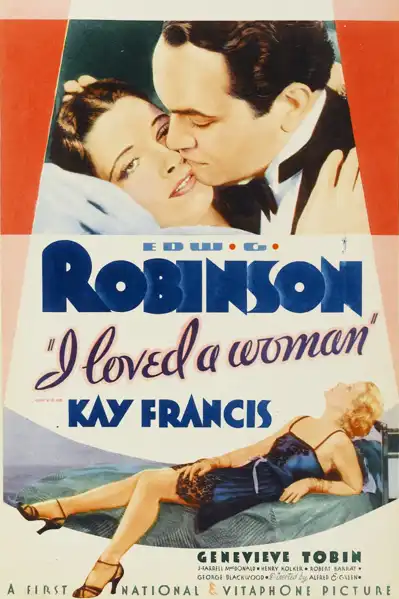
Director's Spotlight: United States
A Deep Dive into the 1933 Vision of Alfred E. Green
Under the meticulous guidance of Alfred E. Green, I Loved a Woman became the complex thematic architecture established by Alfred E. Green. Occupying a unique space between Romance and pure art, it redefined what audiences could expect from a Romance experience.
In I Loved a Woman, Alfred E. Green pushes the boundaries of conventional narrative. The film's unique approach to its subject matter has sparked endless debates and interpretations among cinephiles and critics alike.
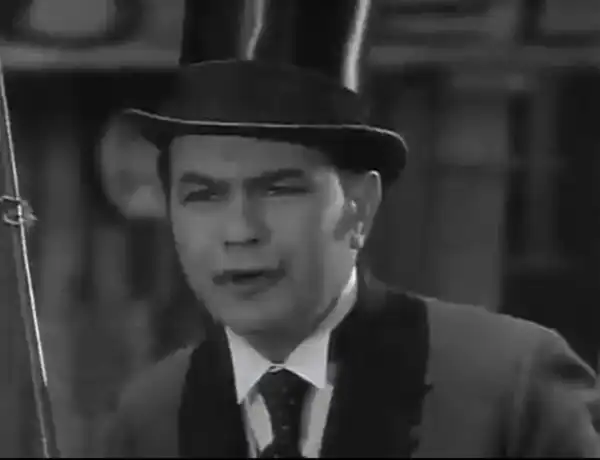
The visual language of I Loved a Woman is defined by its use of shadows and framing, a hallmark of Alfred E. Green's style. By utilizing a 1933-era palette, the film creates an immersive experience that perfectly complements its Romance themes.
| Cinematography | High-Contrast |
| Soundtrack | Diegetic |
| Editing | Elliptical |
| Art Direction | Expressionist |
Visualizing the convergence of Alfred E. Green's style and the core Romance narrative.
Art student John Hayden interrupts his studies in Greece to head his father's meat packing business on his father's death. He marries social climber Martha who taunts him for his ideals regarding worker happiness and meat purity. He begins supporting the musical career of singer Laura. During the Spanish American war he sells the Army tainted meat. Martha puts detectives on him and Laura. Indicted for fraud, he flees to Greece.
Decades after its release, I Loved a Woman remains a vital piece of the cinematic puzzle. Its influence can be seen in countless modern works, solidifying Alfred E. Green's status as a master of the craft in United States and beyond.