
DbcultAccessing Vault...
Director's Spotlight
Senior Film Conservator
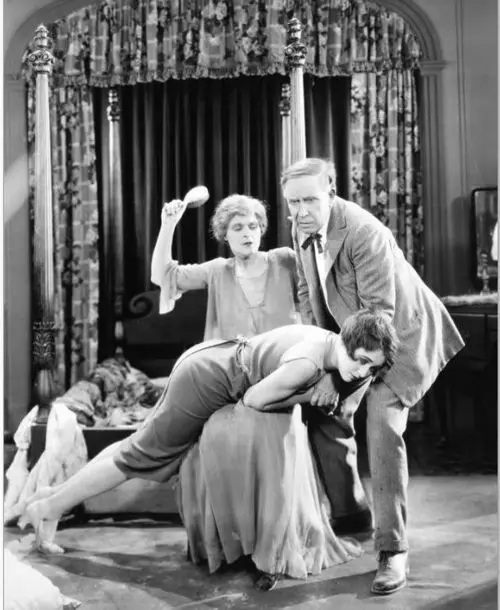
Director's Spotlight: United States
A Deep Dive into the 1925 Vision of Alfred J. Goulding
When we examine the cinematic landscape of United States, Don't emerges as a landmark work of the unique directorial voice that Alfred J. Goulding brought to the screen. This film stands as a masterclass in visual storytelling, it demands to be seen by anyone who cares about the art of film.
In Don't, Alfred J. Goulding pushes the boundaries of conventional narrative. The film's unique approach to its subject matter has sparked endless debates and interpretations among cinephiles and critics alike.
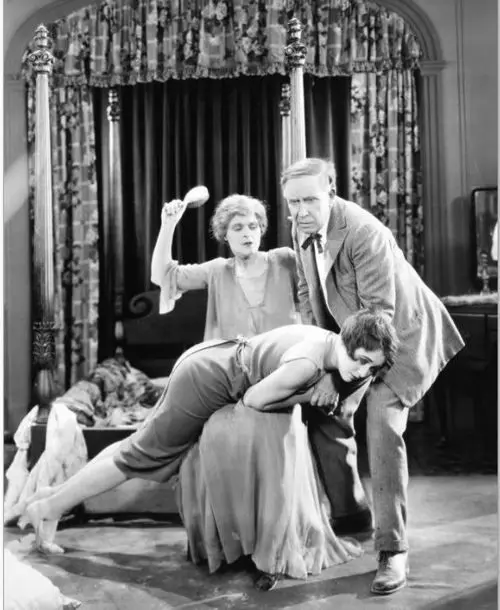
The visual language of Don't is defined by its use of shadows and framing, a hallmark of Alfred J. Goulding's style. By utilizing a 1925-era palette, the film creates an immersive experience that perfectly complements its Comedy themes.
| Cinematography | Noir-Inspired |
| Soundtrack | Synth-Heavy |
| Editing | Rhythmic |
| Art Direction | Naturalist |
Visualizing the convergence of Alfred J. Goulding's style and the core Comedy narrative.
Tracey Moffat, a schoolgirl flapper, makes a bid for her freedom by rejecting the man her father has chosen for her to marry and instead chooses fun-loving Gilbert Jenkins. Her parents' interference proves to be more than Tracey can bear, and she threatens to leave home. Mr. and Mrs. Moffat reevaluate their position, however, and decide to support their daughter's decision. Free to go, Tracey nevertheless decides to stay home and marry Gilbert.
Decades after its release, Don't remains a vital piece of the cinematic puzzle. Its influence can be seen in countless modern works, solidifying Alfred J. Goulding's status as a master of the craft in United States and beyond.