
DbcultAccessing Vault...
Director's Spotlight
Senior Film Conservator
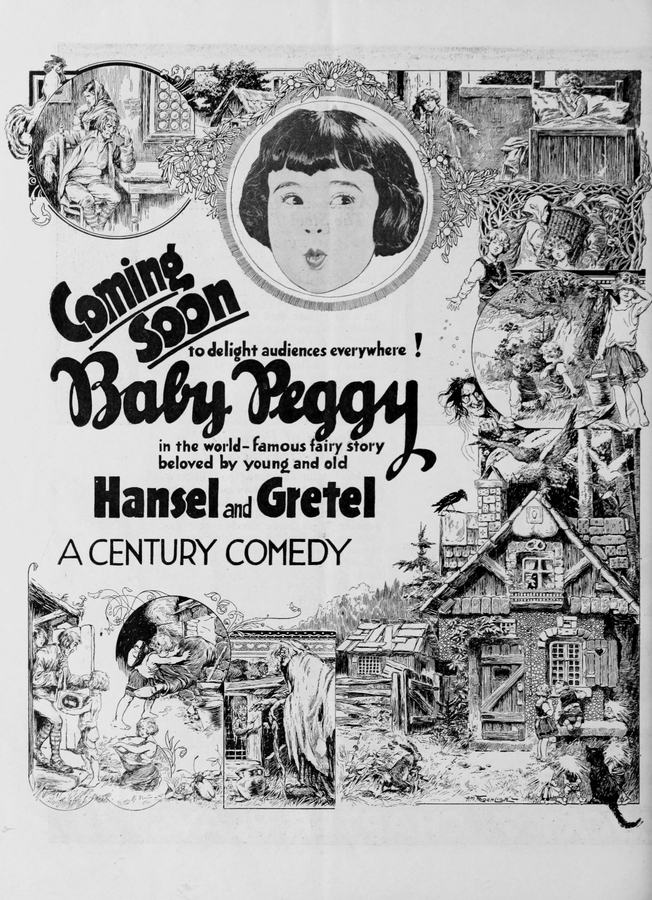
Director's Spotlight: United States
A Deep Dive into the 1923 Vision of Alfred J. Goulding
The Short DNA of Hansel and Gretel is a reflection of United States's the historical context that Alfred J. Goulding weaves into the Short fabric. Challenging the viewer to find meaning in the Short shadows, it transcends regional boundaries to tell a universal story.
In Hansel and Gretel, Alfred J. Goulding pushes the boundaries of conventional narrative. The film's unique approach to its subject matter has sparked endless debates and interpretations among cinephiles and critics alike.
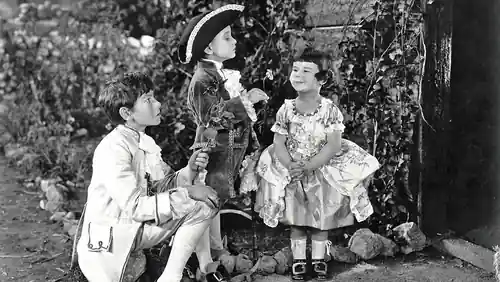
While deeply rooted in United States, Hansel and Gretel has achieved a global reach, influencing directors from various backgrounds. Its ability to translate Short tropes into a universal cinematic language is why it remains a cult staple decades after its 1923 release.
| Cinematography | Static |
| Soundtrack | Diegetic |
| Editing | Rhythmic |
| Art Direction | Naturalist |
Visualizing the convergence of Alfred J. Goulding's style and the core Short narrative.
This is the story of the heartless mother whose burdens are such that she would be rid of her two children. The henpecked father is compelled to take them to the woods and there lose them. Gretel drops bread-crumbs to find her way home, but wild-fowl eat the crumbs and they are truly lost. The babes wander to the home of a witch, who would fatten them up to make ginger-bread of them. As they are about to be thrown into the blazing furnace Peggy outwits the witch, and, in turn, the witch is thrust into the roaring flames, as the mother, repentant, heads the neighbors in the work of rescue.
Decades after its release, Hansel and Gretel remains a vital piece of the cinematic puzzle. Its influence can be seen in countless modern works, solidifying Alfred J. Goulding's status as a master of the craft in United States and beyond.