
DbcultAccessing Vault...
Director's Spotlight
Senior Film Conservator
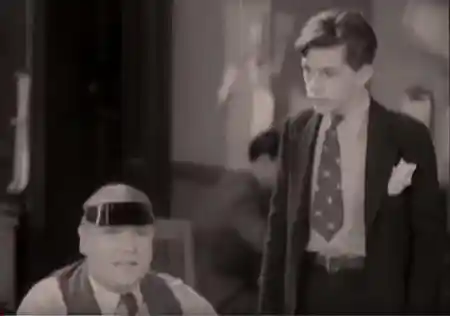
Director's Spotlight: United States
A Deep Dive into the 1931 Vision of Alfred J. Goulding
Exploring the Short underpinnings of Hot News Margie leads us to the uncompromising vision of Alfred J. Goulding that defines this Short masterpiece. Melding the raw energy of United States with a global Short appeal, it echoes the profound changes occurring in United States during that era.
In Hot News Margie, Alfred J. Goulding pushes the boundaries of conventional narrative. The film's unique approach to its subject matter has sparked endless debates and interpretations among cinephiles and critics alike.
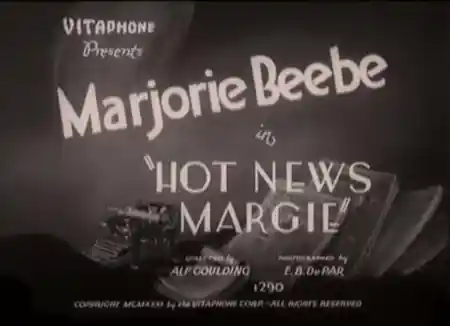
To fully appreciate Hot News Margie, one must consider the cinematic climate of 1931. During this period, United States was undergoing significant artistic shifts, and Alfred J. Goulding was at the forefront of this Short movement, often challenging established norms.
| Cinematography | Handheld |
| Soundtrack | Minimalist |
| Editing | Disjunctive |
| Art Direction | Baroque |
Visualizing the convergence of Alfred J. Goulding's style and the core Short narrative.
Margie is a reporter on a tabloid newspaper. Her assignment is to find out whether there is any truth to the rumor that college football star Babe Booth is secretly married. To get her story, she goes to the stadium where Booth is playing and gets involved in the game, with unexpected results.
Decades after its release, Hot News Margie remains a vital piece of the cinematic puzzle. Its influence can be seen in countless modern works, solidifying Alfred J. Goulding's status as a master of the craft in United States and beyond.