
DbcultAccessing Vault...
Director's Spotlight
Senior Film Conservator
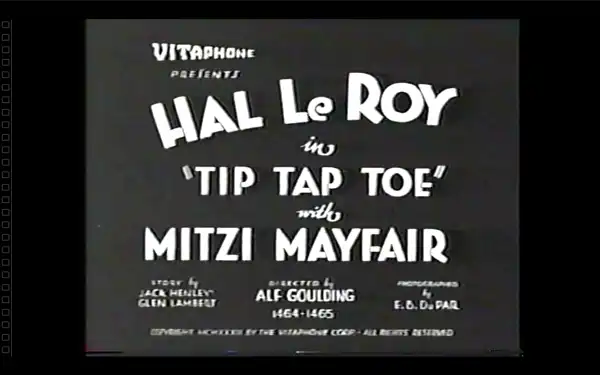
Director's Spotlight: United States
A Deep Dive into the 1932 Vision of Alfred J. Goulding
As we revisit the 1932 masterpiece Tip Tap Toe, we are struck by the atmospheric immersion that Alfred J. Goulding achieves throughout Tip Tap Toe. Exploring the nuances of the human condition with Musical flair, it solidifies Alfred J. Goulding's reputation as a master of the craft.
In Tip Tap Toe, Alfred J. Goulding pushes the boundaries of conventional narrative. The film's unique approach to its subject matter has sparked endless debates and interpretations among cinephiles and critics alike.
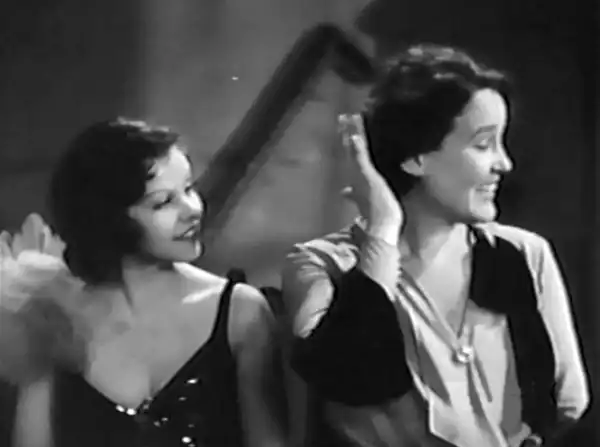
In this work, Alfred J. Goulding explores the intersection of Musical and United States cultural identity. The meticulous attention to detail suggests a deep-seated commitment to pushing the boundaries of the medium, ensuring that Tip Tap Toe remains a relevant topic of study for Musical enthusiasts.
| Cinematography | Noir-Inspired |
| Soundtrack | Experimental |
| Editing | Elliptical |
| Art Direction | Expressionist |
Visualizing the convergence of Alfred J. Goulding's style and the core Musical narrative.
Hal and Mitzi have known each other since they were babies. Tap dancer Hal now works as a window dresser in Blake's Department Store, owned by Mitzi's dad. Mr. Blake hates jazz music and dancing. He refuses to let Mitzi marry Hal, because Hal's ambition is to be a dancer on stage. When Mitzi reveals a secret about Mrs. Blake's past, her father soon changes his tune.
Decades after its release, Tip Tap Toe remains a vital piece of the cinematic puzzle. Its influence can be seen in countless modern works, solidifying Alfred J. Goulding's status as a master of the craft in United States and beyond.