
DbcultAccessing Vault...
Director's Spotlight
Senior Film Conservator
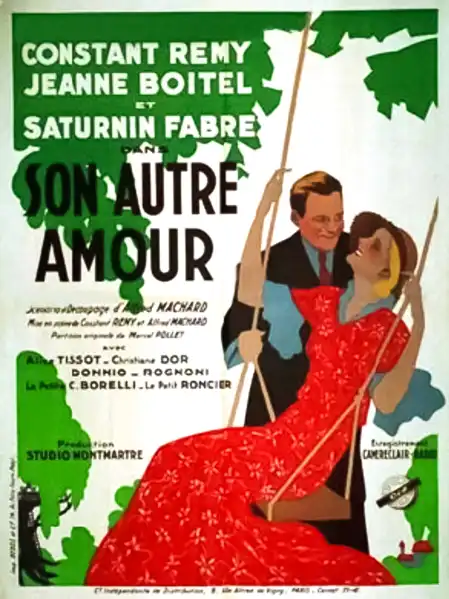
Director's Spotlight: France
A Deep Dive into the 1934 Vision of Alfred Machard
The enduring fascination with Son autre amour is a testament to the artistic risks taken by Alfred Machard that eventually paid off. Challenging the viewer to find meaning in the Romance shadows, it reminds us of the fragility and beauty of the 1934s.
In Son autre amour, Alfred Machard pushes the boundaries of conventional narrative. The film's unique approach to its subject matter has sparked endless debates and interpretations among cinephiles and critics alike.
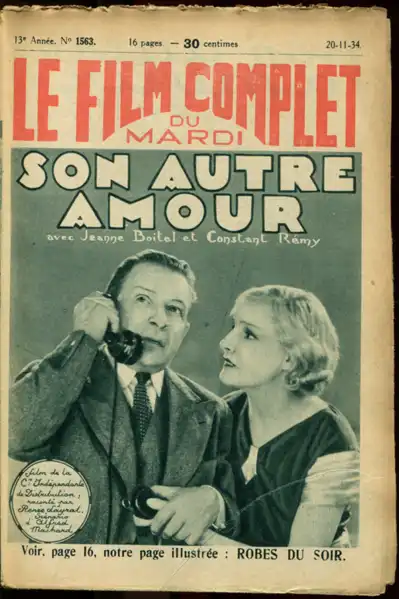
The visual language of Son autre amour is defined by its use of shadows and framing, a hallmark of Alfred Machard's style. By utilizing a 1934-era palette, the film creates an immersive experience that perfectly complements its Romance themes.
| Cinematography | Noir-Inspired |
| Soundtrack | Experimental |
| Editing | Invisible |
| Art Direction | Kitsch |
Visualizing the convergence of Alfred Machard's style and the core Romance narrative.
A widower sends his son Dédé to boarding school, falls in love with a young woman and gradually neglects the child, not out of disaffection but because of routine. The little boy is helpless: he feels he has been completely forsaken - Fortunately, things improve: Dédé ends up finding a new mummy.
Decades after its release, Son autre amour remains a vital piece of the cinematic puzzle. Its influence can be seen in countless modern works, solidifying Alfred Machard's status as a master of the craft in France and beyond.