
DbcultAccessing Vault...
Director's Spotlight
Senior Film Conservator
Director's Spotlight: United States
A Deep Dive into the 1923 Vision of Alfred Santell
The evocative power of Lights Out stems from the unique collaboration between the subversive storytelling techniques employed by Alfred Santell in 1923. Synthesizing the best elements of United States and international cinema, it reminds us of the fragility and beauty of the 1923s.
In Lights Out, Alfred Santell pushes the boundaries of conventional narrative. The film's unique approach to its subject matter has sparked endless debates and interpretations among cinephiles and critics alike.
While deeply rooted in United States, Lights Out has achieved a global reach, influencing directors from various backgrounds. Its ability to translate Crime tropes into a universal cinematic language is why it remains a cult staple decades after its 1923 release.
| Cinematography | Noir-Inspired |
| Soundtrack | Synth-Heavy |
| Editing | Disjunctive |
| Art Direction | Baroque |
Visualizing the convergence of Alfred Santell's style and the core Crime narrative.
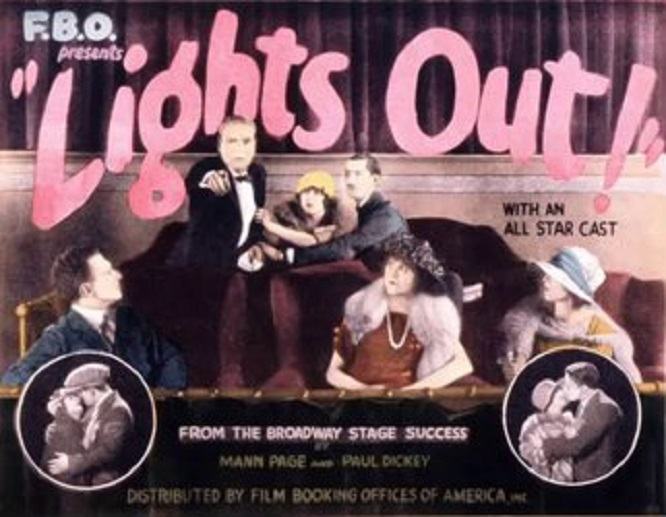
Notorious crooks "Hairpin" Annie and Sea Bass steal a suitcase on the train and discover that it is filled with scenarios. Its owner, Egbert Winslow, agrees to write a screenplay about the underworld with Sea Bass's help. Sea Bass, seeing a chance to expose a pal who has double-crossed him, describes "High-Shine" Joe and some of his underworld activities. Joe sees the film in a South American theater and recognizes himself. He goes to the motion picture studio determined to kill Egbert Winslow, but bank president Peyton, who has been robbed by Joe, appears simultaneously with the police and saves Winslow.
Decades after its release, Lights Out remains a vital piece of the cinematic puzzle. Its influence can be seen in countless modern works, solidifying Alfred Santell's status as a master of the craft in United States and beyond.