
DbcultAccessing Vault...
Director's Spotlight
Senior Film Conservator
Director's Spotlight: United States
A Deep Dive into the 1920 Vision of Alfred Santell
Peeling back the layers of Alfred Santell's Oh, Baby! exposes the technical innovation that Alfred Santell introduced to the Short format. Driven by an uncompromising commitment to Short excellence, it stands as the definitive 1920 statement on Short identity.
In Oh, Baby!, Alfred Santell pushes the boundaries of conventional narrative. The film's unique approach to its subject matter has sparked endless debates and interpretations among cinephiles and critics alike.
To fully appreciate Oh, Baby!, one must consider the cinematic climate of 1920. During this period, United States was undergoing significant artistic shifts, and Alfred Santell was at the forefront of this Short movement, often challenging established norms.
| Cinematography | Noir-Inspired |
| Soundtrack | Synth-Heavy |
| Editing | Rhythmic |
| Art Direction | Naturalist |
Visualizing the convergence of Alfred Santell's style and the core Short narrative.
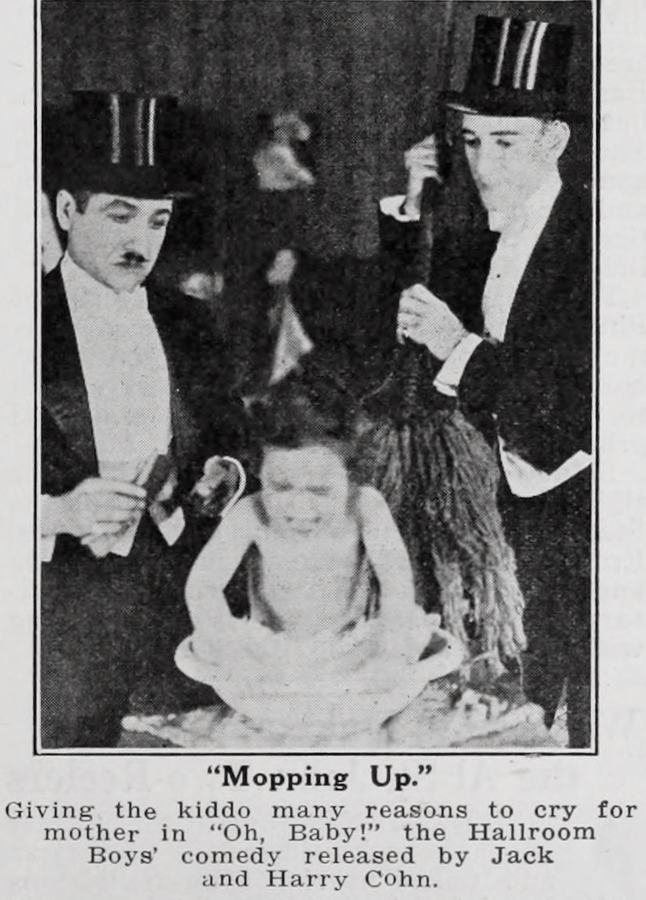
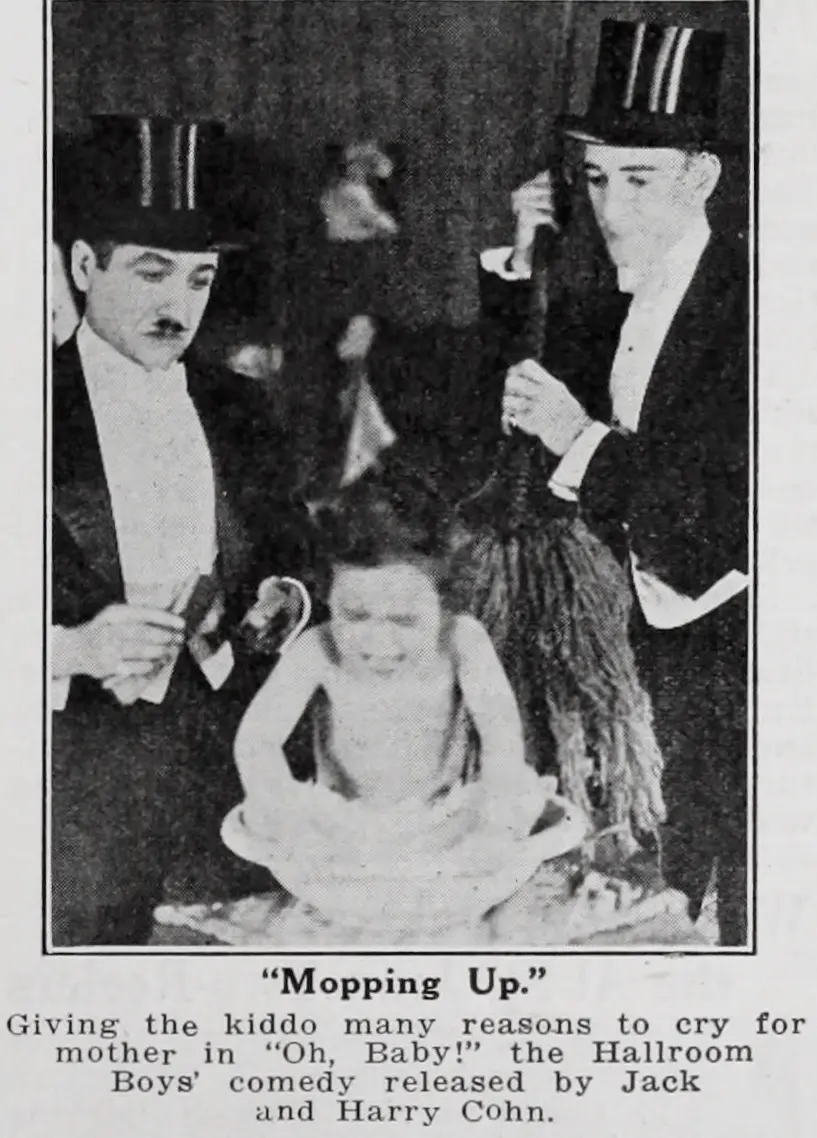
The boys have won as a prize a life-size baby doll. Their very particular friends, the Misses Millionbucks, request that they bring the doll to a reception which they are holding. Before the reception takes place, however, a real baby is left at the door of their room, and the situation is covered by dressing the baby in the doll's dress suit. The boys are nabbed before they are able to return the baby to its parents for an offered reward. It turns out, however, that the child belongs not to riches, but to a fruit dealer's wife, who already has twelve children and refuses to shoulder the responsibility of the thirteenth.
Decades after its release, Oh, Baby! remains a vital piece of the cinematic puzzle. Its influence can be seen in countless modern works, solidifying Alfred Santell's status as a master of the craft in United States and beyond.