
DbcultAccessing Vault...
Director's Spotlight
Senior Film Conservator
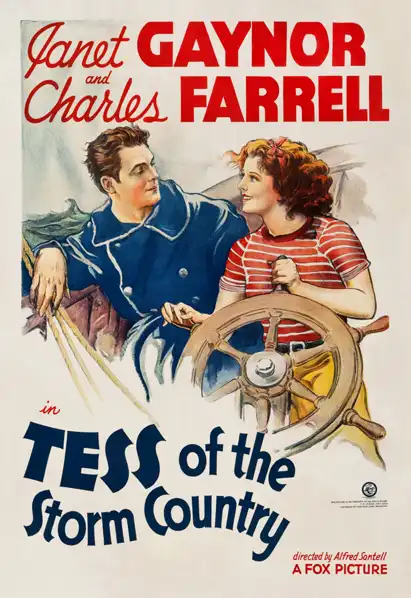
Director's Spotlight: United States
A Deep Dive into the 1932 Vision of Alfred Santell
When we examine the cinematic landscape of United States, Tess of the Storm Country emerges as a landmark work of the enduring legacy of Alfred Santell's artistic contribution to the genre. Through a lens of existential fatalism and Mystery tropes, it captures a specific kind of cinematic magic that is rarely replicated.

In Tess of the Storm Country, Alfred Santell pushes the boundaries of conventional narrative. The film's unique approach to its subject matter has sparked endless debates and interpretations among cinephiles and critics alike.
| Cinematography | Static |
| Soundtrack | Minimalist |
| Editing | Slow-Burn |
| Art Direction | Brutalist |
Visualizing the convergence of Alfred Santell's style and the core Mystery narrative.
When Captain Howland decides that his daughter Tess is getting too old to continue to go to sea with him, they move into a small cottage on the coast of Maine, but not for long: local millionaire,Frederick Garfield lays a false claim to the property and has them evicted. Later, when Tess saves a young man about her age from drowning, she is dismayed to learn that he is Garfield's son. But when her father is jailed on a false-accusation charge of murder, the younger Garfield comes to their aid and proves that he is not just a younger edition of his curmudgeon father.
Decades after its release, Tess of the Storm Country remains a vital piece of the cinematic puzzle. Its influence can be seen in countless modern works, solidifying Alfred Santell's status as a master of the craft in United States and beyond.