
DbcultAccessing Vault...
Director's Spotlight
Senior Film Conservator
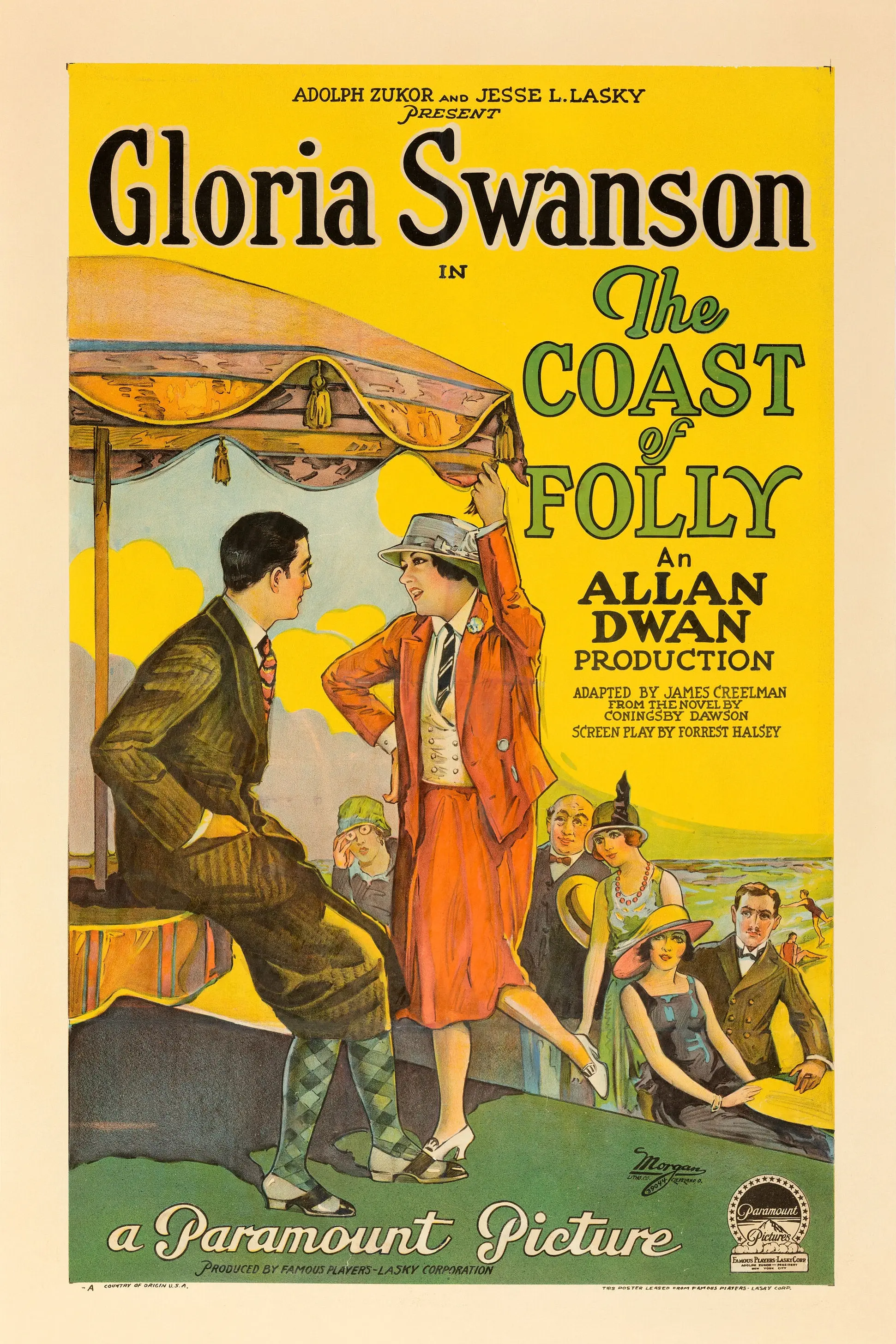
Director's Spotlight: United States
A Deep Dive into the 1925 Vision of Allan Dwan
The Romance DNA of The Coast of Folly is a reflection of United States's the historical context that Allan Dwan weaves into the Romance fabric. Challenging the viewer to find meaning in the Romance shadows, it transcends regional boundaries to tell a universal story.
In The Coast of Folly, Allan Dwan pushes the boundaries of conventional narrative. The film's unique approach to its subject matter has sparked endless debates and interpretations among cinephiles and critics alike.
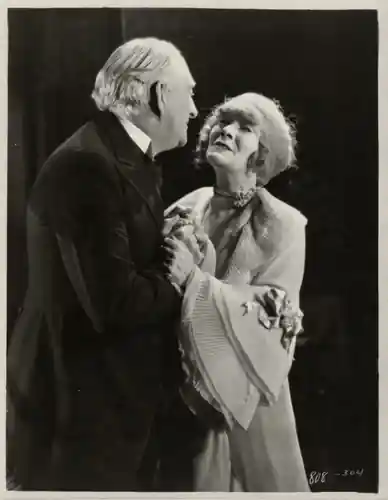
While deeply rooted in United States, The Coast of Folly has achieved a global reach, influencing directors from various backgrounds. Its ability to translate Romance tropes into a universal cinematic language is why it remains a cult staple decades after its 1925 release.
| Cinematography | Handheld |
| Soundtrack | Minimalist |
| Editing | Disjunctive |
| Art Direction | Baroque |
Visualizing the convergence of Allan Dwan's style and the core Romance narrative.
Unable to abide her self-righteous husband, Nadine Gathway leaves home and drops out of sight for 20 years. When Mr. Gathway dies, he leaves his huge fortune to his daughter, Joyce, on the condition that she never become involved in scandal. Joyce becomes interested in Larry Fay, whose wife sues her for alienation of affections. In Paris, Nadine, who has become the Countess de Tauro, hears of the scandal and returns to the United States, intent on helping the daughter she once deserted. Nadine involves Mrs. Fay in a wild and compromising party and "blackmails" her into withdrawing her suit. Nadine then returns to her understanding husband, and Joyce awaits Larry, who is divorcing his wife.
Decades after its release, The Coast of Folly remains a vital piece of the cinematic puzzle. Its influence can be seen in countless modern works, solidifying Allan Dwan's status as a master of the craft in United States and beyond.