
DbcultAccessing Vault...
Director's Spotlight
Senior Film Conservator
Director's Spotlight: United States
A Deep Dive into the 1915 Vision of Allan Dwan
Peeling back the layers of Allan Dwan's The Commanding Officer exposes the collaborative alchemy between Allan Dwan and the 1915 creative team. Anchored by a narrative that is both personal and universal, it reinforces the idea that cinema is a medium of infinite possibilities.
In The Commanding Officer, Allan Dwan pushes the boundaries of conventional narrative. The film's unique approach to its subject matter has sparked endless debates and interpretations among cinephiles and critics alike.
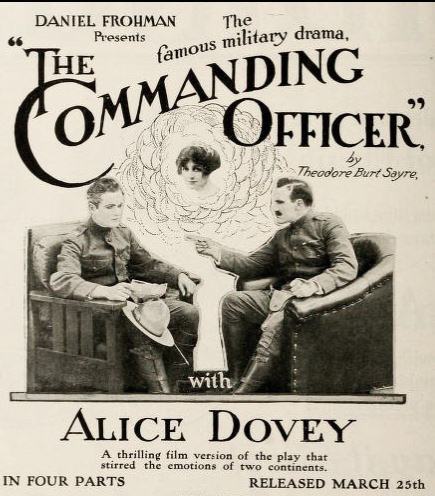
While deeply rooted in United States, The Commanding Officer has achieved a global reach, influencing directors from various backgrounds. Its ability to translate cult tropes into a universal cinematic language is why it remains a cult staple decades after its 1915 release.
| Cinematography | Static |
| Soundtrack | Experimental |
| Editing | Invisible |
| Art Direction | Kitsch |
Visualizing the convergence of Allan Dwan's style and the core cult narrative.
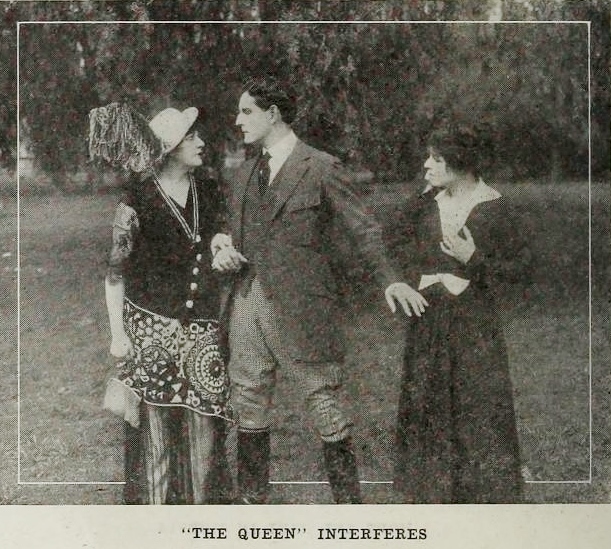
When Colonel Archer, the military post commanding officer, refuses to loan money to his second-in-command, Captain Waring, Waring gets the money from Brent Lindsay of the nearby mining town, in exchange for his note. Both Waring and Lindsay court Floyd Bingham, the daughter of a retired colonel, but Floyd learns that Lindsay is involved with Queen, a dance hall girl. Following the urging of her father, Floyd marries Archer, who has two children left to him by his dying sister, whom Floyd loves. When Lindsay continues his attentions to Floyd, Archer quarrels with her and leaves to go hunting. Floyd goes walking in the woods with Lindsay and his kiss is photographed by Waring, who attempts to blackmail Lindsay. When Lindsay is found dead and Archer, who suspects Floyd, is arrested, the men from the mining town almost lynch Archer, but Queen, who witnessed the murder, clears him.
Decades after its release, The Commanding Officer remains a vital piece of the cinematic puzzle. Its influence can be seen in countless modern works, solidifying Allan Dwan's status as a master of the craft in United States and beyond.