
DbcultAccessing Vault...
Director's Spotlight
Senior Film Conservator
Director's Spotlight: United States
A Deep Dive into the 1915 Vision of Allan Dwan
In the grand tapestry of cult cinema, The Dancing Girl serves as a bridge between the bold experimentation that has become synonymous with Allan Dwan. Breaking the traditional rules of cult engagement, it highlights the importance of independent voices in United States.
In The Dancing Girl, Allan Dwan pushes the boundaries of conventional narrative. The film's unique approach to its subject matter has sparked endless debates and interpretations among cinephiles and critics alike.
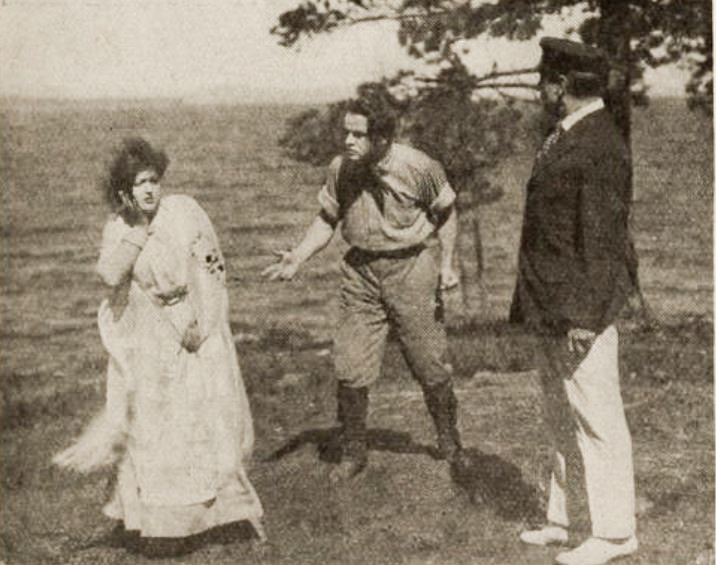
The visual language of The Dancing Girl is defined by its use of shadows and framing, a hallmark of Allan Dwan's style. By utilizing a 1915-era palette, the film creates an immersive experience that perfectly complements its cult themes.
| Cinematography | Handheld |
| Soundtrack | Orchestral |
| Editing | Slow-Burn |
| Art Direction | Brutalist |
Visualizing the convergence of Allan Dwan's style and the core cult narrative.
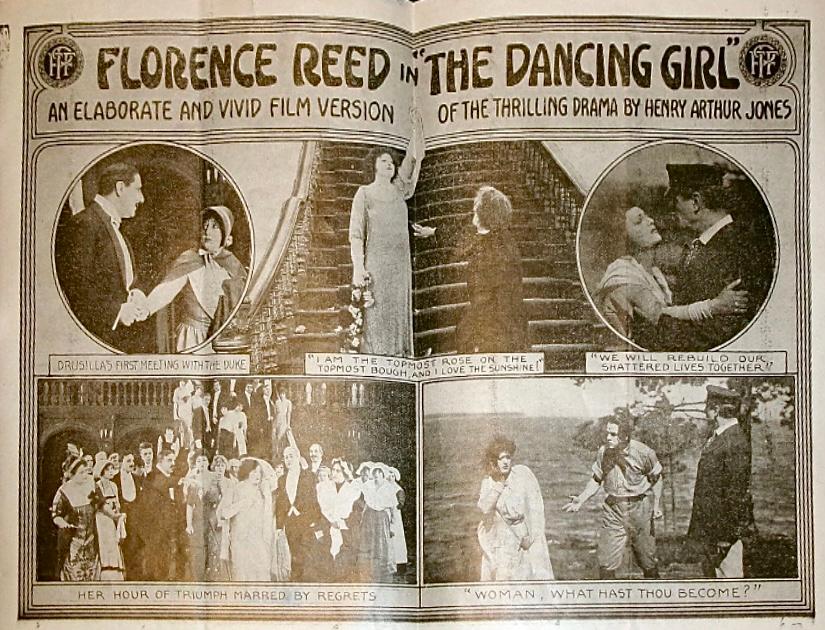
Drusilla Ives, a young Quaker girl living on an isolated island, leaves to become the servant of the spendthrift Duke of Guisenberry in London, who is the Lord of her village. She finds that she is attracted to the bustling city's night life, and when the duke discovers that she is a fine dancer, he helps her turn professional. In short order she becomes known as Diana Valrose, the city's favorite dancer. Unfortunately, her strict father and her Quaker fiancee, John Christison, back on the island find out about her newfound fame and career and strongly disapprove--her father places a curse on her and her boyfriend marries her sister Faith. Complications ensue.
Decades after its release, The Dancing Girl remains a vital piece of the cinematic puzzle. Its influence can be seen in countless modern works, solidifying Allan Dwan's status as a master of the craft in United States and beyond.