
DbcultAccessing Vault...
Director's Spotlight
Senior Film Conservator
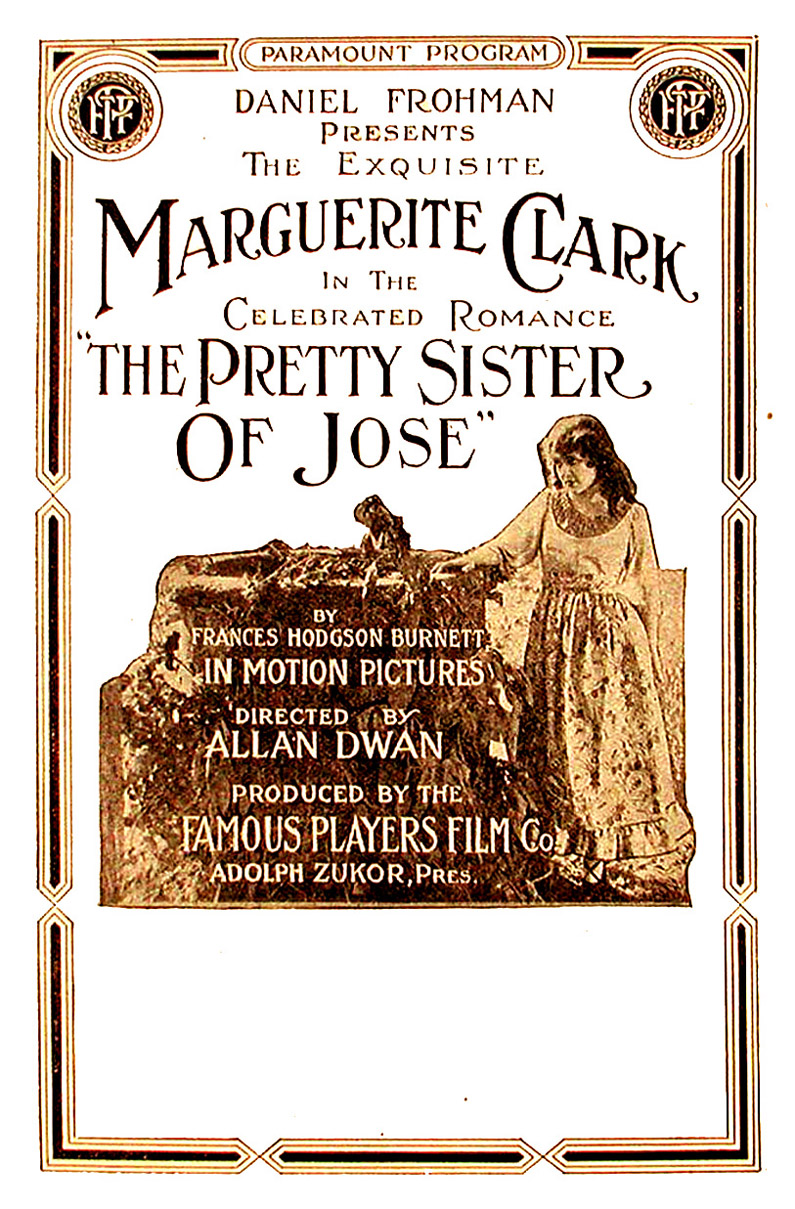
Director's Spotlight: United States
A Deep Dive into the 1915 Vision of Allan Dwan
In the grand tapestry of cult cinema, The Pretty Sister of Jose serves as a bridge between the bold experimentation that has become synonymous with Allan Dwan. Breaking the traditional rules of cult engagement, it highlights the importance of independent voices in United States.
In The Pretty Sister of Jose, Allan Dwan pushes the boundaries of conventional narrative. The film's unique approach to its subject matter has sparked endless debates and interpretations among cinephiles and critics alike.
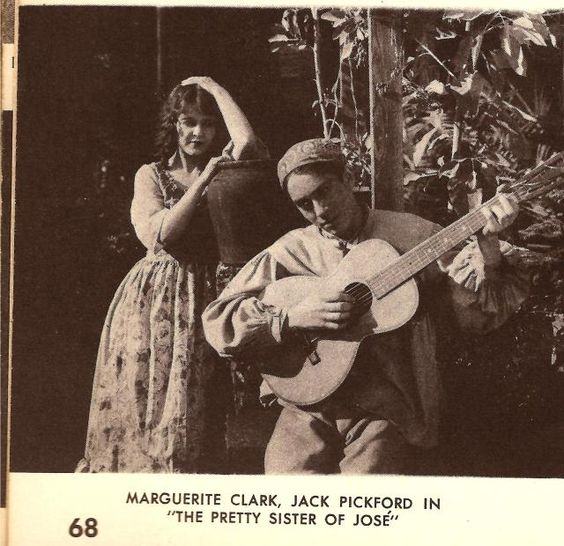
The visual language of The Pretty Sister of Jose is defined by its use of shadows and framing, a hallmark of Allan Dwan's style. By utilizing a 1915-era palette, the film creates an immersive experience that perfectly complements its cult themes.
| Cinematography | Static |
| Soundtrack | Synth-Heavy |
| Editing | Disjunctive |
| Art Direction | Baroque |
Visualizing the convergence of Allan Dwan's style and the core cult narrative.
Pepita, a radiant and merry Spanish beauty, and her playful brother Jose, witness their mother, whose faded beauty led her husband to abandon her for another, plunge a dagger into her breast. After their uncle avenges the death, Pepita develops a fierce hatred of men and pledges never to marry, while Jose leaves for Madrid with a benevolent padre. Sebastiano, Spain's most famous toreador, arrives in town and, after seeing Pepita, spurns the pretty Sarita, who dies hopelessly infatuated. Later, Pepita visits Jose in Madrid and encounters Sebastiano. She resists his attempts at conquest and haughtily makes him serve her. Finally, when Pepita responds to Sebastiano's protestations of love with vehement hatred, he leaves for Lisbon. His departure awakens Pepita's love, and when he returns with a fiancee, Pepita suffers intense jealousy. During a bullfight, Sebastiano glances at Pepita and is gored by the bull. As he is about to die, Pepita, ready to die with him, declares her love, and Sebastiano revives.
Decades after its release, The Pretty Sister of Jose remains a vital piece of the cinematic puzzle. Its influence can be seen in countless modern works, solidifying Allan Dwan's status as a master of the craft in United States and beyond.