
DbcultAccessing Vault...
Director's Spotlight
Senior Film Conservator
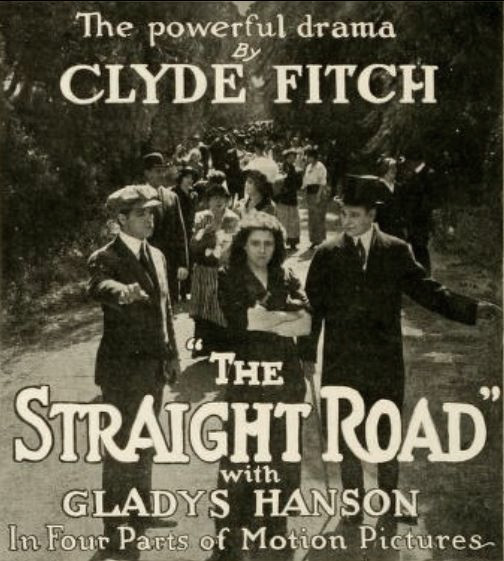
Director's Spotlight: United States
A Deep Dive into the 1914 Vision of Allan Dwan
The enduring fascination with The Straight Road is a testament to the defining moment in cult history that Allan Dwan helped create. This film stands as a masterclass in visual storytelling, it has cemented its place in the global cult cinema archive.
In The Straight Road, Allan Dwan pushes the boundaries of conventional narrative. The film's unique approach to its subject matter has sparked endless debates and interpretations among cinephiles and critics alike.
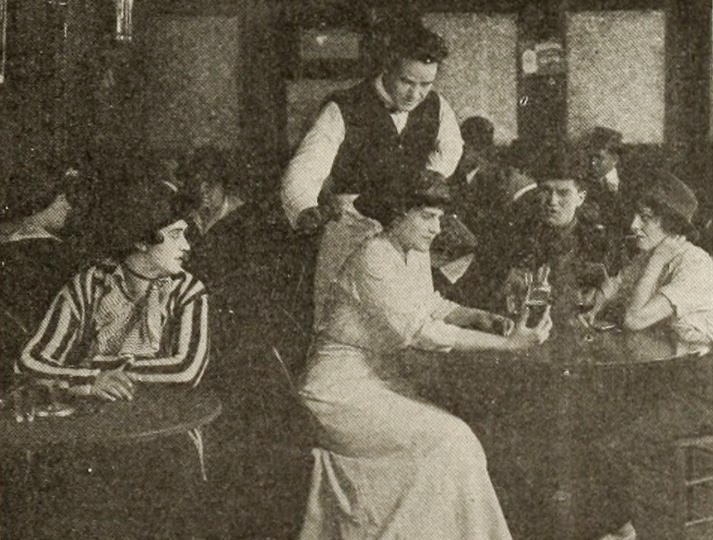
The visual language of The Straight Road is defined by its use of shadows and framing, a hallmark of Allan Dwan's style. By utilizing a 1914-era palette, the film creates an immersive experience that perfectly complements its cult themes.
| Cinematography | Noir-Inspired |
| Soundtrack | Orchestral |
| Editing | Slow-Burn |
| Art Direction | Brutalist |
Visualizing the convergence of Allan Dwan's style and the core cult narrative.
Moll O'Hara, a child of the gutter, grows up with the horrible example of her drunken mother before her, and when, reaching womanhood, the girl loses her mother she keeps as a terrible souvenir the mother's craving for liquor, thrust upon the child when helpless to defend itself. But, save for the love of drinking and of fighting, Moll keeps to "the straight road" and the other temptations of her squalid life leave her unscathed. One day Moll is attacked by Liz, a disreputable woman in Bill Hubbell's saloon; the two women fight and are arrested. On their way past the settlement, Ruth Thompson a wealthy young settlement worker and her fiancé, Douglas Ames, see the pitiful procession, but Ruth insists that Moll and the others be brought into the settlement until she has the affair investigated. They come in and with them Bill Hubbell, the handsome and athletic saloon-keeper, and when he tells the true story of Moll's being first attacked by Liz. Moll is released, at the solicitation of Ruth Thompson. When the others have gone, Ruth pleads with Moll to quit drinking, and aided by the pleading of Mike Finnerty, a little crippled boy, Moll at last gives in, the callous indifference of her nature vanishes, and she becomes a different creature. Mrs. Finnerty, made kindly by Moll's love for little Mike, takes her home with her and a new life begins for Moll. Bill Hubbell, the saloon-keeper, instead of being offended by Moll's abstaining from his wares, encourages her, and a friendship springs up between the two that soon ripens into romance. But Douglas Ames, though engaged to Ruth, with the day set for their wedding, has determined to make a conquest of Moll, and one day, just as she is leaving Ruth, having told of her engagement to Bill, Ames follows and catches her in his arms. Ruth comes upon them, and Ames treacherously throws the fault on Moll, pretending that she had made advances to him, which he was repelling. Naturally, Ruth believes the man she loves in preference to the girl from the gutter, but at last promises the frantic Moll that she will come to her rooms at Finnerty's at 6 o'clock the following evening. After Moll leaves, Ames follows, as Moll knew he would, and begs that he be allowed to visit her. She coquettes with him and promises to be at home to him at six next evening, determined that Ruth shall find him and realize his vileness and the truth of Moll's story. But Bill Hubbell sees and overhears the appointment, and the next night when Ames calls, Bill, instead of Ruth, bursts into the room and sees Ames in the act of embracing Moll. In vain Moll tries to tell Bill the trap she had set for Ames. He laughs scornfully, and when Ruth enters tells her what he saw. Ames sneaks away, and both Ruth and Bill leave, believing Moll guilty. The frenzied and desperate Moll seizes the whiskey Ames had brought her and starts to drink, determined to go back to the gutter, when her despairing eyes fall on the sweet pictured face of the Madonna, a gift from Ruth. Throwing away the liquor, Moll falls on her knees and prays for succor and vindication. How her prayer is answered, her enemy crushed, her innocence established and her love and faith restored is developed in the climax of this drama.
Decades after its release, The Straight Road remains a vital piece of the cinematic puzzle. Its influence can be seen in countless modern works, solidifying Allan Dwan's status as a master of the craft in United States and beyond.