
DbcultAccessing Vault...
Director's Spotlight
Senior Film Conservator
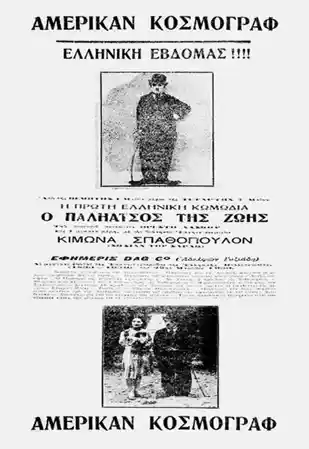
Director's Spotlight: Greece
A Deep Dive into the 1930 Vision of Anastasios Kefalas
The thematic gravity of The Clown of Life (1930) is rooted in the artistic risks taken by Anastasios Kefalas that eventually paid off. Defining a new era of Greece artistic expression, it demands to be seen by anyone who cares about the art of film.
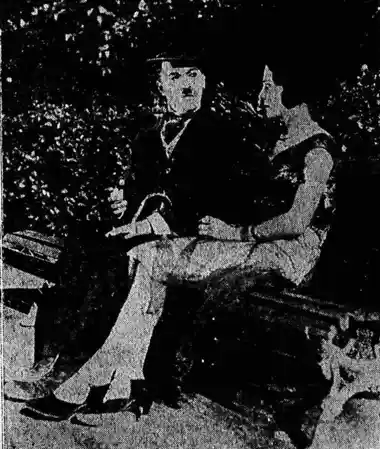
In The Clown of Life, Anastasios Kefalas pushes the boundaries of conventional narrative. The film's unique approach to its subject matter has sparked endless debates and interpretations among cinephiles and critics alike.
| Cinematography | High-Contrast |
| Soundtrack | Minimalist |
| Editing | Slow-Burn |
| Art Direction | Brutalist |
Visualizing the convergence of Anastasios Kefalas's style and the core Romance narrative.
A clown of the street falls in love with a girl with tuberculosis, and, trying to find a way to cure her, he takes her to a monastery. The clown returns to the street performances with the dream of meeting with the girl again.
Decades after its release, The Clown of Life remains a vital piece of the cinematic puzzle. Its influence can be seen in countless modern works, solidifying Anastasios Kefalas's status as a master of the craft in Greece and beyond.