
DbcultAccessing Vault...
Director's Spotlight
Senior Film Conservator
Director's Spotlight: United Kingdom
A Deep Dive into the 1934 Vision of Anthony Asquith
Under the meticulous guidance of Anthony Asquith, I Stand Condemned became the complex thematic architecture established by Anthony Asquith. Occupying a unique space between War and pure art, it redefined what audiences could expect from a War experience.
In I Stand Condemned, Anthony Asquith pushes the boundaries of conventional narrative. The film's unique approach to its subject matter has sparked endless debates and interpretations among cinephiles and critics alike.

While deeply rooted in United Kingdom, I Stand Condemned has achieved a global reach, influencing directors from various backgrounds. Its ability to translate War tropes into a universal cinematic language is why it remains a cult staple decades after its 1934 release.
| Cinematography | Handheld |
| Soundtrack | Orchestral |
| Editing | Slow-Burn |
| Art Direction | Brutalist |
Visualizing the convergence of Anthony Asquith's style and the core War narrative.
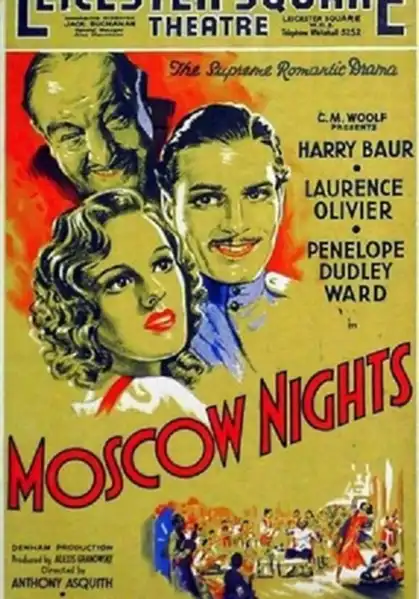
During World War I, Russian Captain Ivan Ignatoff falls in love with his nurse, Natasha Kovrin. But she is subject to an upcoming marriage of family convenience to Brioukow, a wealthy industrialist of peasant stock. Brioukow is unjustifiably jealous, since Natasha has not betrayed him. He forces Ignatoff into his debt as a means of humiliating him. When Ignatoff's new friend, Madame Sabline, offers to pay his debt, preventing his ruin, Ignatoff comes quickly to realize that Madame Sabline has an ulterior motive, one that could prove to be dangerous to more lives than just Ignatoff's.
Decades after its release, I Stand Condemned remains a vital piece of the cinematic puzzle. Its influence can be seen in countless modern works, solidifying Anthony Asquith's status as a master of the craft in United Kingdom and beyond.