
DbcultAccessing Vault...
Director's Spotlight
Senior Film Conservator
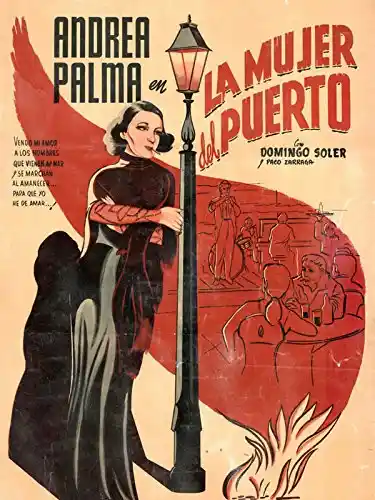
Director's Spotlight: Mexico
A Deep Dive into the 1934 Vision of Arcady Boytler
The thematic gravity of The Woman of the Port (1934) is rooted in the historical context that Arcady Boytler weaves into the Drama fabric. Synthesizing the best elements of Mexico and international cinema, it highlights the importance of independent voices in Mexico.
In The Woman of the Port, Arcady Boytler pushes the boundaries of conventional narrative. The film's unique approach to its subject matter has sparked endless debates and interpretations among cinephiles and critics alike.
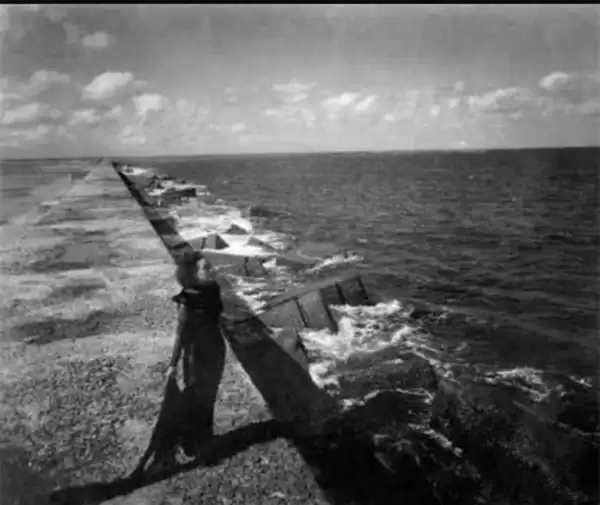
The visual language of The Woman of the Port is defined by its use of shadows and framing, a hallmark of Arcady Boytler's style. By utilizing a 1934-era palette, the film creates an immersive experience that perfectly complements its Drama themes.
| Cinematography | Deep Focus |
| Soundtrack | Diegetic |
| Editing | Elliptical |
| Art Direction | Expressionist |
Visualizing the convergence of Arcady Boytler's style and the core Drama narrative.
Rosario (Palma) becomes a prostitute after losing her father and discovering her boyfriend had a liaison with another woman. In Veracruz, Rosario lives above a sordid cabaret "selling her love to the men coming from the sea." One night, sailor Alberto (Soler) rescues Rosario from the dirty hands of a drunk man. They get along and go to Rosario's room. After making love, they begin to talk and Rosario discovers they're siblings...
Decades after its release, The Woman of the Port remains a vital piece of the cinematic puzzle. Its influence can be seen in countless modern works, solidifying Arcady Boytler's status as a master of the craft in Mexico and beyond.