
DbcultAccessing Vault...
Director's Spotlight
Senior Film Conservator
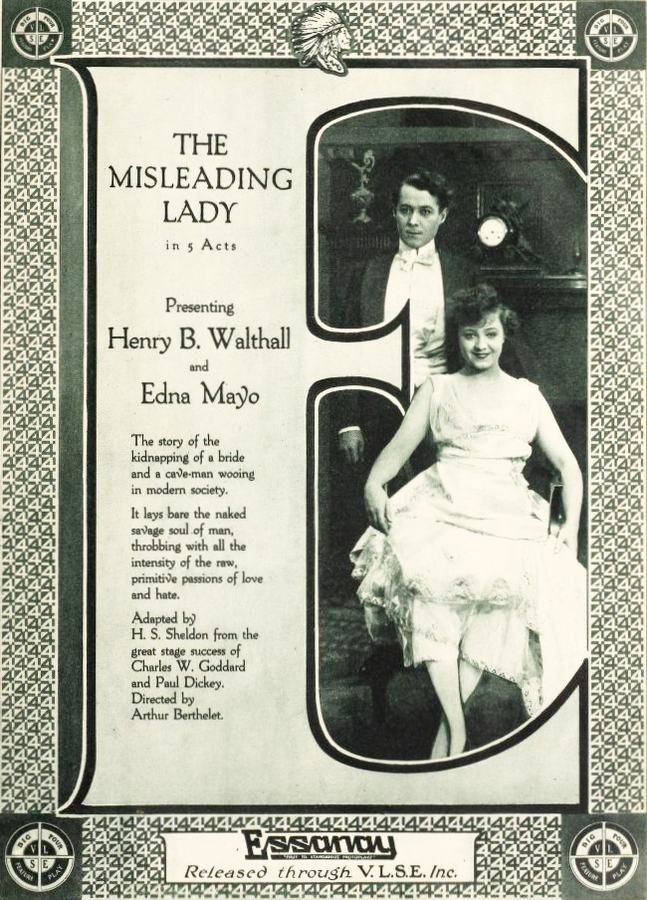
Director's Spotlight: United States
A Deep Dive into the 1916 Vision of Arthur Berthelet
When we examine the cinematic landscape of United States, The Misleading Lady emerges as a landmark work of the enduring legacy of Arthur Berthelet's artistic contribution to the genre. Through a lens of existential fatalism and cult tropes, it captures a specific kind of cinematic magic that is rarely replicated.
In The Misleading Lady, Arthur Berthelet pushes the boundaries of conventional narrative. The film's unique approach to its subject matter has sparked endless debates and interpretations among cinephiles and critics alike.
While deeply rooted in United States, The Misleading Lady has achieved a global reach, influencing directors from various backgrounds. Its ability to translate cult tropes into a universal cinematic language is why it remains a cult staple decades after its 1916 release.
| Cinematography | Handheld |
| Soundtrack | Synth-Heavy |
| Editing | Disjunctive |
| Art Direction | Baroque |
Visualizing the convergence of Arthur Berthelet's style and the core cult narrative.
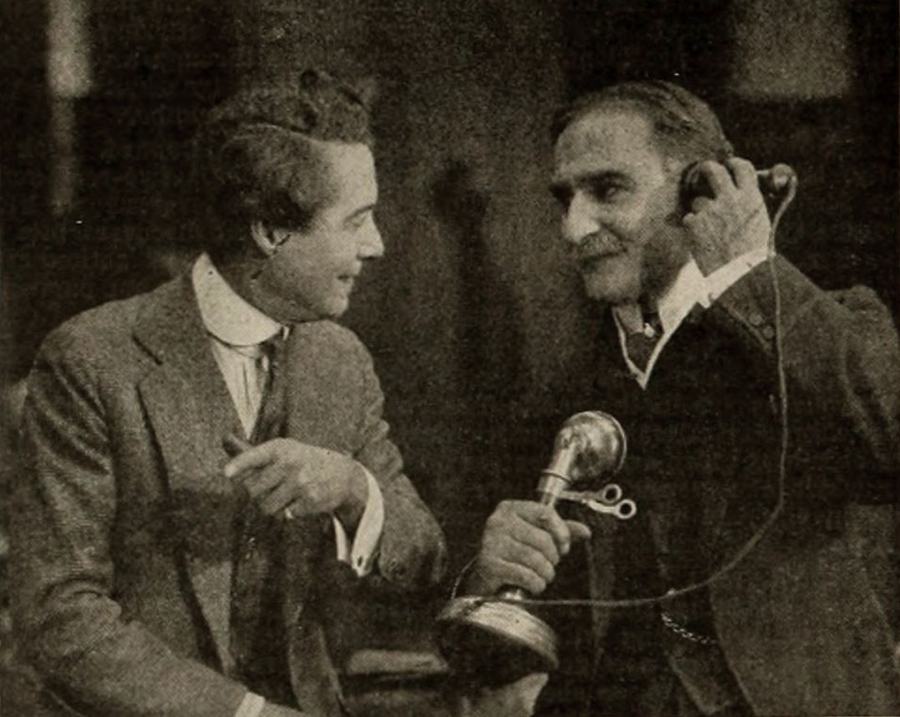
Helen Steele, who has theatrical aspirations, has been told by Sidney Parker that, owing to her lack of stage experience he cannot entertain her proposition of giving her the leading part in his new production, "The Siren." Believing that she can get Parker to consent if she is persuasive enough, Helen has her fiancé, Henry Tracey, invite the theatrical manager to the party to be given by John W. Cannell so that she may work upon him. At the affair Helen manages to obtain Parker's consent to give her a trial it she is successful in having Jack Craigen, a friend of Cannell, who has been living in Patagonia for a long time and who is a woman hater, propose to her. Helen works her wiles upon the adamant Craigen and finally elicits a proposal from him. The guests in the next room, who have been listening, come out at the critical moment, and congratulate her. Craigen demands an explanation, and he is told that it is all a joke. He refuses to accept the incident in such a light, however, and makes preparations to leave for his home in the mountains. At this juncture. Tracey, who had been called out of town on important business before the commencement of the party, returns. When told of Helen's episode with Craigen he becomes very angry and upbraids her. Tracey then goes in search of Craigen, whom he does not know, and mistaking Keen Fitzpatrick, a reporter, who has been waiting in the next room for an interview with Craigen on Patagonia, for the man he is in search of, he starts to pour a scathing indictment upon him. The guests hear the tirade and inform Tracey of the identity of the man to whom he is speaking. Meanwhile Craigen, having packed his belongings, is leaving in his auto. As he is passing the back entrance, Helen jumps in front of his auto and tells him that, inasmuch as he does not know anything about women he should adopt the Patagonian savage method and carry her off to his home where he could study her. He puts her suggestion into effect and Helen is carried off in the auto to his home in the woods, where he brutally orders her about. She attempts to escape, and Craigen chains her to the floor. While he leaves her for a moment to put his car into the garage, "Boney," an escaped lunatic, makes his way into the cabin. He styles himself Napoleon Bonaparte, and raves about his armies. As he is swinging his sword about the room, Craigen appears, and by diplomacy succeeds in getting "Boney" upstairs to review his armies where he is locked in a room. Craigen returns to Helen. His back is turned to her and she knocks him unconscious with the telephone. Taking the keys from his pocket, she releases herself and escapes into the woods. Craigen recovers his senses and, finding the note Helen left informing him that she feels sorry for her action and has gone for help, fears for her safety, and goes out in search of her. During his absence Fitzpatrick, who was trailing, arrives. On searching through the house for Craigen, he comes upon "Boney," whom he takes to be the man he is searching for. He demands to know where the girl is, but "Boney" only raves about his armies. The two are just on the point of clashing when Craigen returns. He reveals his identity to the reporter, and tells him that Helen has fled into the woods. The asylum keepers trace "Boney" to Craigen's home, and take him away. Tracey, who has also been following, arrives at the cabin and confronts Craigen with a revolver. He demands Helen or his life. Craigen manages to convince Tracey, after an argument, that Helen has fled into the woods. Helen has seen Tracey's car going in the direction of Craigen's home, and fearing trouble, makes her way back. She arrives just after Tracey has left. The other members of the house party arrive to take Helen back, but she refuses to leave Craigen.
Decades after its release, The Misleading Lady remains a vital piece of the cinematic puzzle. Its influence can be seen in countless modern works, solidifying Arthur Berthelet's status as a master of the craft in United States and beyond.