
DbcultAccessing Vault...
Director's Spotlight
Senior Film Conservator
Director's Spotlight: United States
A Deep Dive into the 1918 Vision of Arthur Hotaling
Exploring the cult underpinnings of One Night leads us to the stylistic boundaries pushed by Arthur Hotaling during the production. Through a lens of existential fatalism and cult tropes, it continues to spark endless debates among critics and cinephiles alike.
In One Night, Arthur Hotaling pushes the boundaries of conventional narrative. The film's unique approach to its subject matter has sparked endless debates and interpretations among cinephiles and critics alike.
| Cinematography | High-Contrast |
| Soundtrack | Orchestral |
| Editing | Invisible |
| Art Direction | Kitsch |
Visualizing the convergence of Arthur Hotaling's style and the core cult narrative.
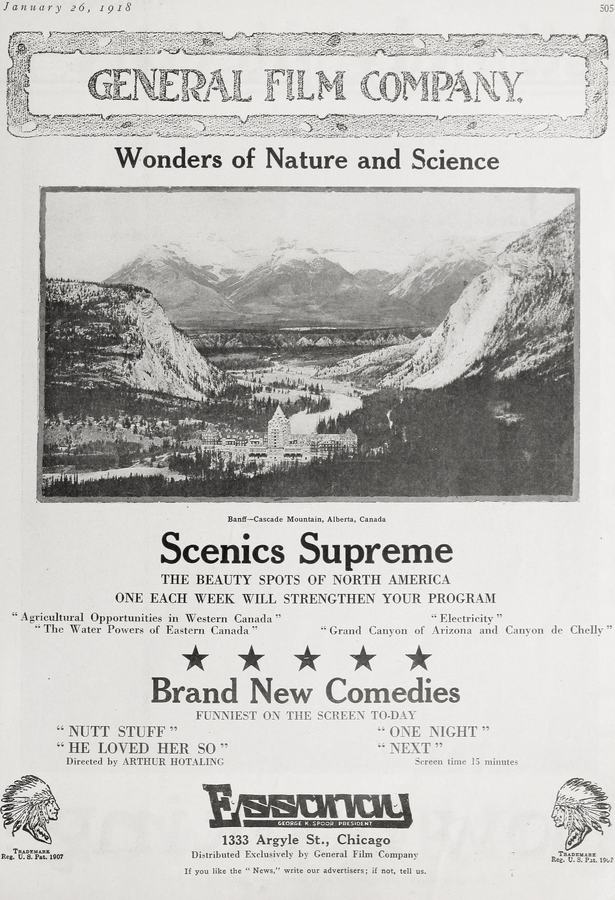
The Gentleman Drunk returns to the hotel about midnight, climbing into bed with his silk hat on. Upstairs the Ham Actor climbs through the window and down a rope, beating his board bill. Across the hall, talking in whispers the Girl and her fiancé plan an elopement, enraged at parental objections to kissing in the hotel parlor. Hearing the Ham Actor scuffling down the wall on the rope, the Drunk staggers to the window and peers out, his silk hat falling to the ground below. Stealthily he creeps downstairs and onto the sidewalk to regain it. In the meantime the Girl and Man are ready for flight, but the irate parents catch them. The Drunk loses his nightgown, and to hide from some girls entering the hotel, rolls up in a rug and runs wildly through the halls. The Ham Actor has aroused the guests of the hotel, who think him a burglar. Nora in the kitchen is entertaining the Cop. Together they capture the Ham Actor and finally discover the Drunk in hiding under the sofa.
Decades after its release, One Night remains a vital piece of the cinematic puzzle. Its influence can be seen in countless modern works, solidifying Arthur Hotaling's status as a master of the craft in United States and beyond.