
DbcultAccessing Vault...
Listicle
Archivist John
Senior Editor

The 1910s and 1920s represent a foundational period in cinematic history, an era where the language of visual storytelling was being written in real-time. Before the 'Talkies' revolutionized the industry in the late 1920s, directors across the globe—from the bustling studios of Hollywood to the experimental hubs of Berlin and Moscow—were pushing the boundaries of what a camera could capture. While many people today associate silent film only with Charlie Chaplin or Buster Keaton, the landscape was incredibly diverse, featuring gritty social dramas, avant-garde animation, and sweeping international epics. In this list, we dive deep into the archives to highlight ten unique films from this transformative period that deserve a spot on every cinephile's watchlist.
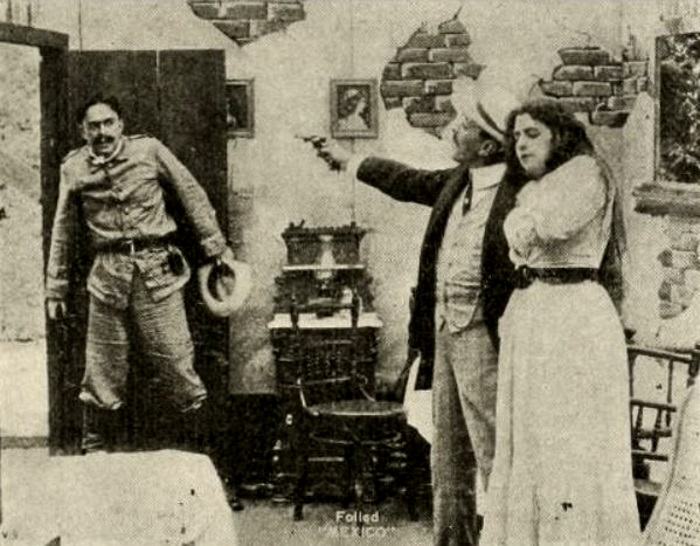
Stepping back to the earlier days of the silent era, En defensa propia is a fascinating relic of Mexican cinema. Released in 1917, this film showcases the burgeoning narrative techniques of the time, focusing on themes of honor, social standing, and the legal complexities of self-defense. It offers a rare window into the cultural and aesthetic values of Mexico during a period of significant social transition. The cinematography, though primitive by modern standards, captures the raw emotional stakes of its protagonist’s journey. This film is essential for those interested in the global evolution of the drama genre, proving that the desire for justice and the complexities of the law have always been powerful cinematic draws.
Read full review of En defensa propia
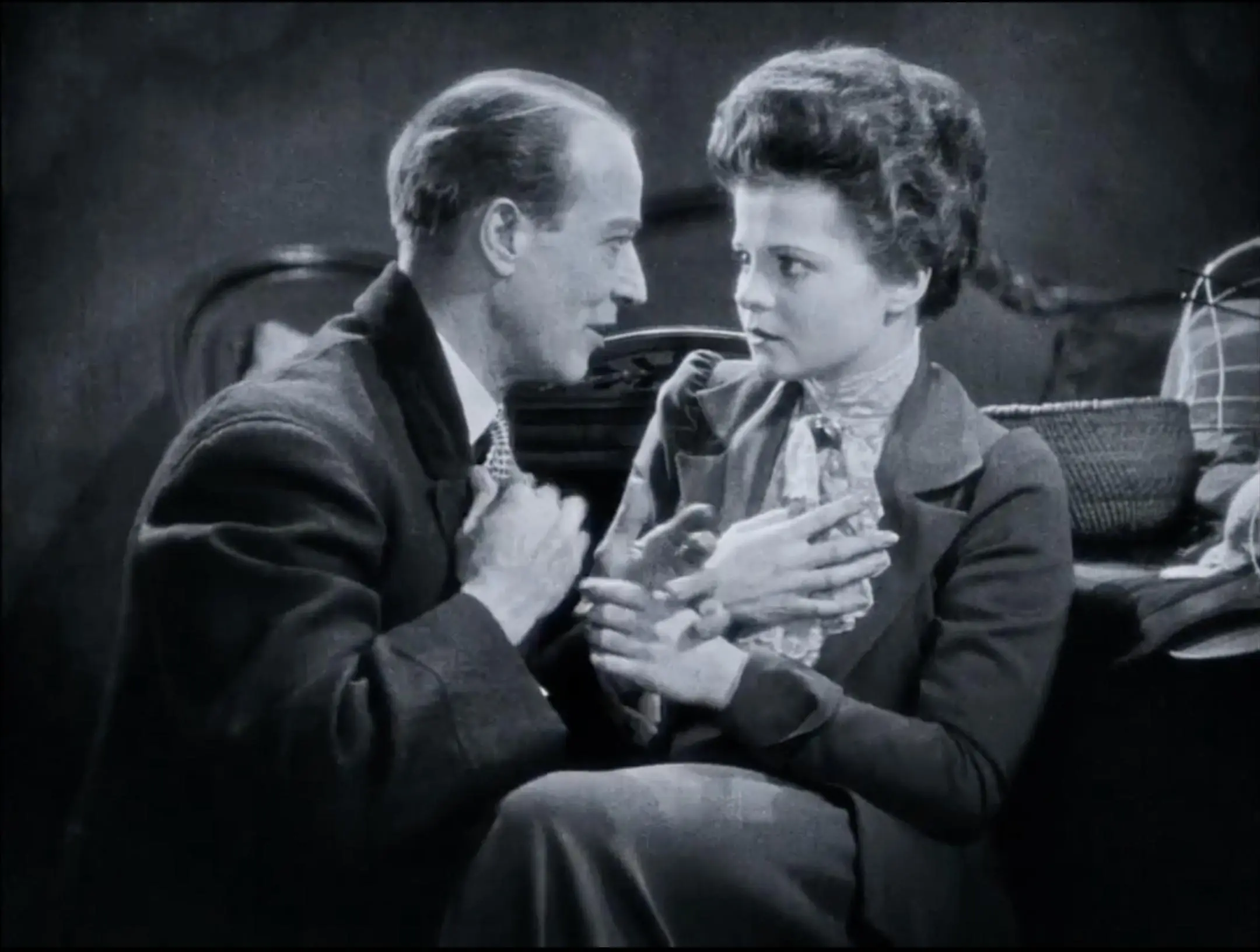
The year 1923 brought us Do Women Pay?, a film that grappled with the shifting gender dynamics of the post-WWI world. As the 'New Woman' began to emerge in society, cinema reflected these changes through stories of sacrifice, economic struggle, and social double standards. This drama explores the weight of societal expectations placed upon women and the often-steep price they had to pay for independence or survival. It is a poignant look at early 20th-century feminism, wrapped in the visual tropes of the silent melodrama. The lead performances are particularly noteworthy for their ability to convey internal conflict without the aid of dialogue, utilizing the 'acting with the eyes' technique that defined the era.
Read full review of Do Women Pay?
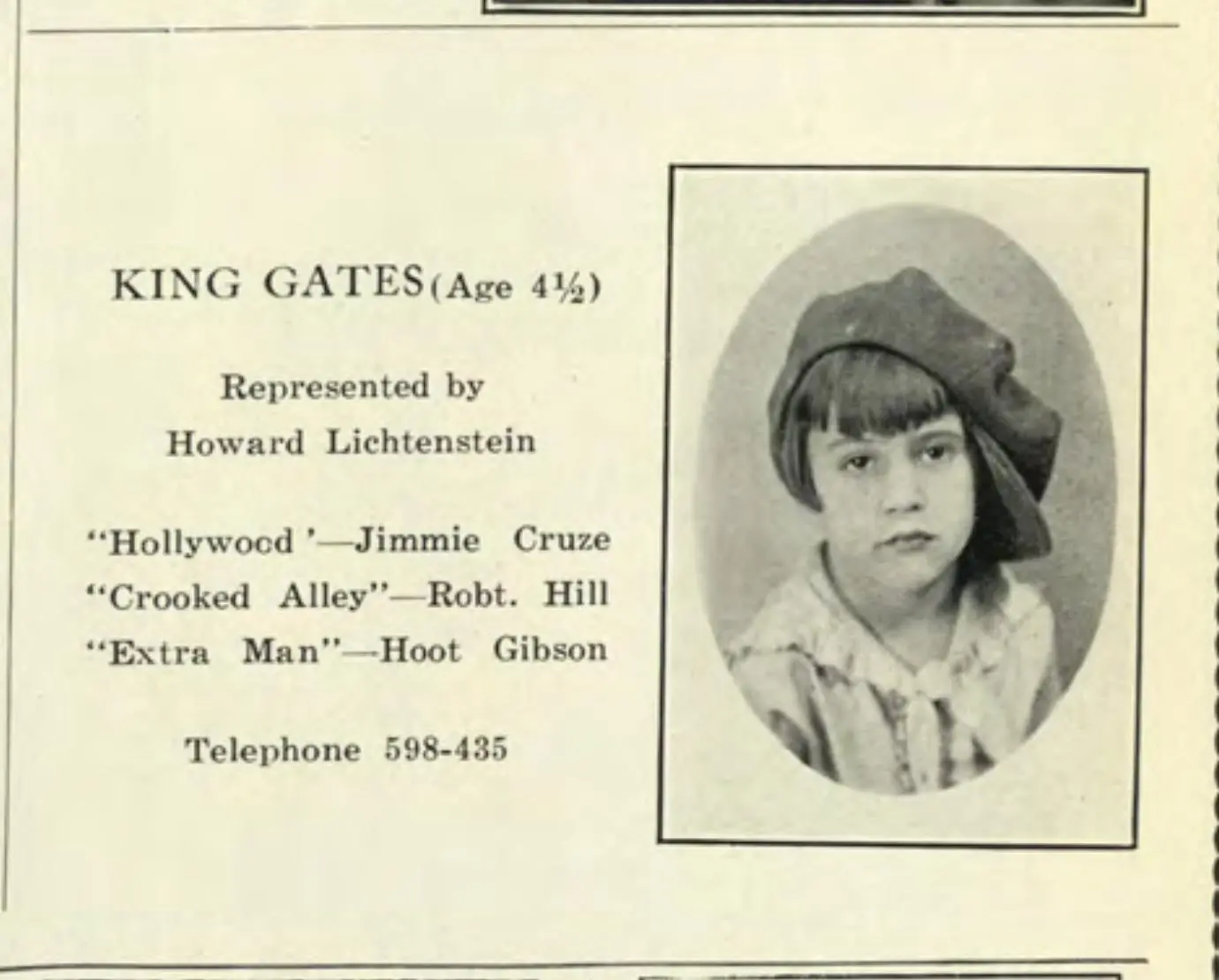
Before the 'meta' film became a staple of modern cinema, Babes in Hollywood was already poking fun at the industry’s own myths. This 1923 release serves as both a comedy and a cautionary tale about the allure of the silver screen. It follows the aspirations of young hopefuls looking to make it big in the burgeoning movie capital. The film captures the vibrant, chaotic energy of early Tinseltown, offering modern viewers a nostalgic look at the sets, costumes, and culture of the 1920s film industry. It’s a delightful time capsule that reminds us that the dream of stardom is as old as the medium itself.
Read full review of Babes in Hollywood
Perhaps one of the most visually striking entries on this list, Mezhplanetnaya revolyutsiya (Interplanetary Revolution) is a 1924 Soviet animated short that must be seen to be believed. Created as a parody of the live-action sci-fi epic Aelita, this film utilizes stop-motion and cut-out animation to tell a wild tale of world revolution spreading to Mars. The aesthetic is heavily influenced by the Constructivist movement, featuring sharp angles, bold propaganda-style imagery, and a sense of kinetic energy that was decades ahead of its time. It is a vital piece of animation history that demonstrates the political and artistic radicalism of the early Soviet Union.
Read full review of Mezhplanetnaya revolyutsiya
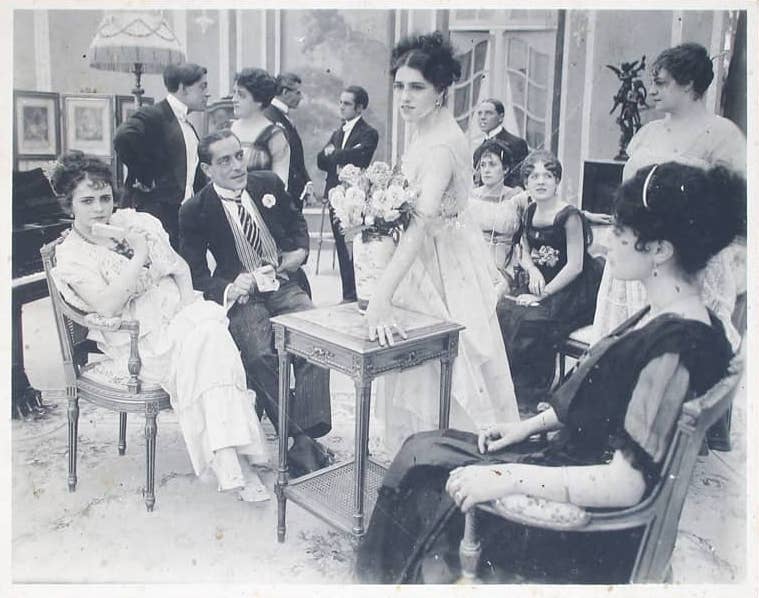
In 1924, The Reel Virginian provided audiences with a charming blend of comedy and regional storytelling. As Hollywood began to dominate the global market, films like this often played with the contrast between rural life and the 'sophistication' of the film world. The movie utilizes the beautiful natural landscapes of the American South to ground its narrative, offering a sense of place that was often lost in the studio-bound productions of the time. Its lighthearted approach and clever use of intertitles make it an accessible and entertaining example of mid-20s American comedy.
Read full review of The Reel Virginian
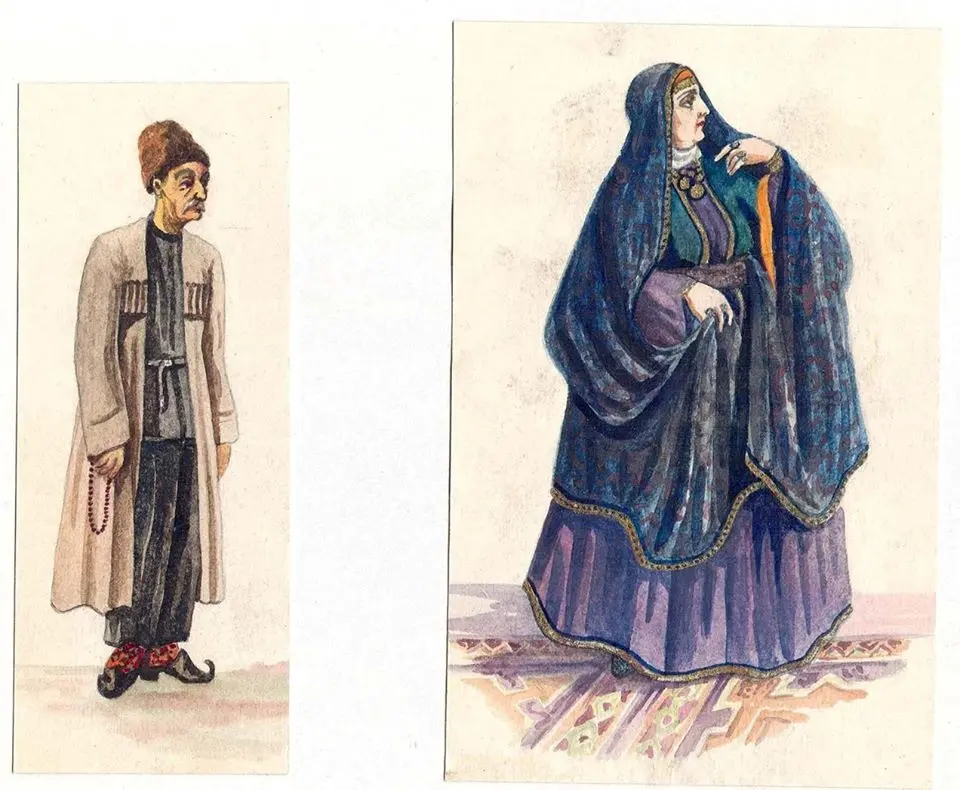
Slapstick was the king of the silent era, and Eat and Run (1924) is a testament to the enduring power of physical comedy. The film relies on frantic pacing, exaggerated gestures, and clever prop work to elicit laughs. During this period, comedy was universal because it didn't rely on language; a well-timed fall or a chaotic chase scene translated perfectly across international borders. Eat and Run captures that infectious energy, showcasing the athletic precision required of silent comedians who had to perform their own stunts and maintain perfect comedic timing without the benefit of sound cues.
Read full review of Eat and Run
Moving to Germany, Kampf um die Scholle (Struggle for the Soil) is a 1925 drama that exemplifies the 'Heimatfilm' or regional film style that was popular in the Weimar Republic. While many associate 1920s German cinema with Expressionist horror like Nosferatu, there was also a strong movement toward realism and rural storytelling. This film depicts the hardships of agrarian life and the deep emotional connection between the peasantry and their land. The cinematography is evocative, capturing the stark beauty of the German countryside and the weathered faces of its characters, providing a grounded counterpoint to the more avant-garde films of the era.
Read full review of Kampf um die Scholle
As the 1920s reached their peak, Berlin became the cultural heart of Europe, and Die raffinierteste Frau Berlins (The Most Refined Woman in Berlin) perfectly captures the urban sophistication of that time. Released in 1927, this film is a stylish exploration of high society, fashion, and romantic intrigue. It reflects the decadence and underlying anxieties of the late Weimar period. The set designs and costumes are lavish, showcasing the peak of silent film production values just before the transition to sound. It’s a masterclass in visual storytelling, using shadow and composition to convey the complex inner lives of Berlin’s elite.
Read full review of Die raffinierteste Frau Berlins
The Fortune Hunter (1927) is a quintessential example of the late silent-era romantic comedy. By 1927, the grammar of film had become incredibly sophisticated, allowing for nuanced performances and complex editing. This film follows the classic 'fish out of water' trope as a city dweller moves to a small town to seek his fortune (and perhaps love). It balances humor with genuine heart, demonstrating how silent films could tackle social mobility and personal growth with elegance. The chemistry between the leads is palpable even without spoken words, proving that the 'rom-com' formula was perfected long before the advent of microphones.
Read full review of The Fortune Hunter
Closing out our list is The Law's Lash from 1928, a late silent Western that features the incredible canine star Klondike. During the 1920s, animal stars were massive box-office draws, often rivaling their human counterparts in popularity. This film is an action-packed adventure that showcases the technical heights silent cinema reached at its twilight. The outdoor stunts, the use of natural lighting, and the rhythmic editing make it a thrilling watch even today. It serves as a reminder of the sheer variety of entertainment available to audiences a century ago, from high-concept sci-fi to rugged outdoor adventures.
Read full review of The Law's Lash
Exploring these ten films reveals a world of cinema that was vibrant, experimental, and deeply human. From the revolutionary spirit of Soviet animation to the sophisticated streets of Berlin and the rugged trails of the American West, the silent era was anything but quiet in its ambition. These films remind us that the core of cinema is visual storytelling—the ability to move an audience through a single frame, a subtle gesture, or a grand landscape. As we continue to look forward to the future of film, it is essential to look back and appreciate these foundational works that paved the way for everything we see on screen today.