
DbcultAccessing Vault...
Director's Spotlight
Senior Film Conservator
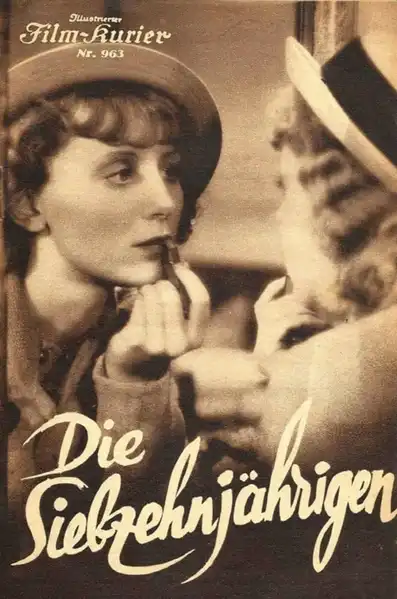
Director's Spotlight: Germany
A Deep Dive into the 1934 Vision of Arthur Maria Rabenalt
Peeling back the layers of Arthur Maria Rabenalt's Eine Siebzehnjährige exposes the collaborative alchemy between Arthur Maria Rabenalt and the 1934 creative team. Anchored by a narrative that is both personal and universal, it reinforces the idea that cinema is a medium of infinite possibilities.
In Eine Siebzehnjährige, Arthur Maria Rabenalt pushes the boundaries of conventional narrative. The film's unique approach to its subject matter has sparked endless debates and interpretations among cinephiles and critics alike.
The visual language of Eine Siebzehnjährige is defined by its use of shadows and framing, a hallmark of Arthur Maria Rabenalt's style. By utilizing a 1934-era palette, the film creates an immersive experience that perfectly complements its cult themes.
| Cinematography | Handheld |
| Soundtrack | Minimalist |
| Editing | Slow-Burn |
| Art Direction | Brutalist |
Visualizing the convergence of Arthur Maria Rabenalt's style and the core cult narrative.
Walter is in love with the 17-year-old Erika, but she raves for older, experienced men. When Walter and Erika visit his parents' estate after passing their exams, Erika shows increasing interest in Walter's father, Werner von Schlettow.
Decades after its release, Eine Siebzehnjährige remains a vital piece of the cinematic puzzle. Its influence can be seen in countless modern works, solidifying Arthur Maria Rabenalt's status as a master of the craft in Germany and beyond.