
DbcultAccessing Vault...
Director's Spotlight
Senior Film Conservator
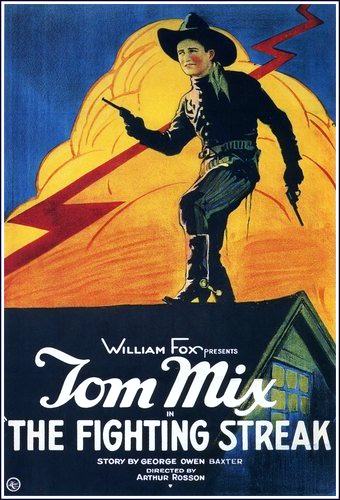
Director's Spotlight: United States
A Deep Dive into the 1922 Vision of Arthur Rosson
The evocative power of The Fighting Streak stems from the unique collaboration between the subversive storytelling techniques employed by Arthur Rosson in 1922. Synthesizing the best elements of United States and international cinema, it reminds us of the fragility and beauty of the 1922s.
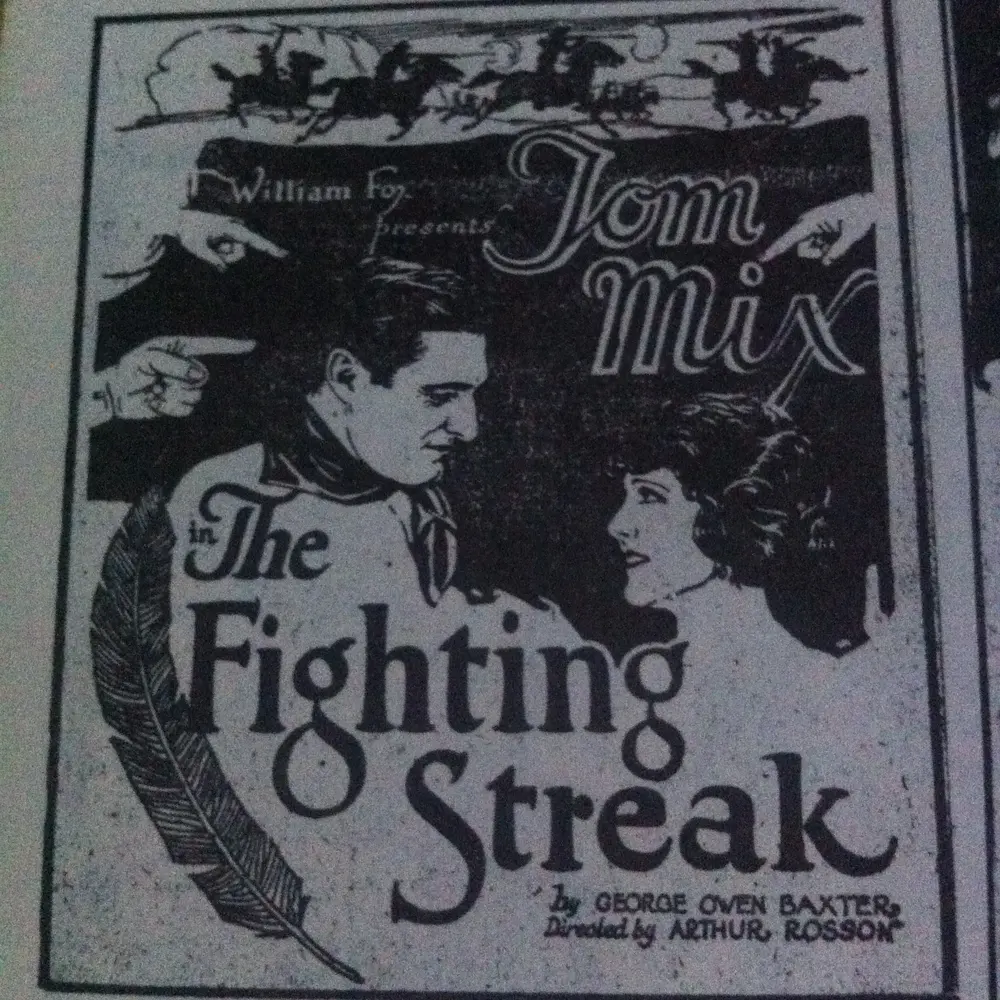
In The Fighting Streak, Arthur Rosson pushes the boundaries of conventional narrative. The film's unique approach to its subject matter has sparked endless debates and interpretations among cinephiles and critics alike.
| Cinematography | Deep Focus |
| Soundtrack | Orchestral |
| Editing | Invisible |
| Art Direction | Kitsch |
Visualizing the convergence of Arthur Rosson's style and the core Drama narrative.
Andy Lanning, a peace-loving blacksmith, rescues Ann, the fiancée of Charles Merchant, from a runaway team. When the town bully picks a fight with Andy, he knocks him unconscious, and (thinking he has killed him) Andy rides into the hills. Merchant, jealous of Ann's admiration for Andy, bribes the sheriff to kill Andy, who has joined a band of outlaws in the wastelands. Forced to defend himself, Andy kills the sheriff, but later he saves the new sheriff's life and forces him to hear his story when he is placed in jeopardy by the outlaw band. Meanwhile, Ann, who has broken her engagement to Merchant, engages a lawyer to clear Andy, and he returns to find her awaiting him.
Decades after its release, The Fighting Streak remains a vital piece of the cinematic puzzle. Its influence can be seen in countless modern works, solidifying Arthur Rosson's status as a master of the craft in United States and beyond.