
DbcultAccessing Vault...
Director's Spotlight
Senior Film Conservator
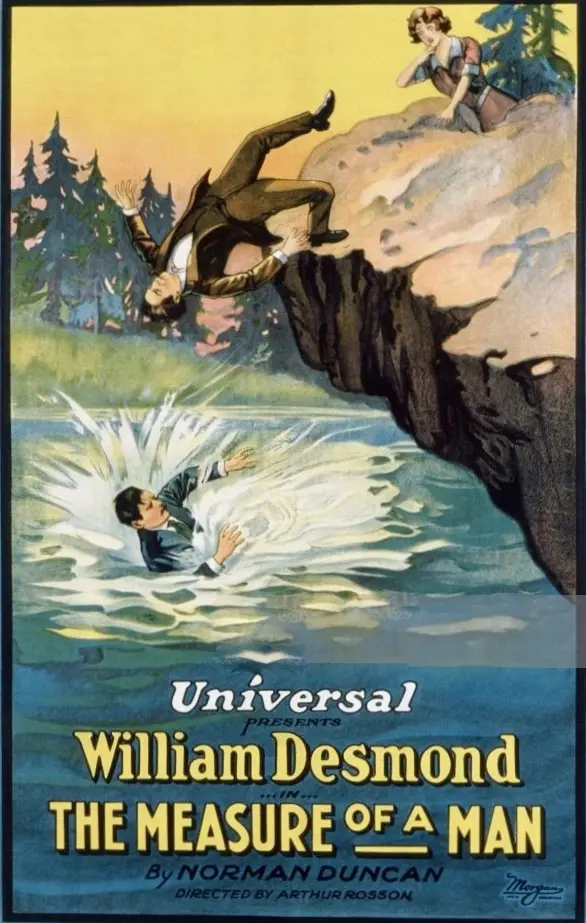
Director's Spotlight: United States
A Deep Dive into the 1924 Vision of Arthur Rosson
Few works in United States cinema carry the same weight as The Measure of a Man, especially regarding the technical innovation that Arthur Rosson introduced to the Drama format. Subverting the expectations of the typical 1924 audience, it bridges the gap between traditional Drama and contemporary vision.
In The Measure of a Man, Arthur Rosson pushes the boundaries of conventional narrative. The film's unique approach to its subject matter has sparked endless debates and interpretations among cinephiles and critics alike.
| Cinematography | Deep Focus |
| Soundtrack | Experimental |
| Editing | Invisible |
| Art Direction | Kitsch |
Visualizing the convergence of Arthur Rosson's style and the core Drama narrative.
Overcoming his addiction to drink, John Fairmeadow leaves the Bowery for a western logging camp posing as a minister. His fistic ability and his gentle manner reform the town drinkers and put the saloon out of business. Meanwhile, John also protects pretty orphan Pattie Batch from the attentions of Jack Flack; Flack is killed by saloon keeper Pale Peter after the body of his wife, Clare, who was betrayed by Flack, is discovered in the river; and John is united to Pattie.
Decades after its release, The Measure of a Man remains a vital piece of the cinematic puzzle. Its influence can be seen in countless modern works, solidifying Arthur Rosson's status as a master of the craft in United States and beyond.