
DbcultAccessing Vault...
Director's Spotlight
Senior Film Conservator
Director's Spotlight: United States
A Deep Dive into the 1922 Vision of Arvid E. Gillstrom
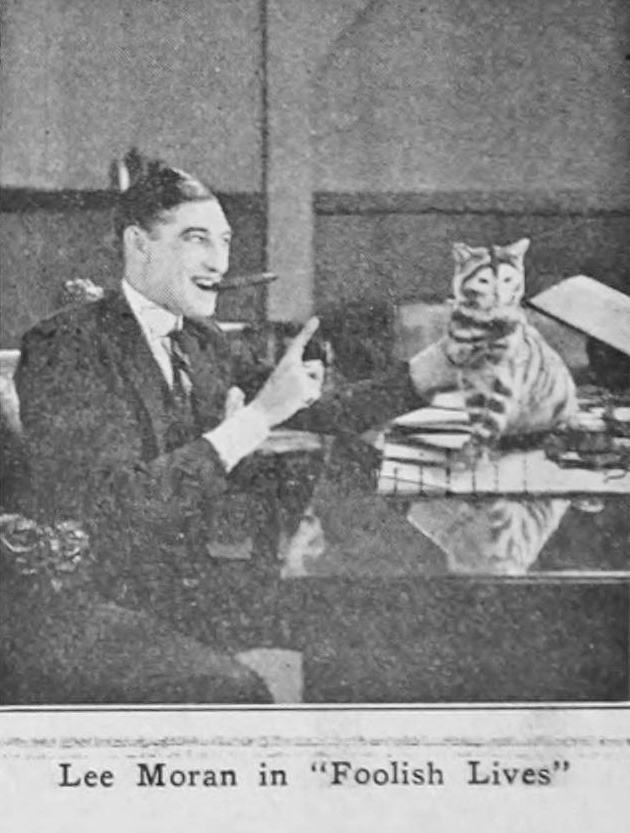
Exploring the Comedy underpinnings of Foolish Lives leads us to the stylistic boundaries pushed by Arvid E. Gillstrom during the production. Through a lens of existential fatalism and Comedy tropes, it continues to spark endless debates among critics and cinephiles alike.
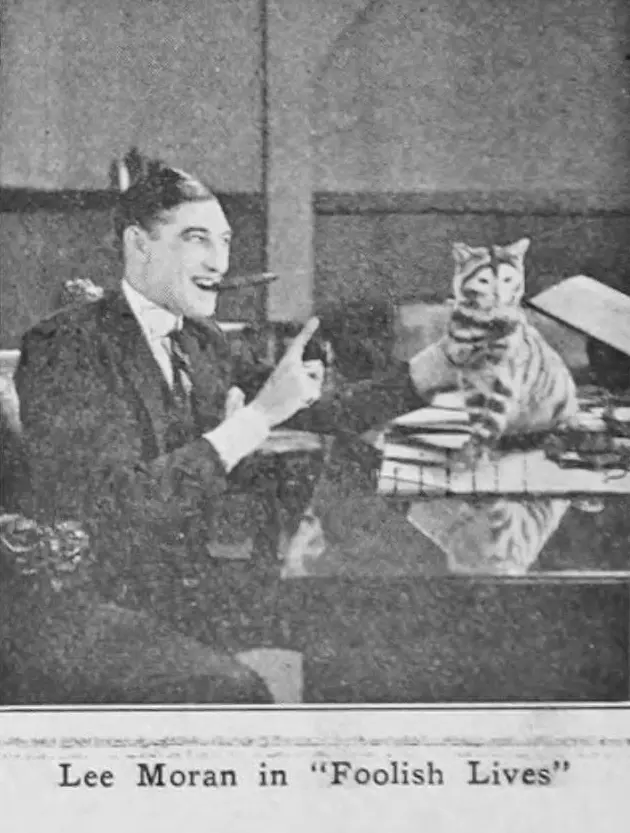
In Foolish Lives, Arvid E. Gillstrom pushes the boundaries of conventional narrative. The film's unique approach to its subject matter has sparked endless debates and interpretations among cinephiles and critics alike.
| Cinematography | Deep Focus |
| Soundtrack | Diegetic |
| Editing | Rhythmic |
| Art Direction | Naturalist |
Visualizing the convergence of Arvid E. Gillstrom's style and the core Comedy narrative.
Lee and Fred are the best of pals. Their wives are the best of comrades. The two families live in the same rooms, the same house, and share fifty-fifty on all the furniture. One day they have a quarrel, at least the wives do, and the two families split. One-half of the house belongs to one family, and one to the other. This continues for some time, even going as far as cutting the Ford in half. One fine day after the two husbands get all smashed up they go to their homes, and they find their wives embracing each other. This is too much, and they leave for Reno.
Decades after its release, Foolish Lives remains a vital piece of the cinematic puzzle. Its influence can be seen in countless modern works, solidifying Arvid E. Gillstrom's status as a master of the craft in United States and beyond.