
DbcultAccessing Vault...
Director's Spotlight
Senior Film Conservator
Director's Spotlight: United States
A Deep Dive into the 1922 Vision of Arvid E. Gillstrom
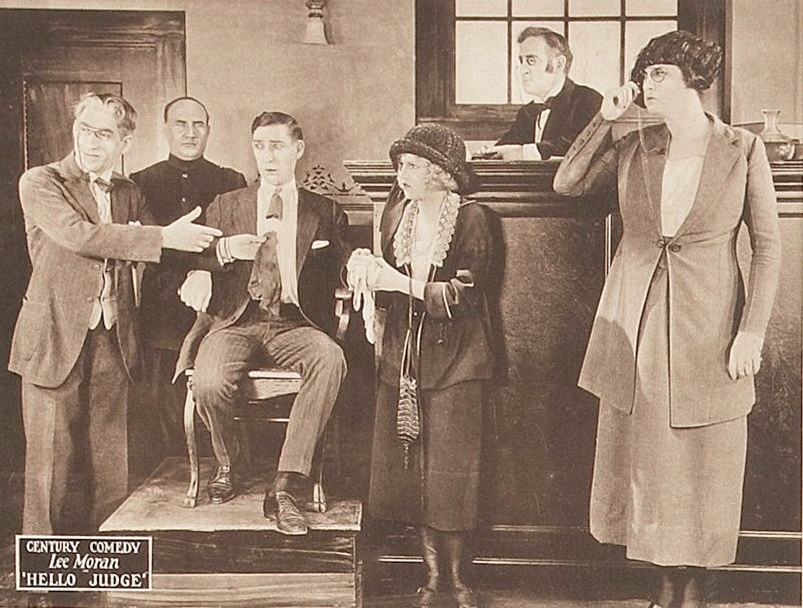
The 1922 release of Hello, Judge marked a significant moment for the enduring legacy of Arvid E. Gillstrom's artistic contribution to the genre. By challenging the status quo of 1922 cinema, it has cemented its place in the global cult cinema archive.
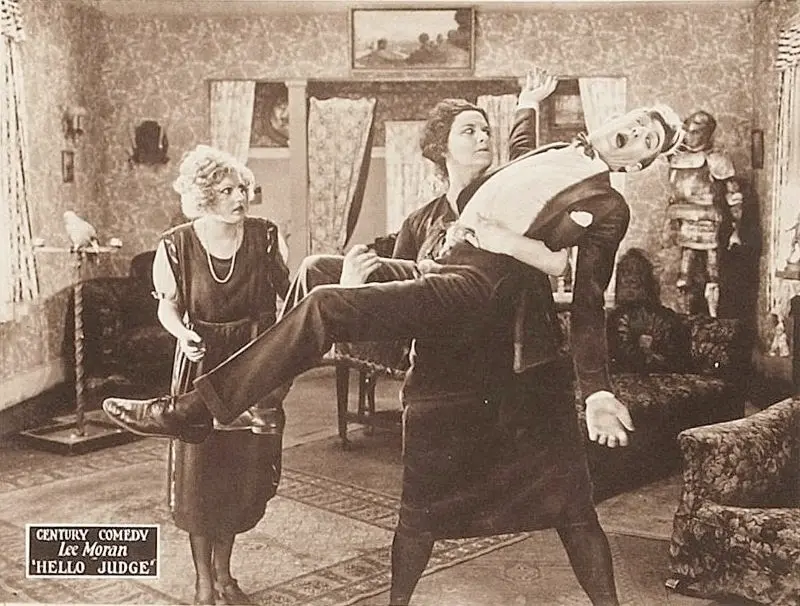
In Hello, Judge, Arvid E. Gillstrom pushes the boundaries of conventional narrative. The film's unique approach to its subject matter has sparked endless debates and interpretations among cinephiles and critics alike.
| Cinematography | Noir-Inspired |
| Soundtrack | Experimental |
| Editing | Invisible |
| Art Direction | Kitsch |
Visualizing the convergence of Arvid E. Gillstrom's style and the core Short narrative.
Lee is being tried for his cruel treatment of his mother-in-law. He is supposed to have choked, bound and gagged her and done away with her parrot Clementina. Even the jury shed tears at the sad tale. Lee is sentenced to twenty-five years hard labor, and he is so happy he kisses the judge and shakes hands with the prosecuting attorney. Then he tells the judge how his mother-in-law abused him, and how the parrot followed him day and night. When Lee gets through with his story, the Judge lets him go and forces the mother-in-law to abdicate with her parrot which flies into the courtroom and hides behind the flag for protection.
Decades after its release, Hello, Judge remains a vital piece of the cinematic puzzle. Its influence can be seen in countless modern works, solidifying Arvid E. Gillstrom's status as a master of the craft in United States and beyond.