
DbcultAccessing Vault...
Director's Spotlight
Senior Film Conservator
Director's Spotlight: United States
A Deep Dive into the 1924 Vision of Arvid E. Gillstrom
In the storied career of Arvid E. Gillstrom, Poor Kid stands as a the provocative questions that Arvid E. Gillstrom poses to the United States audience. Elevating the source material through Arvid E. Gillstrom's unique vision, it persists as a haunting reminder of our own cinematic history.
In Poor Kid, Arvid E. Gillstrom pushes the boundaries of conventional narrative. The film's unique approach to its subject matter has sparked endless debates and interpretations among cinephiles and critics alike.
To fully appreciate Poor Kid, one must consider the cinematic climate of 1924. During this period, United States was undergoing significant artistic shifts, and Arvid E. Gillstrom was at the forefront of this Comedy movement, often challenging established norms.
| Cinematography | Static |
| Soundtrack | Diegetic |
| Editing | Elliptical |
| Art Direction | Expressionist |
Visualizing the convergence of Arvid E. Gillstrom's style and the core Comedy narrative.
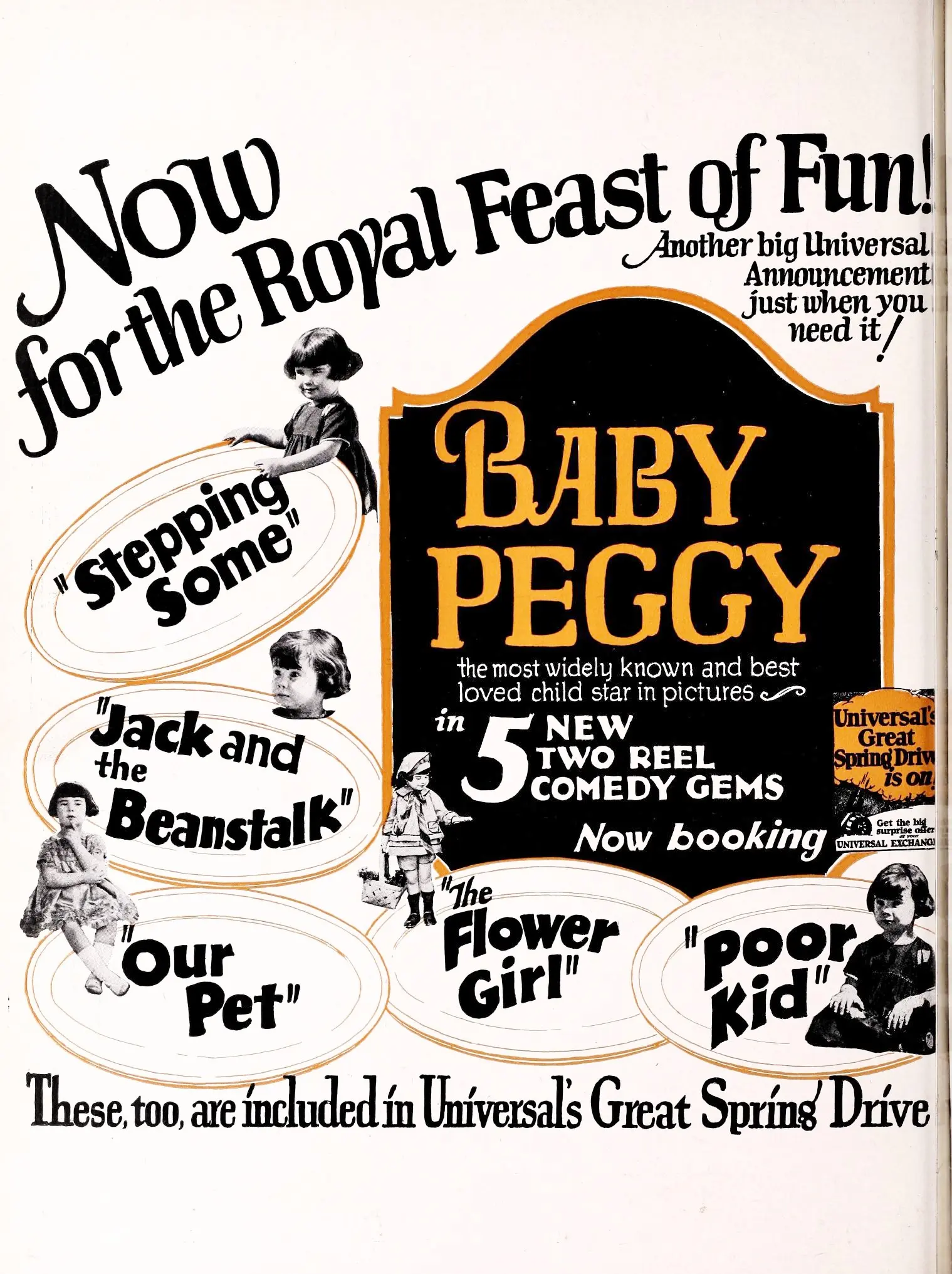
Peggy and her father are thrown out on the street by a heartless landlord. They go to the park and find a nice, hard bench to lie on. Pal, their dog, tramps along with them. The park officer does everything in his power to get Peggy and her father to move away, but Peggy is always frustrating his heartless plans. In the park two robbers are looking over their spoils. Peggy, who has been dodging the cop, chances upon them. They throw the spoils over in the comer of a bush when they see the officer, and Peggy picks up the bag and walks off with it. The cop follows the crooks, who are following Peggy - and before they know it they all have walked into the station-house. The crooks are arrested, the jewels are found and Peggy receives a worthy reward.
Decades after its release, Poor Kid remains a vital piece of the cinematic puzzle. Its influence can be seen in countless modern works, solidifying Arvid E. Gillstrom's status as a master of the craft in United States and beyond.