
DbcultAccessing Vault...
Director's Spotlight
Senior Film Conservator
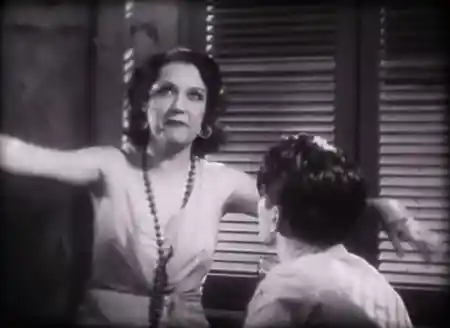
Director's Spotlight: United States
A Deep Dive into the 1931 Vision of Aubrey Scotto
To understand the modern evolution of United States film, one must first look at Be Like Me and the meticulous attention to detail that Aubrey Scotto applied to every frame. Reflecting the political and social shifts of the 1931s, it showcases the power of Romance as a tool for social commentary.
In Be Like Me, Aubrey Scotto pushes the boundaries of conventional narrative. The film's unique approach to its subject matter has sparked endless debates and interpretations among cinephiles and critics alike.
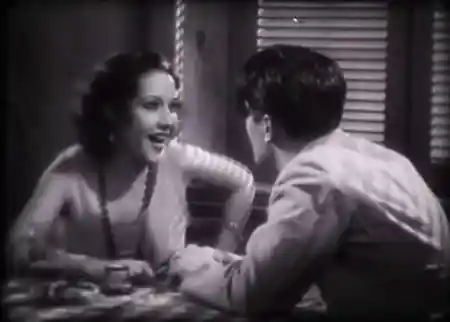
To fully appreciate Be Like Me, one must consider the cinematic climate of 1931. During this period, United States was undergoing significant artistic shifts, and Aubrey Scotto was at the forefront of this Romance movement, often challenging established norms.
| Cinematography | Static |
| Soundtrack | Diegetic |
| Editing | Elliptical |
| Art Direction | Expressionist |
Visualizing the convergence of Aubrey Scotto's style and the core Romance narrative.
Ethel runs a run down saloon in Nicaragua. Word arrives that the soldiers are pulling out, and most of the American miners and all of the women must ship out on a vessel bound for San Francisco, but her boyfriend has been ordered to remain.
Decades after its release, Be Like Me remains a vital piece of the cinematic puzzle. Its influence can be seen in countless modern works, solidifying Aubrey Scotto's status as a master of the craft in United States and beyond.