
DbcultAccessing Vault...
Director's Spotlight
Senior Film Conservator
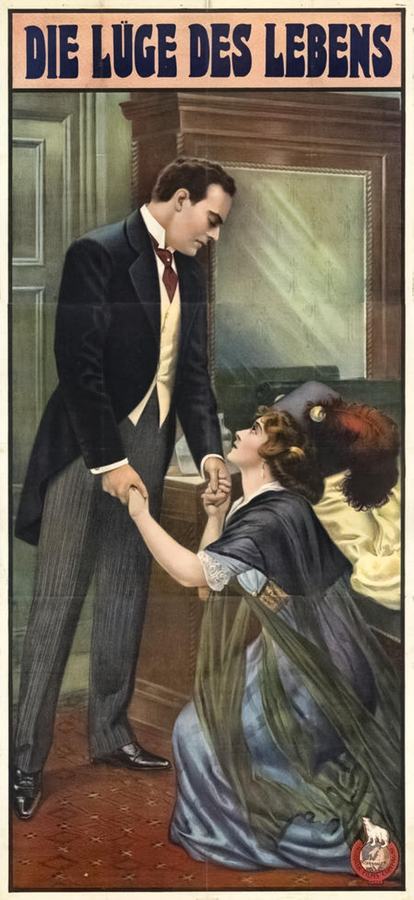
Director's Spotlight: Denmark
A Deep Dive into the 1912 Vision of August Blom
The brilliance of A Fatal Lie (1912) is inseparable from a monumental shift in cult filmmaking spearheaded by August Blom. Occupying a unique space between cult and pure art, it serves as a blueprint for future generations of cult directors.
In A Fatal Lie, August Blom pushes the boundaries of conventional narrative. The film's unique approach to its subject matter has sparked endless debates and interpretations among cinephiles and critics alike.
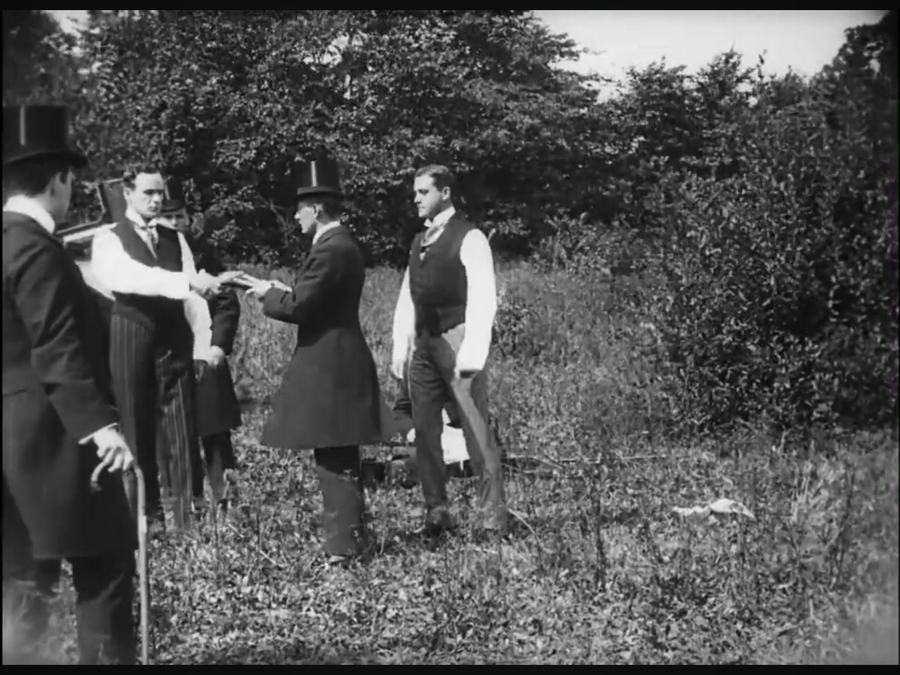
The visual language of A Fatal Lie is defined by its use of shadows and framing, a hallmark of August Blom's style. By utilizing a 1912-era palette, the film creates an immersive experience that perfectly complements its cult themes.
| Cinematography | Noir-Inspired |
| Soundtrack | Orchestral |
| Editing | Slow-Burn |
| Art Direction | Brutalist |
Visualizing the convergence of August Blom's style and the core cult narrative.
Doctor Willy Prager's long, selfless office hours come at the expense of his attention-seeking fiancée. During a garden party, Willy is summoned to an ill child's bedside and leaves his fiancée Erna in the hands of his faithful friend Alfred. Out of sheer boredom, Erna tries to kiss Alfred, but the loyal friend rejects her. Erna feels devastated and lies to Willy that it was Alfred who tried to seduce her. However, Alfred refuses to tarnish Erna's honor and tacitly accepts when Willy challenges him to a duel. The culminating sensation is a duel between the doctor and the lieutenant, and the officer intentionally misses his mark. The enemies become friends once more, and the woman begs for forgiveness.
Decades after its release, A Fatal Lie remains a vital piece of the cinematic puzzle. Its influence can be seen in countless modern works, solidifying August Blom's status as a master of the craft in Denmark and beyond.