
DbcultAccessing Vault...
Director's Spotlight
Senior Film Conservator
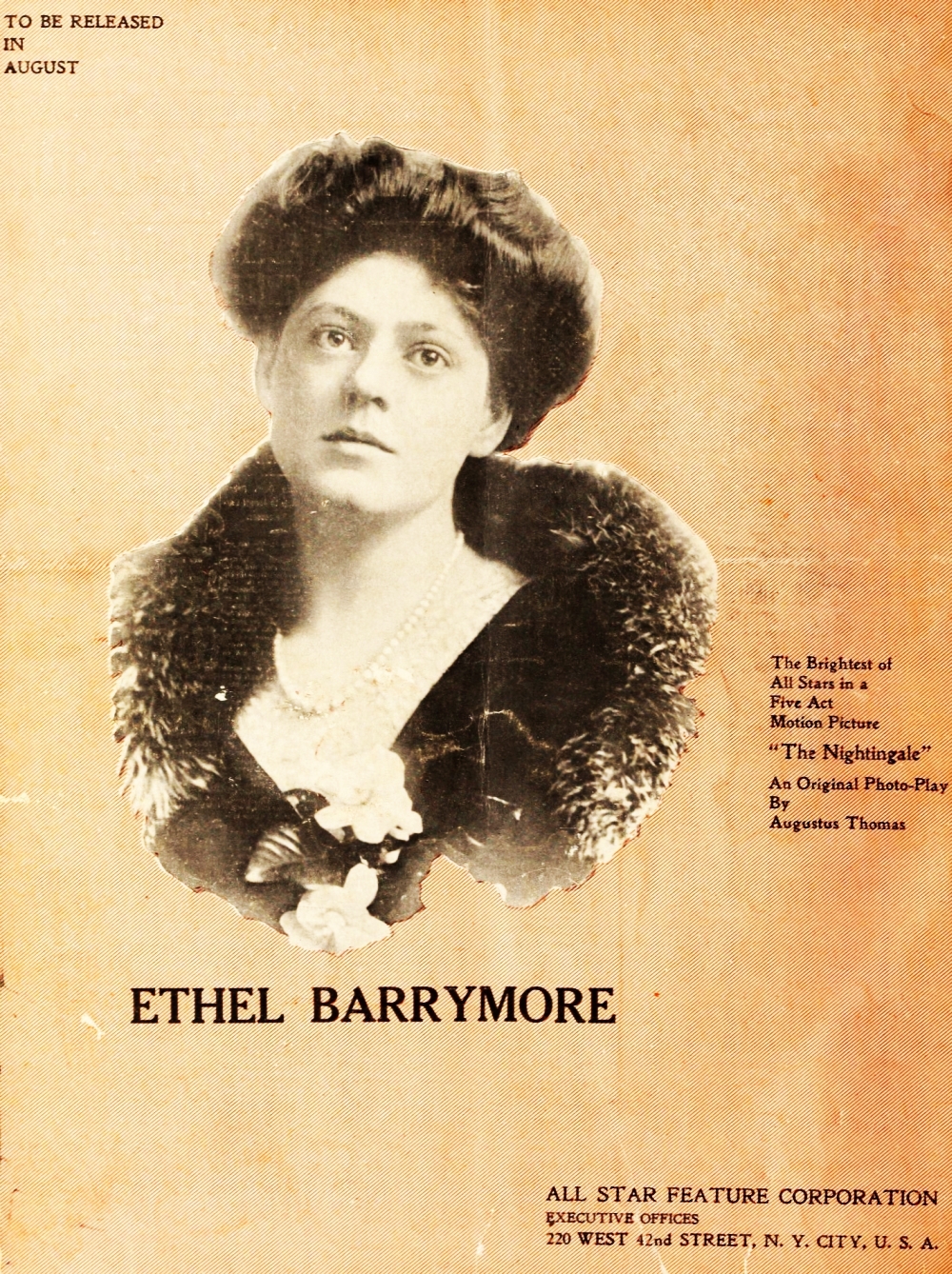
Director's Spotlight: United States
A Deep Dive into the 1914 Vision of Augustus Thomas
Analyzing The Nightingale (1914) requires a deep dive into the defining moment in cult history that Augustus Thomas helped create. Defining a new era of United States artistic expression, it transcends regional boundaries to tell a universal story.
In The Nightingale, Augustus Thomas pushes the boundaries of conventional narrative. The film's unique approach to its subject matter has sparked endless debates and interpretations among cinephiles and critics alike.
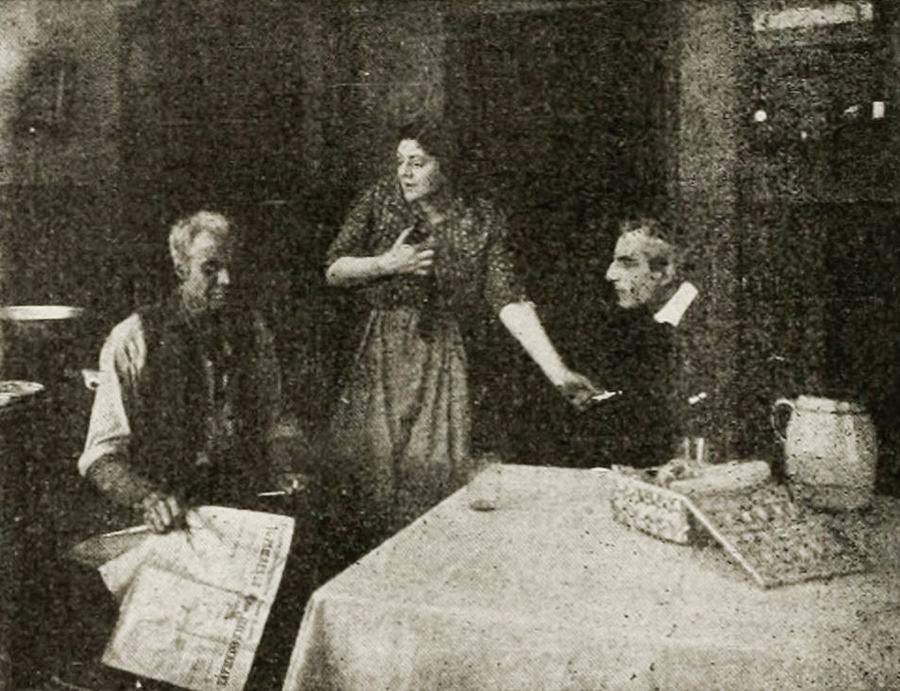
In this work, Augustus Thomas explores the intersection of cult and United States cultural identity. The meticulous attention to detail suggests a deep-seated commitment to pushing the boundaries of the medium, ensuring that The Nightingale remains a relevant topic of study for cult enthusiasts.
| Cinematography | Static |
| Soundtrack | Minimalist |
| Editing | Slow-Burn |
| Art Direction | Brutalist |
Visualizing the convergence of Augustus Thomas's style and the core cult narrative.
Franti, an organ grinder of the poor districts of New York, has a daughter, Isola, who sings to his street piano's accompaniment. Andrea, a worthless son, and a member of the notorious "Red Galvin Gang," is a great burden on his father and sister. Nathan Marden, a wealthy banker, is attracted by the wonderful voice of Isola, the street singer, as is his son Charles Marden. Andrea, the worthless son, upon refusal of his continual demand for money, is overheard complaining by the gang, who send his father a black-hand letter, threatening destruction if their demands are refused. Charles Marden, unable to forget the street singer's wonderful voice and attractive appearance, solicits his friend David Mantz, a vocal instructor, to help him find the unknown artist. Mantz locates Isola and offers her vocal training, but her father will not hear of it, and she reluctantly declines. Franti, refusing the demands of the black banders, is killed by a bomb, and Isola and Andrea left alone divide their meager inheritance. After her father's death, Isola goes to Mantz and accepts his offer, not knowing that Charles Marden is interested, and is later on sent to Paris to continue her studies with Jean De Resni. The story of her entrance to the Paris opera stage, the longed-for opportunity and her success and popularity, are cleverly told on the screen. Charles Marden is present the night of Isola's debut. Enthusiastic over her success, he arranges a dinner party in celebration, and afterward, having partaken a bit too freely, he forces his attentions on Isola, and finally brutally tells her that she owes him everything for her success. Brokenhearted on learning this, she moves, leaving no trace. Meanwhile an offer has been received for her for the Metro Opera of New York. Every nook and corner of Paris are searched and she is finally located in poverty, singing at a cabaret entertainment. She returns to America, and at her debut at the Metro Opera House, Charles Marden endeavors to see her. and meets with refusal. His efforts later on are successful, and love shows the way to a happy marriage. Nathan Marden, the father, refuses his permission, but with the coming of Nathan Marden the second, the happy grandfather forgives. In the meanwhile, the worthless brother, Andrea, goes from bad to worse, and having located Isola by chance, demands money. Later urged by Red Galvin, the gangster, they plot to rob the home of Nathan Marden, Sr., who is killed in the robbery. Galvin is arrested, but Andrea, although wounded, makes his escape. He sends for his sister, and she, while searching for a bandage, discovers a scarf pin which connects Andrea with the robbery. Charles Marden suspects the frequent absence of his wife while nursing her brother, and traces her to Andrea's room where, misunderstanding the situation, he denounces her. He takes their son and leaves home, vowing never to return. Later, he reads of the death of Andrea Franti, and learns that he is Isola's brother, whereupon their love returns to build for future happiness.
Decades after its release, The Nightingale remains a vital piece of the cinematic puzzle. Its influence can be seen in countless modern works, solidifying Augustus Thomas's status as a master of the craft in United States and beyond.