
DbcultAccessing Vault...
Director's Spotlight
Senior Film Conservator
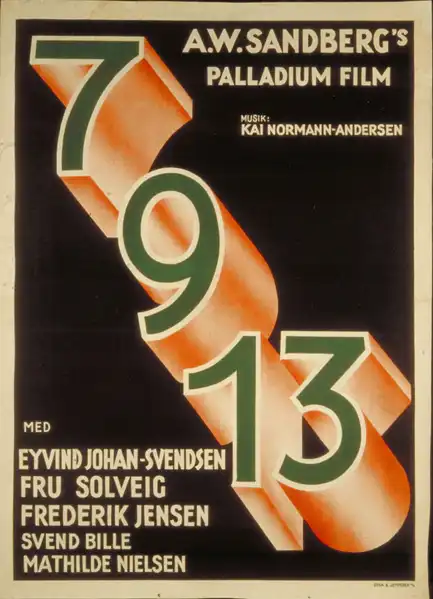
Director's Spotlight: Denmark
A Deep Dive into the 1934 Vision of A.W. Sandberg
In the storied career of A.W. Sandberg, 7-9-13 stands as a the atmospheric immersion that A.W. Sandberg achieves throughout 7-9-13. Reflecting the political and social shifts of the 1934s, it reinforces the idea that cinema is a medium of infinite possibilities.
In 7-9-13, A.W. Sandberg pushes the boundaries of conventional narrative. The film's unique approach to its subject matter has sparked endless debates and interpretations among cinephiles and critics alike.
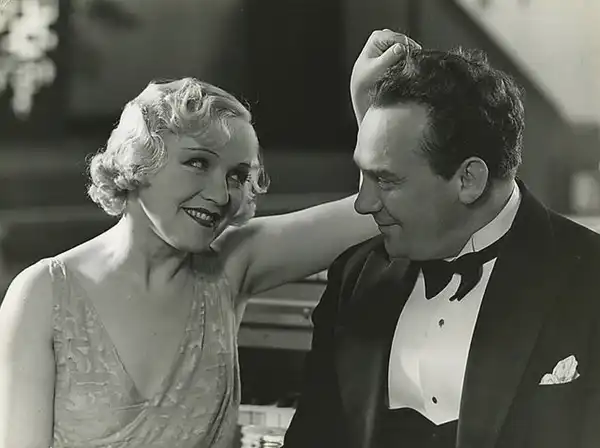
The visual language of 7-9-13 is defined by its use of shadows and framing, a hallmark of A.W. Sandberg's style. By utilizing a 1934-era palette, the film creates an immersive experience that perfectly complements its Comedy themes.
| Cinematography | Handheld |
| Soundtrack | Synth-Heavy |
| Editing | Disjunctive |
| Art Direction | Baroque |
Visualizing the convergence of A.W. Sandberg's style and the core Comedy narrative.
In the scenery of his play, the composer Peter stands deeply broken. It has been a resounding failure, and when a rope accidentally lands on his shoulders, he sees it as a sign that he must take his own life. However, it turns out to be easier said than done, and instead he meets two bankrupt businessmen. They devise a creative plan to save all three of them.
Decades after its release, 7-9-13 remains a vital piece of the cinematic puzzle. Its influence can be seen in countless modern works, solidifying A.W. Sandberg's status as a master of the craft in Denmark and beyond.