
DbcultAccessing Vault...
Director's Spotlight
Senior Film Conservator
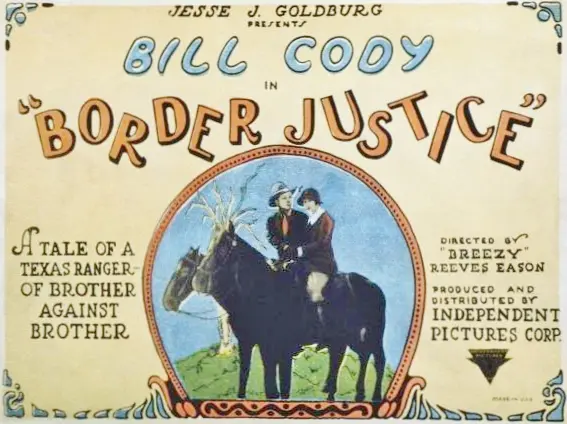
Director's Spotlight: United States
A Deep Dive into the 1924 Vision of B. Reeves Eason
The 1924 release of Border Justice marked a significant moment for the enduring legacy of B. Reeves Eason's artistic contribution to the genre. By challenging the status quo of 1924 cinema, it has cemented its place in the global cult cinema archive.
In Border Justice, B. Reeves Eason pushes the boundaries of conventional narrative. The film's unique approach to its subject matter has sparked endless debates and interpretations among cinephiles and critics alike.
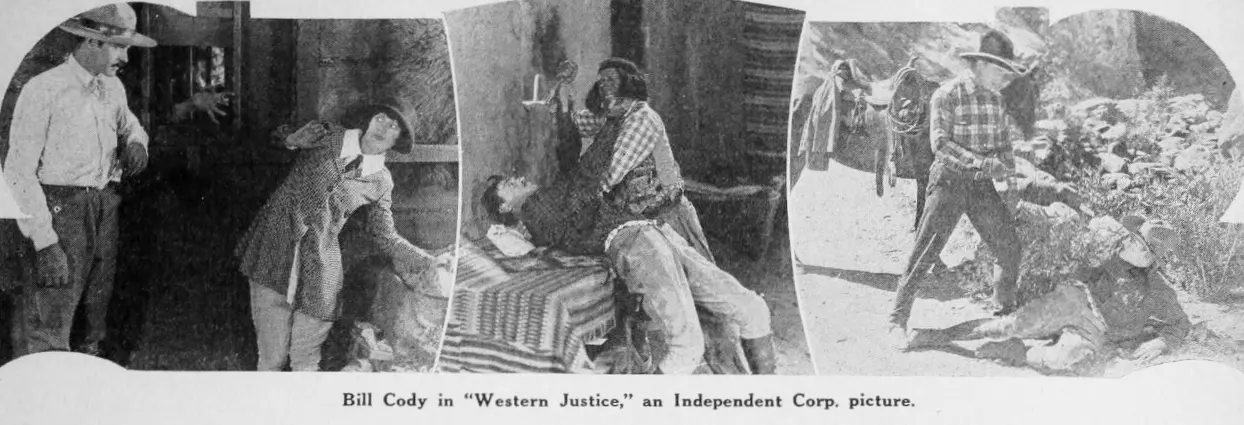
While deeply rooted in United States, Border Justice has achieved a global reach, influencing directors from various backgrounds. Its ability to translate Western tropes into a universal cinematic language is why it remains a cult staple decades after its 1924 release.
| Cinematography | Deep Focus |
| Soundtrack | Synth-Heavy |
| Editing | Rhythmic |
| Art Direction | Naturalist |
Visualizing the convergence of B. Reeves Eason's style and the core Western narrative.
Texas Ranger Joe Wellard is assigned to bring in an outlaw known as Phillip Gerard, who turns out to be Joe's brother using an assumed name. Phillip is apparently killed when he falls over a cliff in a struggle with Joe. Later, Joe discovers that Texas Ranger Captain Robert Maitland is allowing Angus Bland, a notorious gang-leader, to move illegal goods across the Mexican border, because he is indebted to him for his daughter's education. Joe is in love with the daughter, Mary. Joe resigns from the Rangers and goes after Bland, who has kidnapped Mary. Along the way, he finds that his brother is still alive.
Decades after its release, Border Justice remains a vital piece of the cinematic puzzle. Its influence can be seen in countless modern works, solidifying B. Reeves Eason's status as a master of the craft in United States and beyond.