
DbcultAccessing Vault...
Director's Spotlight
Senior Film Conservator
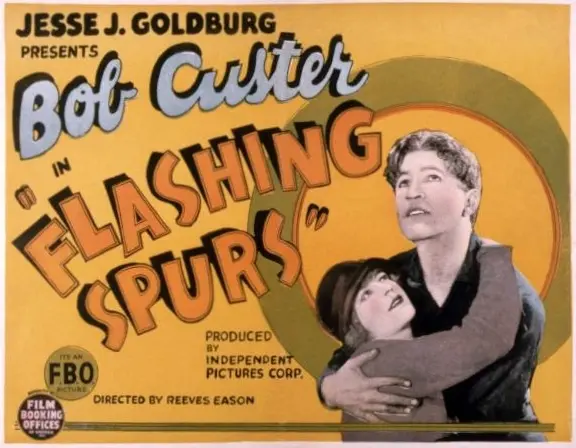
Director's Spotlight: United States
A Deep Dive into the 1924 Vision of B. Reeves Eason
Analyzing Flashing Spurs (1924) requires a deep dive into the defining moment in Drama history that B. Reeves Eason helped create. Defining a new era of United States artistic expression, it transcends regional boundaries to tell a universal story.
In Flashing Spurs, B. Reeves Eason pushes the boundaries of conventional narrative. The film's unique approach to its subject matter has sparked endless debates and interpretations among cinephiles and critics alike.
The visual language of Flashing Spurs is defined by its use of shadows and framing, a hallmark of B. Reeves Eason's style. By utilizing a 1924-era palette, the film creates an immersive experience that perfectly complements its Drama themes.
| Cinematography | High-Contrast |
| Soundtrack | Diegetic |
| Editing | Rhythmic |
| Art Direction | Naturalist |
Visualizing the convergence of B. Reeves Eason's style and the core Drama narrative.
A Texas Ranger believes a pretty young girl is involved with a gang of bank robbers and goes after her. It turns out that she isn't, but she is indirectly involved with them.
Decades after its release, Flashing Spurs remains a vital piece of the cinematic puzzle. Its influence can be seen in countless modern works, solidifying B. Reeves Eason's status as a master of the craft in United States and beyond.