
DbcultAccessing Vault...
Director's Spotlight
Senior Film Conservator
Director's Spotlight: United States
A Deep Dive into the 1924 Vision of B. Reeves Eason
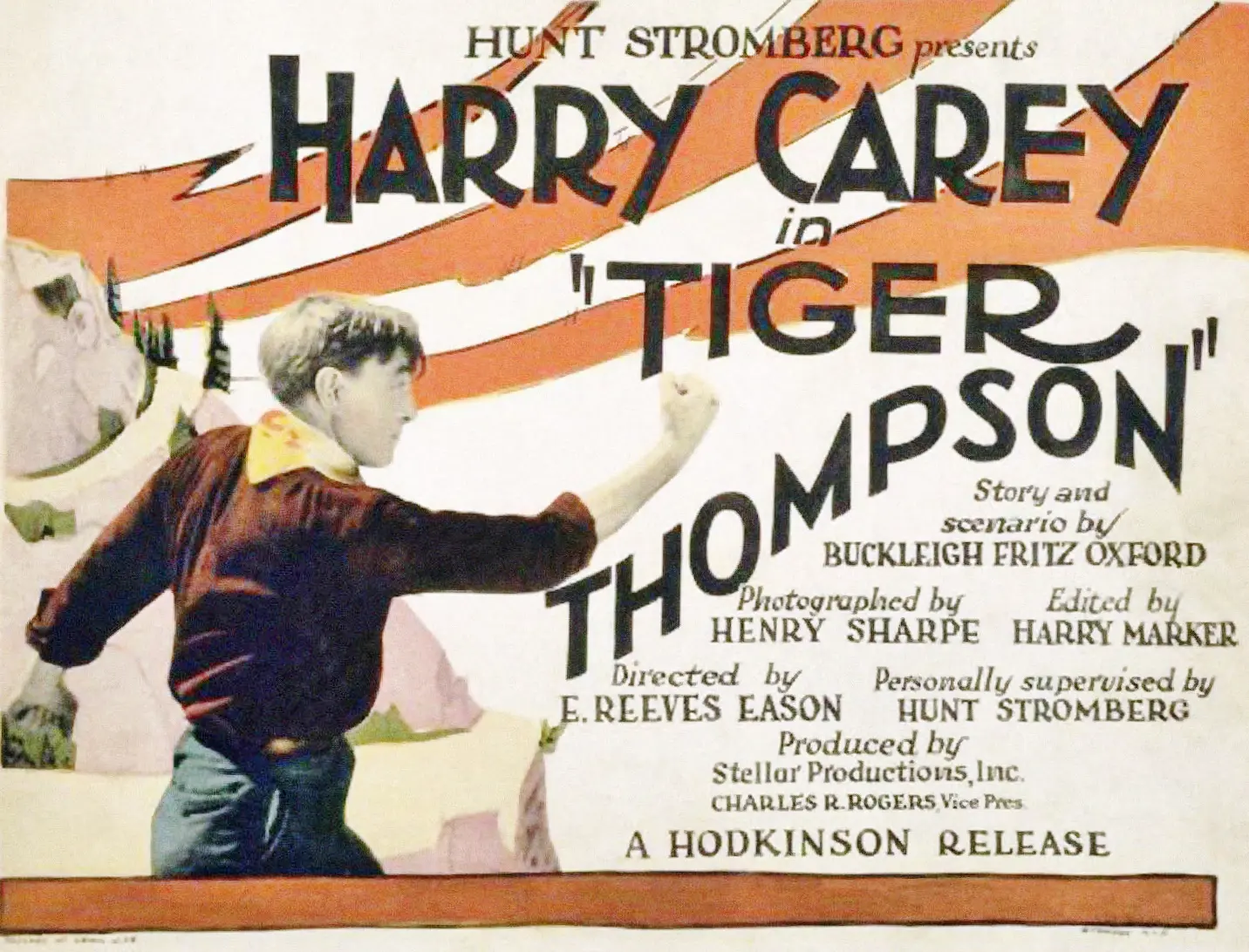
The artistic breakthrough represented by Tiger Thompson in 1924 highlights the uncompromising vision of B. Reeves Eason that defines this Western masterpiece. In the context of United States's rich cinematic history, it captures a specific kind of cinematic magic that is rarely replicated.
In Tiger Thompson, B. Reeves Eason pushes the boundaries of conventional narrative. The film's unique approach to its subject matter has sparked endless debates and interpretations among cinephiles and critics alike.
To fully appreciate Tiger Thompson, one must consider the cinematic climate of 1924. During this period, United States was undergoing significant artistic shifts, and B. Reeves Eason was at the forefront of this Western movement, often challenging established norms.
| Cinematography | Static |
| Soundtrack | Experimental |
| Editing | Invisible |
| Art Direction | Kitsch |
Visualizing the convergence of B. Reeves Eason's style and the core Western narrative.
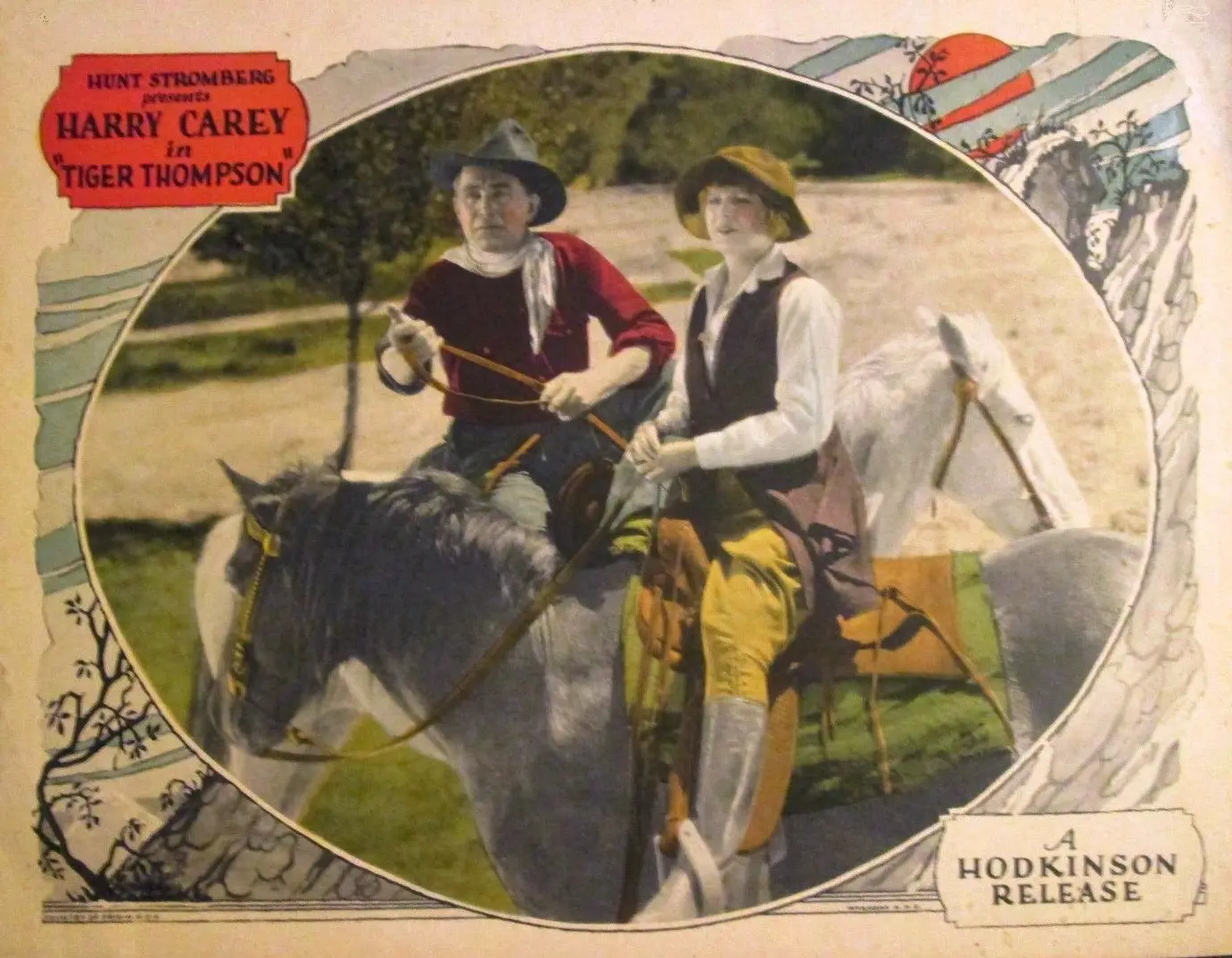
Embittered because he has been dispossessed of a claim, Tiger Bill Thompson learns from a dying bandit about a hidden cache of plunder, but the man's heir has the map containing instructions where to find it. Tiger hires on to a neighboring ranch and sets out to steal the money, but when he discovers that the heir is young Ethel Brannon, Tiger has a change of heart. He falls in love with Ethel, and tries to foil the efforts of her father's gang, which also wants the loot. After many fist fights, shootouts, and riding stunts, Tiger Bill wins Ethel's love.
Decades after its release, Tiger Thompson remains a vital piece of the cinematic puzzle. Its influence can be seen in countless modern works, solidifying B. Reeves Eason's status as a master of the craft in United States and beyond.