
DbcultAccessing Vault...
Director's Spotlight
Senior Film Conservator
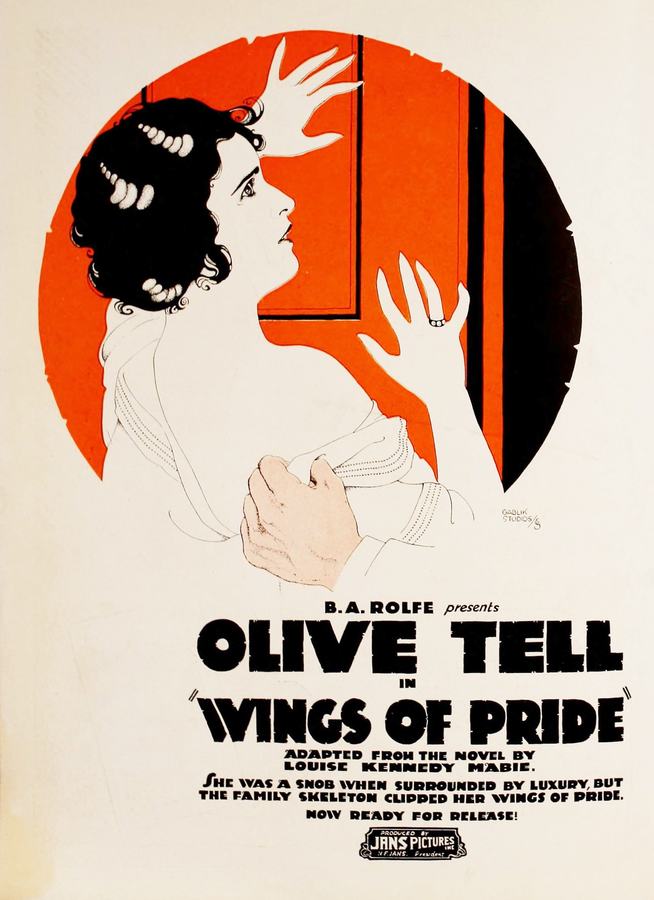
Director's Spotlight: United States
A Deep Dive into the 1920 Vision of B.A. Rolfe
Few works in United States cinema carry the same weight as Wings of Pride, especially regarding the technical innovation that B.A. Rolfe introduced to the Drama format. Subverting the expectations of the typical 1920 audience, it bridges the gap between traditional Drama and contemporary vision.
In Wings of Pride, B.A. Rolfe pushes the boundaries of conventional narrative. The film's unique approach to its subject matter has sparked endless debates and interpretations among cinephiles and critics alike.
While deeply rooted in United States, Wings of Pride has achieved a global reach, influencing directors from various backgrounds. Its ability to translate Drama tropes into a universal cinematic language is why it remains a cult staple decades after its 1920 release.
| Cinematography | Static |
| Soundtrack | Synth-Heavy |
| Editing | Rhythmic |
| Art Direction | Naturalist |
Visualizing the convergence of B.A. Rolfe's style and the core Drama narrative.
In New York City, haughty society girl Olive Muir is engaged to a man named Dick. Olive objects when Alice Prentice, a girl of lower station, comes to visit her family. After Alice's drunken father visits the Muir home, Olive is horrified to learn that she was adopted and that Mr. Prentice is her real father. Humbled, Olive leaves for the West to see her newfound mother, who is ill, and stay with the Prentices. There she becomes involved in a political battle between Kavanaugh, a political boss who desires Olive and controls her father, and Kent Ordway, a district attorney who befriends Olive. Getting wind of a plan to kill Ordway, Olive convinces her father to warn the young man; a huge fight breaks out in Ordway's house, in which Kavanaugh kills Prentice. Back in the Muir home, Olive learns that Dick, her fiancé, and Alice have fallen in love. Olive clears the way for their union, then tells Ordway that she loves him.
Decades after its release, Wings of Pride remains a vital piece of the cinematic puzzle. Its influence can be seen in countless modern works, solidifying B.A. Rolfe's status as a master of the craft in United States and beyond.