
DbcultAccessing Vault...
Director's Spotlight
Senior Film Conservator
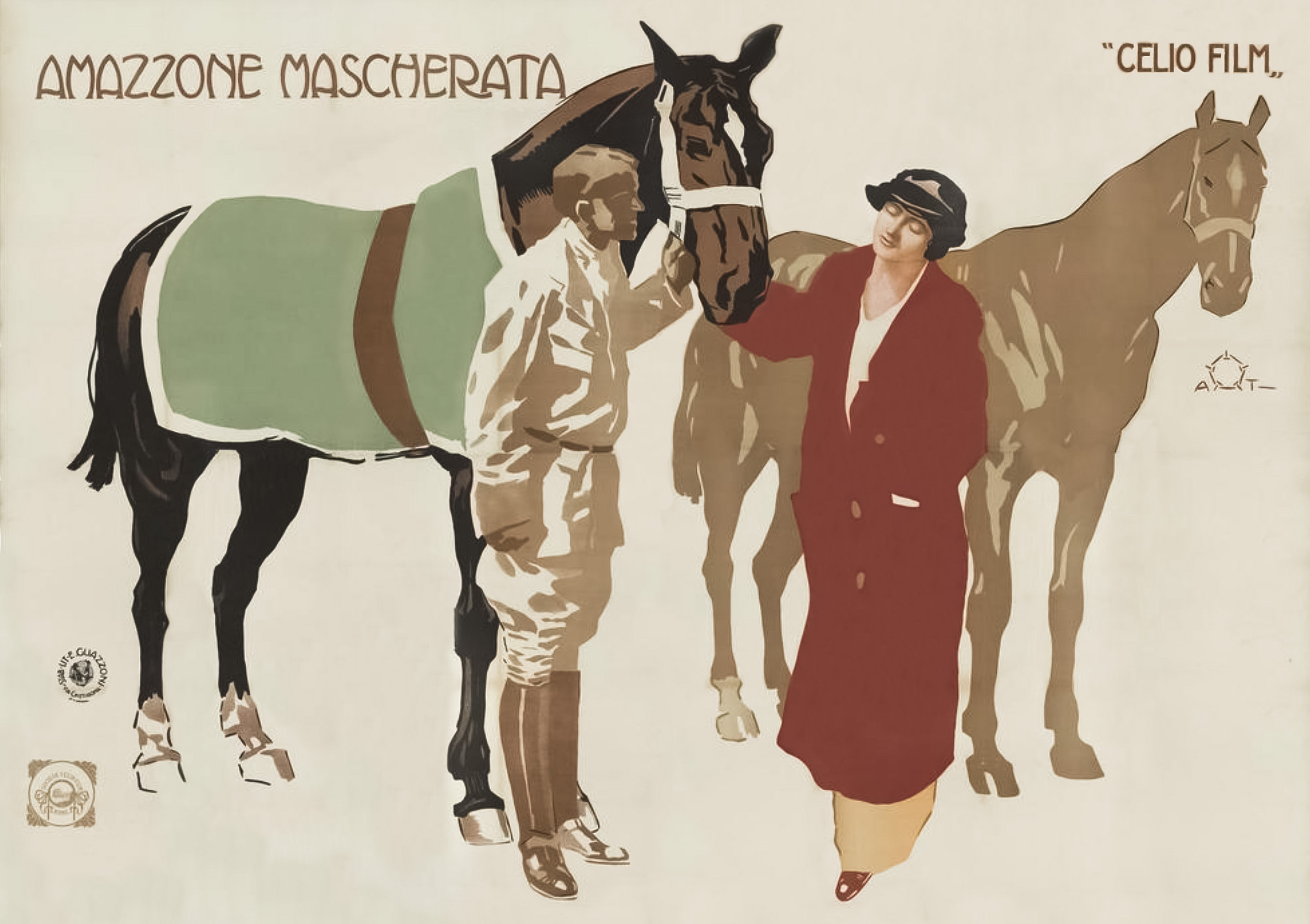
Director's Spotlight: Italy
A Deep Dive into the 1914 Vision of Baldassarre Negroni
To understand the modern evolution of Italy film, one must first look at The Woman Who Dared and the meticulous attention to detail that Baldassarre Negroni applied to every frame. Reflecting the political and social shifts of the 1914s, it showcases the power of cult as a tool for social commentary.
In The Woman Who Dared, Baldassarre Negroni pushes the boundaries of conventional narrative. The film's unique approach to its subject matter has sparked endless debates and interpretations among cinephiles and critics alike.
In this work, Baldassarre Negroni explores the intersection of cult and Italy cultural identity. The meticulous attention to detail suggests a deep-seated commitment to pushing the boundaries of the medium, ensuring that The Woman Who Dared remains a relevant topic of study for cult enthusiasts.
| Cinematography | Deep Focus |
| Soundtrack | Experimental |
| Editing | Elliptical |
| Art Direction | Expressionist |
Visualizing the convergence of Baldassarre Negroni's style and the core cult narrative.
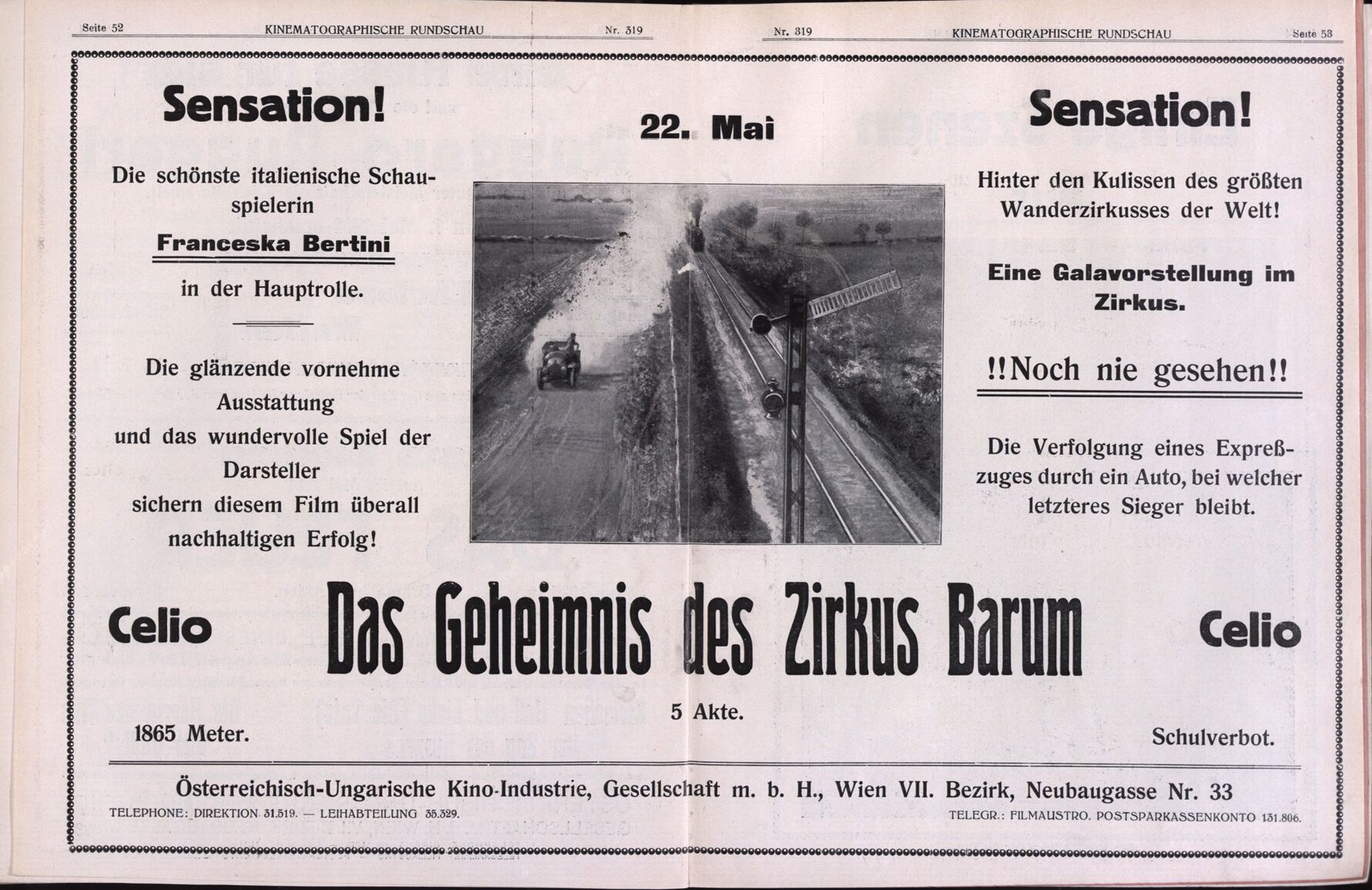
Count Bertrand is an army officer who enjoys the utmost confidence of the military leaders of his country but who nevertheless finds time to devote himself also to the interests of several charitable institutions. He and his wife are always among the first to offer their services when some charity fete is planned, and both being splendid riders, are chosen to take charge of a pretentious society circus designed to raise money for an orphanage. In order to stage the production in professional style, they hire Ivanoff, a circus manager, to assist them. Ivanoff gladly accepts their offer of the commission, not only because of the liberal payment promised, but also because of the fact that he is in reality a spy in the pay of a neighboring power and thinks that through association with the count, he will be able to gain possession of some valuable government secrets. He bides his time and finally, by drugging the count, succeeds in getting into his own hands some maneuver plans which had been entrusted to Bertrand. These he delivers to the prime minister of the hostile power, and Bertrand is arrested on a charge of having sold the information to the enemy. He is convicted on circumstantial evidence and sentenced to twelve years in prison. Countess Bertrand is prostrated by her husband's disgrace, but confident of his innocence, sets herself to find evidence which will set him free. Certain clews lead her to suspect that Ivanoff is the real thief of the plans. To find him is in itself a difficult task, for he has disappeared and left no inkling of his whereabouts behind him. Finally the countess hits upon a plan. She will disguise herself, join a circus and seek for Ivanoff among the haunts of circus people. This she does, and it is not long before the famous "Lady of the Mask," a superb equestrienne who never allows her features to be seen, even by her colleagues, is one of the best known performers in the circus world. The masked rider, of course, is none other than the countess herself. The time the circus with which she is connected plays a long engagement in the hippodrome at the capitol of Rugaria, the country which Ivanoff serves. Alexis, the countess's servant, locates Ivanoff's divorced wife, Nadia, and from her they learn that the spy is in the city, living luxuriously on a large sum of money paid him for the stolen plans, and several days later they see him occupying a box at the hippodrome. Ivanoff is struck with the grace of the masked rider and asks for an introduction, which is granted. The countess, never taking off her mask, leads him on until he invites her to take dinner in his rooms. She accepts, and as they are dining suddenly removes her mask and covers him with a revolver. She forces him to give her the plans and his correspondence with the Rugarian officials and is delighted to find that the papers prove conclusively her husband's innocence. Still covering Ivanoff with the pistol, she makes her escape from the house. In her haste she drops one of the documents, but Alexis, the servant, whom she has left on guard at the door, picks it up and jams it into his pocket. Now that she has the precious proofs, the countess loses no time in leaving the Rugarian capital. Ivanoff, however, has not lost his presence of mind and succeeds in getting a warrant for her arrest. He charters a high-powered motor car and starts for the border at top speed. There is an exciting race between his machine and the train which bears the countess. The auto wins, and when the daring woman reaches the frontier, Ivanoff and a squad of military police are waiting for her at the border station. The papers are taken from her and she is hustled across the border into her own country. She returns heartbroken to her home. Several days later, Alexis, who has follower on another train, arrives and gives her the paper which she dropped in fleeing from Ivanoff's house. It proves to be a letter from the prime minister of Rugaria to the spy and conclusively proves the innocence of the count. This letter, turned over to the military authorities, wins a pardon for Bertrand and brings back happiness to the woman who dared.
Decades after its release, The Woman Who Dared remains a vital piece of the cinematic puzzle. Its influence can be seen in countless modern works, solidifying Baldassarre Negroni's status as a master of the craft in Italy and beyond.