
DbcultAccessing Vault...
Director's Spotlight
Senior Film Conservator
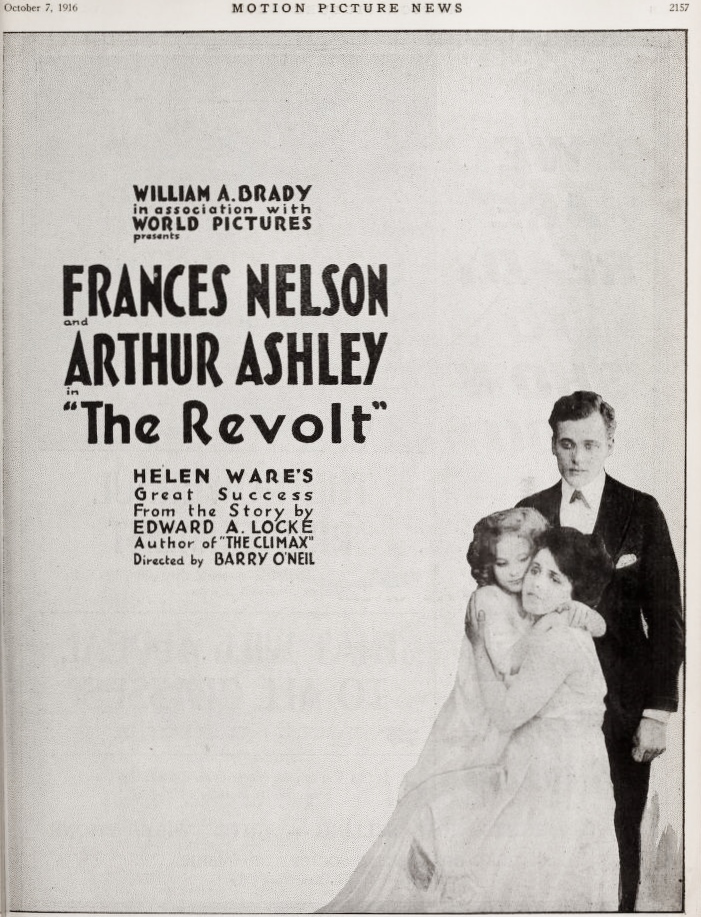
Director's Spotlight: United States
A Deep Dive into the 1916 Vision of Barry O'Neil
The cult DNA of The Revolt is a reflection of United States's the subversive storytelling techniques employed by Barry O'Neil in 1916. Breaking the traditional rules of cult engagement, it leaves an indelible mark on the soul of the viewer.
In The Revolt, Barry O'Neil pushes the boundaries of conventional narrative. The film's unique approach to its subject matter has sparked endless debates and interpretations among cinephiles and critics alike.
While deeply rooted in United States, The Revolt has achieved a global reach, influencing directors from various backgrounds. Its ability to translate cult tropes into a universal cinematic language is why it remains a cult staple decades after its 1916 release.
| Cinematography | Noir-Inspired |
| Soundtrack | Experimental |
| Editing | Invisible |
| Art Direction | Kitsch |
Visualizing the convergence of Barry O'Neil's style and the core cult narrative.
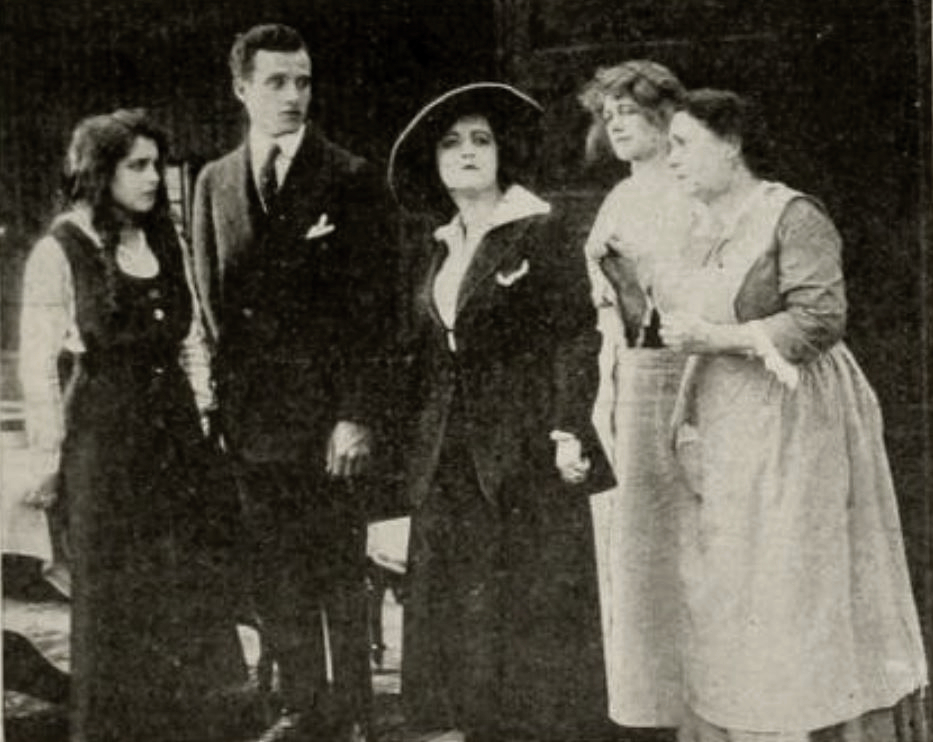
Anna, a young shop girl, is urged by her rather disreputable stepmother, Mrs. Biddle, not to be so particular, to liven up and get presents and favors from rich young fellows. Lena Schmidt, a co-worker at the store, "stands in" with the manager and lies to her mother about the jewels and dresses. Lena's affair is cut short when the proprietors find her telling the manager about her delicate condition. She believes Anna has told on her and threatens revenge for her discharge. Anna attracts the attention of John Stevens, a salesman, who believes her to be like Lena, but when he attempts advances after a dinner, he finds out his mistake. His respect is aroused and he begs Anna to marry him. For a while the young couple are happy, but Mrs. Biddle's nagging gradually gets on John's nerves and he begins to seek amusement outside of his home. Mrs. Biddle tells Anna she is a fool to stand for this treatment; John is having a good time, why doesn't she go out and enjoy herself. Lena, who still harbors a resentment against Anna, plays on the girl's loneliness when she learns from Mrs. Biddle of the conditions in Anna's home. After long miserable waiting for John's homecoming, Anna decides one night to stand it no longer and accepts Lena's invitation to a party. Arrived at Lena's apartment she is somewhat surprised at the people she meets there, and later in the night, when the men arrived to carouse and make free with the girls, she awakes to a full realization of the nature of the party she is attending. She tries to get away, to flee from the repellent advances of the "Deacon," one of the guests, but Lena tells her there is no escape. As the Deacon seizes Anna in his arms the door bursts open and Dr. Goode enters; he had been a sweetheart of Anna's before her marriage and had never ceased to care for her. He had learned of her presence at the party and had determined to ascertain the reason fro it and to save her if possible. Anna gladly goes with him from the place. At home John is watching over Nanny, the little neglected daughter of the unhappy couple. Nanny is ill and is crying for her mother. He is overjoyed when Dr. Goode leads Anna in. Explanations and reconciliation follow and over their baby's bed they plan for a new and better life.
Decades after its release, The Revolt remains a vital piece of the cinematic puzzle. Its influence can be seen in countless modern works, solidifying Barry O'Neil's status as a master of the craft in United States and beyond.