
DbcultAccessing Vault...
Director's Spotlight
Senior Film Conservator
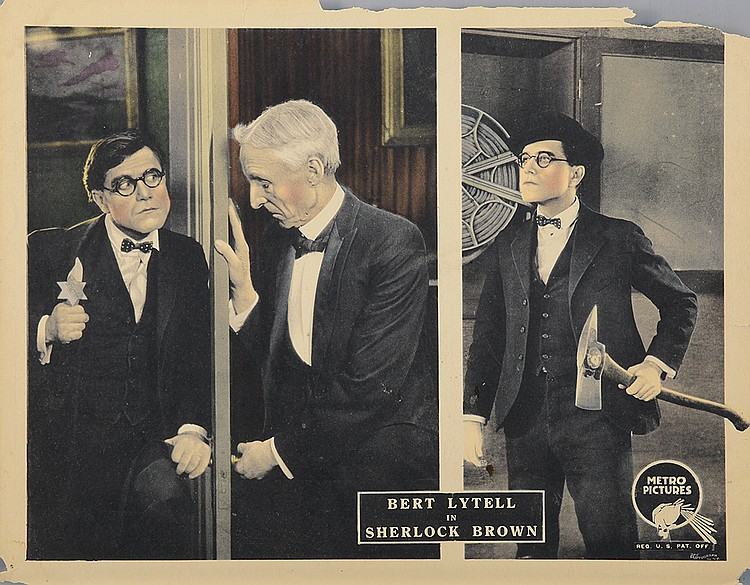
Director's Spotlight: United States
A Deep Dive into the 1922 Vision of Bayard Veiller
Deciphering the layers of Sherlock Brown (1922) reveals the complex thematic architecture established by Bayard Veiller. Utilizing a 1922-specific aesthetic that remains timeless, it stands as the definitive 1922 statement on Crime identity.
In Sherlock Brown, Bayard Veiller pushes the boundaries of conventional narrative. The film's unique approach to its subject matter has sparked endless debates and interpretations among cinephiles and critics alike.
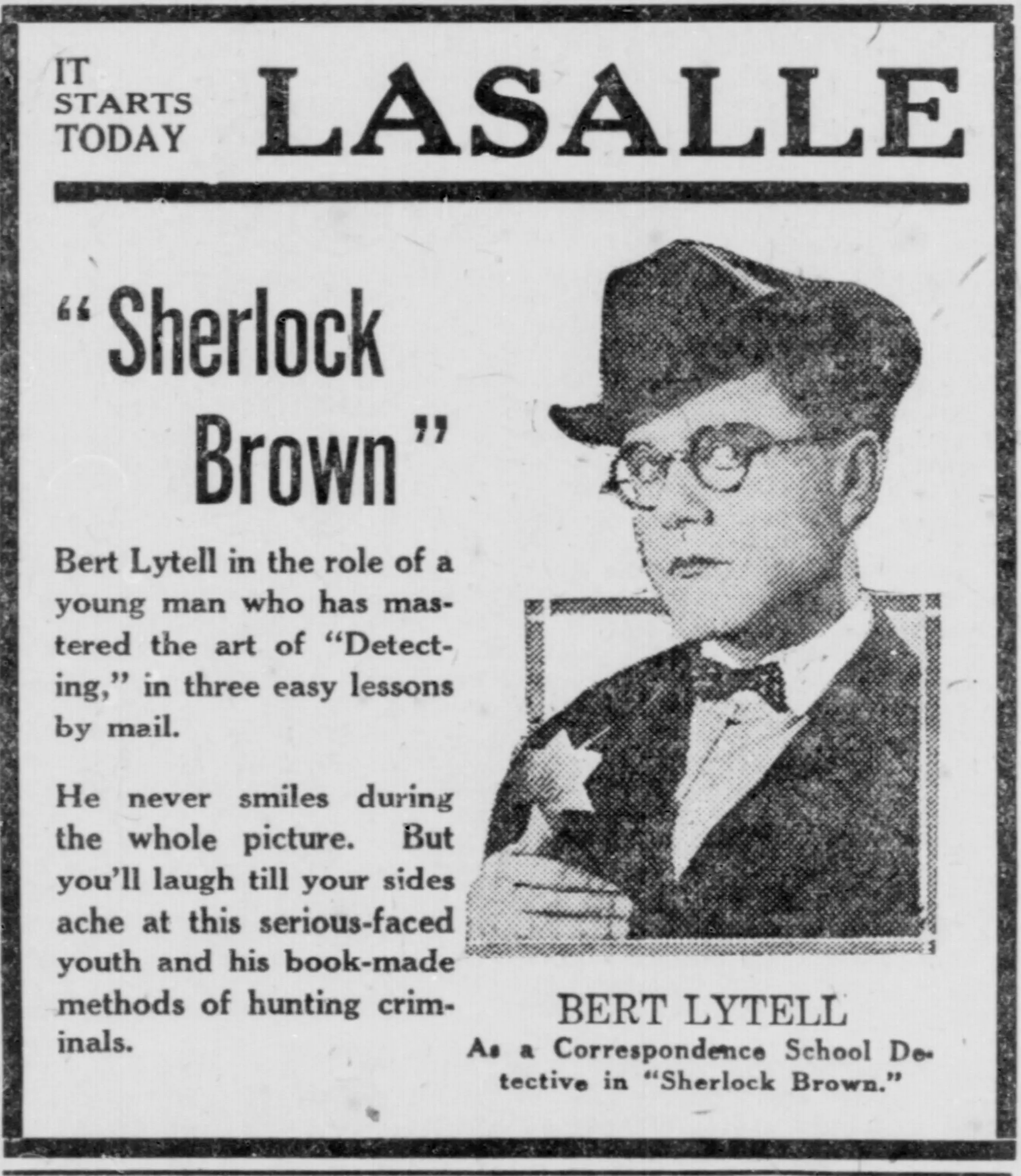
The visual language of Sherlock Brown is defined by its use of shadows and framing, a hallmark of Bayard Veiller's style. By utilizing a 1922-era palette, the film creates an immersive experience that perfectly complements its Crime themes.
| Cinematography | Static |
| Soundtrack | Minimalist |
| Editing | Disjunctive |
| Art Direction | Baroque |
Visualizing the convergence of Bayard Veiller's style and the core Crime narrative.
William Brown, who wants to become a detective, writes to an agency and receives for $5 a tin badge. At the same time, a secret government formula for explosives is stolen from Lieutenant Musgrave, to whom Brown promises his aid. Meanwhile, Musgrave is hospitalized in delirium and utters the name "Wallace" to his sister, Barbara, who discovers that Wallace has hidden the formula in a flowerpot and follows him to his apartment. There, during a struggle, a book on flying alerts Brown. He accidentally discovers the secret formula, and Barbara escapes with the paper but is sidetracked on her way to a government agent. Following numerous complications and a long chase, Sherlock Brown succeeds in tracking down the conspirators, regaining the formula, and winning the heart of Barbara.
Decades after its release, Sherlock Brown remains a vital piece of the cinematic puzzle. Its influence can be seen in countless modern works, solidifying Bayard Veiller's status as a master of the craft in United States and beyond.