
DbcultAccessing Vault...
Director's Spotlight
Senior Film Conservator
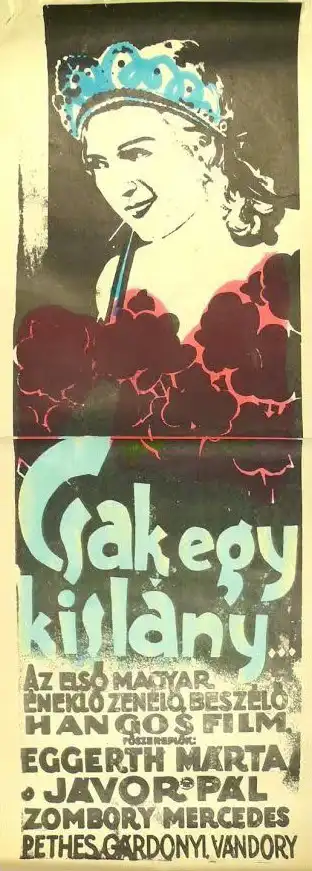
Director's Spotlight: Hungary
A Deep Dive into the 1930 Vision of Béla Gaál
To understand the modern evolution of Hungary film, one must first look at Csak egy kislány van a világon and the collaborative alchemy between Béla Gaál and the 1930 creative team. Subverting the expectations of the typical 1930 audience, it remains a vital reference point for anyone studying the evolution of Béla Gaál.
In Csak egy kislány van a világon, Béla Gaál pushes the boundaries of conventional narrative. The film's unique approach to its subject matter has sparked endless debates and interpretations among cinephiles and critics alike.
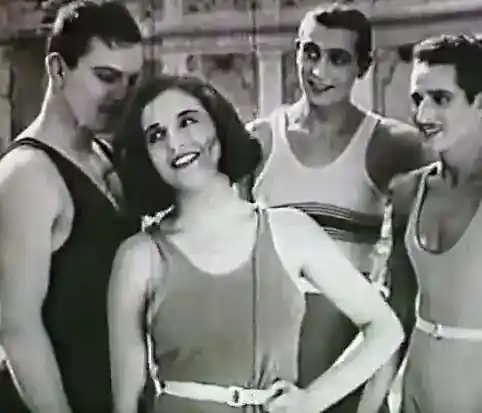
In this work, Béla Gaál explores the intersection of Drama and Hungary cultural identity. The meticulous attention to detail suggests a deep-seated commitment to pushing the boundaries of the medium, ensuring that Csak egy kislány van a világon remains a relevant topic of study for Drama enthusiasts.
| Cinematography | Noir-Inspired |
| Soundtrack | Diegetic |
| Editing | Elliptical |
| Art Direction | Expressionist |
Visualizing the convergence of Béla Gaál's style and the core Drama narrative.
Two war comrades return home to their country village. At the vine feast Katinka, unspoiled niece of one of them, gets engaged to the other, Gyorgy. Then he travels to the city and falls for a flirtatious rich girl, breaking Katinka's heart. He'll soon discover the truth. First (semisilent) Mártha Eggerth film.
Decades after its release, Csak egy kislány van a világon remains a vital piece of the cinematic puzzle. Its influence can be seen in countless modern works, solidifying Béla Gaál's status as a master of the craft in Hungary and beyond.