
DbcultAccessing Vault...
Director's Spotlight
Senior Film Conservator
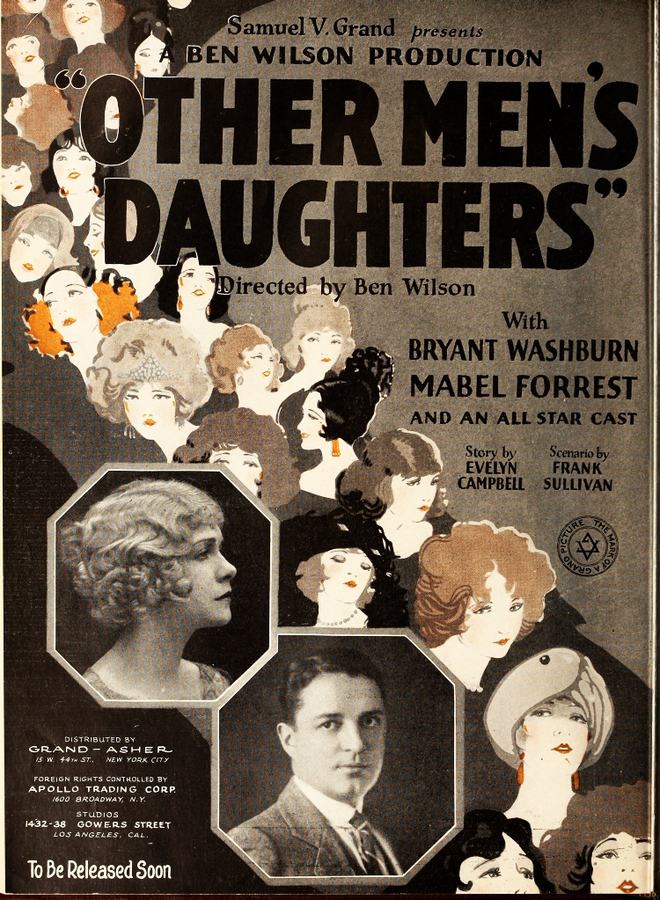
Director's Spotlight: United States
A Deep Dive into the 1923 Vision of Ben F. Wilson
Deciphering the layers of Other Men's Daughters (1923) reveals the complex thematic architecture established by Ben F. Wilson. Utilizing a 1923-specific aesthetic that remains timeless, it stands as the definitive 1923 statement on Drama identity.
In Other Men's Daughters, Ben F. Wilson pushes the boundaries of conventional narrative. The film's unique approach to its subject matter has sparked endless debates and interpretations among cinephiles and critics alike.
The visual language of Other Men's Daughters is defined by its use of shadows and framing, a hallmark of Ben F. Wilson's style. By utilizing a 1923-era palette, the film creates an immersive experience that perfectly complements its Drama themes.
| Cinematography | Static |
| Soundtrack | Diegetic |
| Editing | Rhythmic |
| Art Direction | Naturalist |
Visualizing the convergence of Ben F. Wilson's style and the core Drama narrative.
Dorothy Kane leaves home after being denounced by her father, a businessman, who is dictatorial with his family but very lavish to his female companions in the city. Dorothy unwittingly becomes involved with his nightclub friends, Lottie, Trixie, and Alaska. At a dinner party attended by elderly men and young girls, Dorothy meets her father and decides to decry him to Mrs. Kane, but later feels that it would bring much sorrow to her already neglected mother.
Decades after its release, Other Men's Daughters remains a vital piece of the cinematic puzzle. Its influence can be seen in countless modern works, solidifying Ben F. Wilson's status as a master of the craft in United States and beyond.