
DbcultAccessing Vault...
Director's Spotlight
Senior Film Conservator
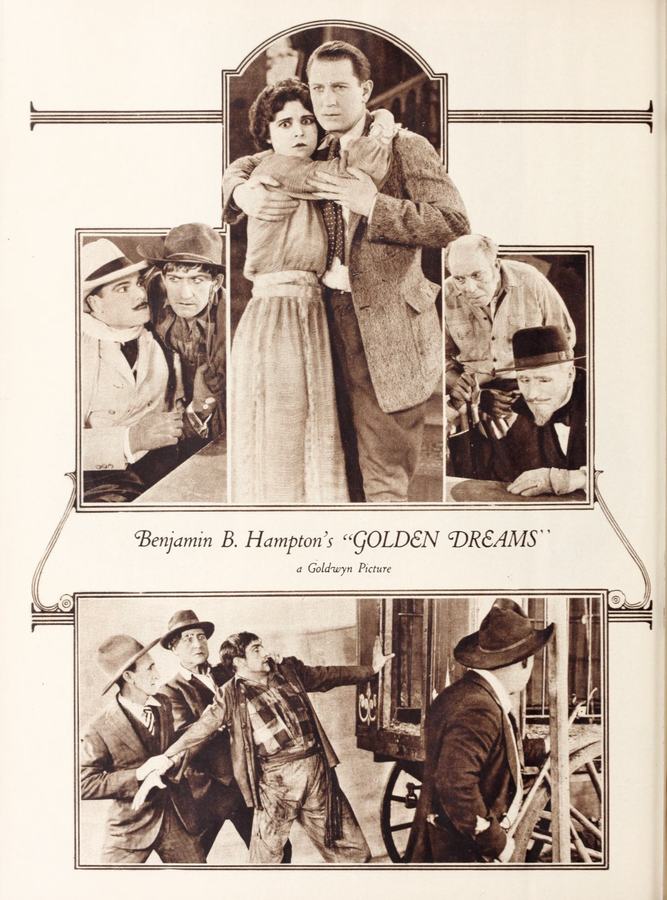
Director's Spotlight: United States
A Deep Dive into the 1922 Vision of Benjamin B. Hampton
The brilliance of Golden Dreams (1922) is inseparable from the visionary mind of its creator, Benjamin B. Hampton. Serving as a mirror to the anxieties of a changing world, it persists as a haunting reminder of our own cinematic history.
In Golden Dreams, Benjamin B. Hampton pushes the boundaries of conventional narrative. The film's unique approach to its subject matter has sparked endless debates and interpretations among cinephiles and critics alike.
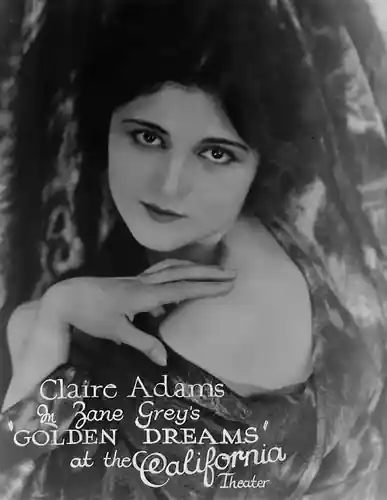
While deeply rooted in United States, Golden Dreams has achieved a global reach, influencing directors from various backgrounds. Its ability to translate Adventure tropes into a universal cinematic language is why it remains a cult staple decades after its 1922 release.
| Cinematography | Noir-Inspired |
| Soundtrack | Synth-Heavy |
| Editing | Disjunctive |
| Art Direction | Baroque |
Visualizing the convergence of Benjamin B. Hampton's style and the core Adventure narrative.
Oil is discovered on the Countess de Elberca's estate in a mythical Spanish American country. Mercedes McDonald, her niece, falls in love with Sandy Buchanan, a young Scotch engineer hired by the countess. Don Felipe, a neighbor in need of money to avoid arrest for embezzlement, conspires with his nephew, the Duke of Othomo, for the latter to wed Mercedes. The aunt approves the suit. Felipe and Othomo attempt to kill Mercedes' sweetheart, but Buchanan, with the aid of her brother and a traveling American circus, foils their plans. Felipe and Othomo are killed by the circus animals, and the aunt consents to Mercedes' marriage to Buchanan.
Decades after its release, Golden Dreams remains a vital piece of the cinematic puzzle. Its influence can be seen in countless modern works, solidifying Benjamin B. Hampton's status as a master of the craft in United States and beyond.