
DbcultAccessing Vault...
Director's Spotlight
Senior Film Conservator
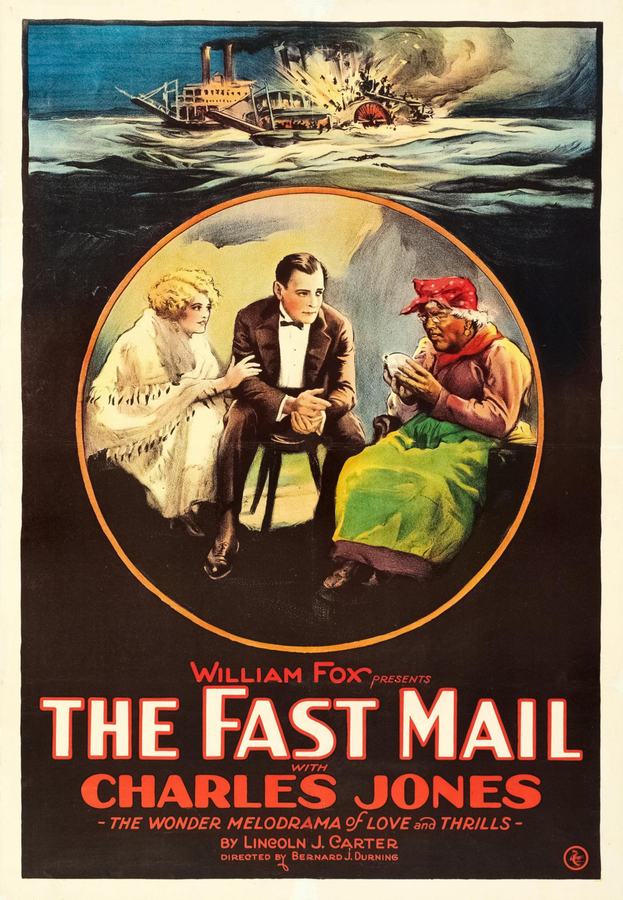
Director's Spotlight: United States
A Deep Dive into the 1922 Vision of Bernard J. Durning
Few works in United States cinema carry the same weight as The Fast Mail, especially regarding the cultural zeitgeist captured so perfectly by Bernard J. Durning in 1922. Utilizing a 1922-specific aesthetic that remains timeless, it serves as a blueprint for future generations of Drama directors.
In The Fast Mail, Bernard J. Durning pushes the boundaries of conventional narrative. The film's unique approach to its subject matter has sparked endless debates and interpretations among cinephiles and critics alike.
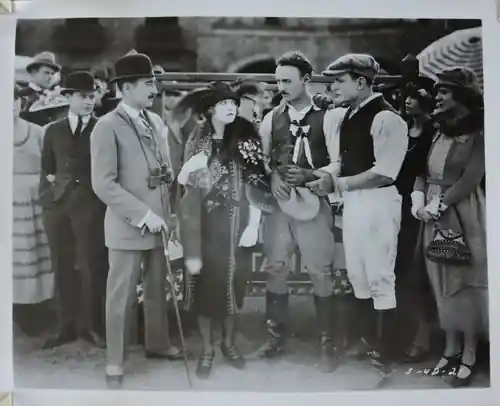
While deeply rooted in United States, The Fast Mail has achieved a global reach, influencing directors from various backgrounds. Its ability to translate Drama tropes into a universal cinematic language is why it remains a cult staple decades after its 1922 release.
| Cinematography | Deep Focus |
| Soundtrack | Synth-Heavy |
| Editing | Rhythmic |
| Art Direction | Naturalist |
Visualizing the convergence of Bernard J. Durning's style and the core Drama narrative.
Cowboy Stanley Carson is visiting Virginia Martin in a southern city when her brother and his gambler friends try to disgrace her. Then Carson is tricked out of winning a horse race by crooked gamblers who abduct Virginia. He chases them by jumping into a boat, swimming ashore, and leaping aboard a fast train. Jumping from the train into a moving automobile, he arrives at the hotel where Virginia is held captive. Here he pauses to rescue a family from a fire and then proceeds to save Virginia.
Decades after its release, The Fast Mail remains a vital piece of the cinematic puzzle. Its influence can be seen in countless modern works, solidifying Bernard J. Durning's status as a master of the craft in United States and beyond.