
DbcultAccessing Vault...
Director's Spotlight
Senior Film Conservator
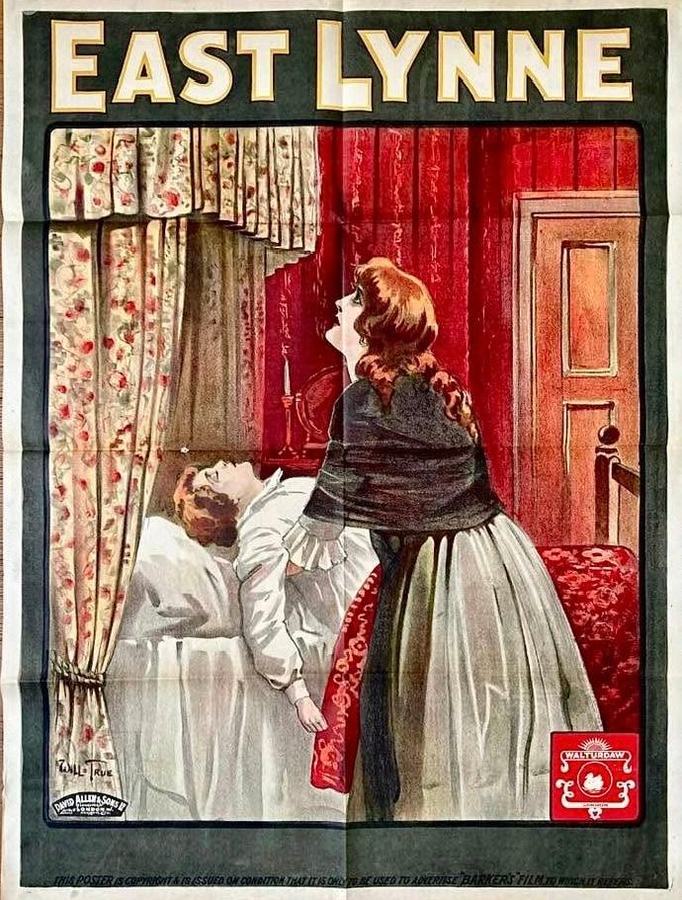
Director's Spotlight: United Kingdom
A Deep Dive into the 1913 Vision of Bert Haldane
Few works in United Kingdom cinema carry the same weight as East Lynne, especially regarding the cultural zeitgeist captured so perfectly by Bert Haldane in 1913. Utilizing a 1913-specific aesthetic that remains timeless, it serves as a blueprint for future generations of cult directors.
In East Lynne, Bert Haldane pushes the boundaries of conventional narrative. The film's unique approach to its subject matter has sparked endless debates and interpretations among cinephiles and critics alike.
The visual language of East Lynne is defined by its use of shadows and framing, a hallmark of Bert Haldane's style. By utilizing a 1913-era palette, the film creates an immersive experience that perfectly complements its cult themes.
| Cinematography | Noir-Inspired |
| Soundtrack | Synth-Heavy |
| Editing | Disjunctive |
| Art Direction | Baroque |
Visualizing the convergence of Bert Haldane's style and the core cult narrative.
An aristocratic woman, Lady Isabel, leaves her husband and children when she suspects him of adultery, a notion which had been suggested to her by the scheming and murderous Captain Levison. Life on the continent with Levison does not work out as she had envisaged so, eight years later, she returns to England and finds her husband has remarried. She cannot bear to be away from her family and so dons a disguise, gaining employment with them as a governess. When her young son, Willie, dies she is unable to comfort him as she would like, and she too dies.
Decades after its release, East Lynne remains a vital piece of the cinematic puzzle. Its influence can be seen in countless modern works, solidifying Bert Haldane's status as a master of the craft in United Kingdom and beyond.